Get your free personalized podcast brief
We scan new podcasts and send you the top 5 insights daily.
Of the 30+ million Americans with chronic kidney disease (CKD), most are unaware they have it. The greatest societal impact would come not from a new therapy, but from widespread screening and education, as existing drugs and lifestyle changes can help patients in the early stages before they need advanced care.

Related Insights
ProKidney's CEO observes that over a 10-year period, the only significant change he saw in dialysis clinics was the addition of flat-screen TVs. This starkly illustrates the profound lack of clinical and technological innovation in a massive, life-sustaining industry, highlighting a huge opportunity for disruption.
The medical community is slow to adopt advanced preventative tools like genomic sequencing. Change will not come from the top down. Instead, educated and savvy patients demanding these tests from their doctors will be the primary drivers of the necessary revolution in personalized healthcare.

While fee-for-service models incentivize in-clinic treatments, value-based care shifts the focus to outcomes and overall cost. Under these new models, home dialysis—which offers better patient outcomes and lower societal costs—becomes more profitable for providers, creating a powerful financial incentive to drive adoption.
General Catalyst's CEO highlights a core flaw in healthcare: insurance providers don't reimburse for longevity or preventative care because customers frequently switch plans, preventing insurers from capturing long-term ROI. The first company to solve this misalignment and make longevity "financeable" will unlock a massive market.

The tech world is fixated on trivial AI uses while monumental breakthroughs in healthcare go underappreciated. Innovations like CRISPR and GLP-1s can solve systemic problems like chronic disease and rising healthcare costs, offering far greater societal ROI and impact on longevity than current AI chatbots.
ProKidney's significant funding from co-founder Pablo Legorreta and investor Carlos Slim was driven by their direct family experiences with kidney disease. This shows that for high-risk, long-term biotech ventures, a deep personal connection to the mission can be a more powerful motivator for investors than purely financial interest.
Many chronic illnesses, including high blood pressure, cancer, and cognitive decline, are not separate issues but symptoms of a single underlying problem: chronically elevated insulin levels. This metabolic “trash” accumulates over years, making the body a breeding ground for disease.

The Orphan Drug Act successfully incentivized R&D for rare diseases. A similar policy framework is needed for common, age-related diseases. Despite their massive potential markets, these indications suffer from extremely high failure rates and costs. A new incentive structure could de-risk development and align commercial goals with the enormous societal need for longevity.

Chronic illnesses like cancer, heart disease, and Alzheimer's typically develop over two decades before symptoms appear. This long "runway" is a massive, underutilized opportunity to identify high-risk individuals and intervene, yet medicine typically focuses on treatment only after a disease is established.
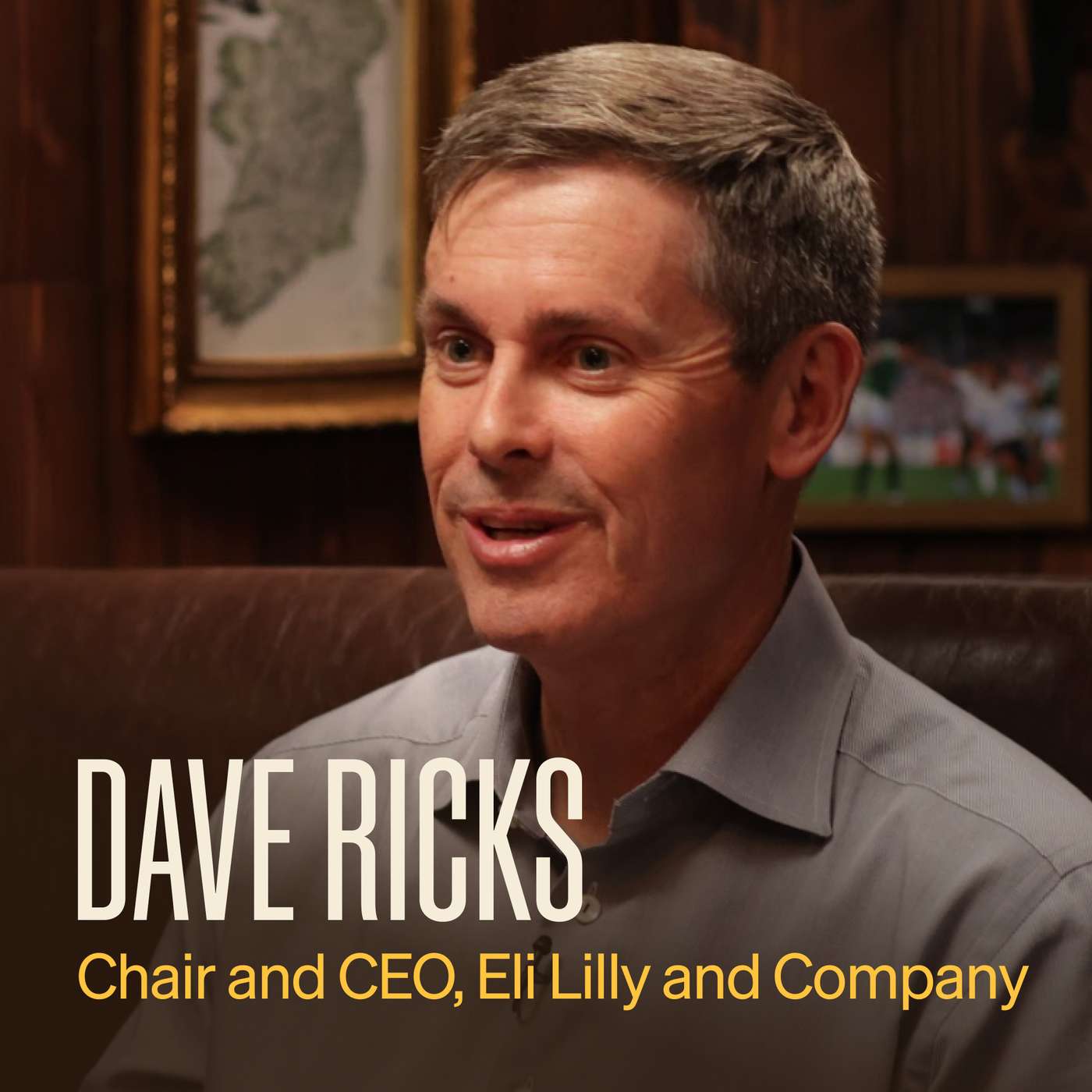
A key part of Eli Lilly's R&D strategy is tackling large-scale health problems that currently have no treatments and therefore represent a 'zero-dollar market.' This blue-ocean strategy contrasts with competitors who focus on areas with established payment pathways.