Get your free personalized podcast brief
We scan new podcasts and send you the top 5 insights daily.
The key to Rob Sobers' 15-year tenure wasn't just expertise, but a hunger to learn disciplines that didn't come naturally, like global field marketing and PR. This continuous on-the-job learning kept the role engaging and fueled his long-term success.

Related Insights
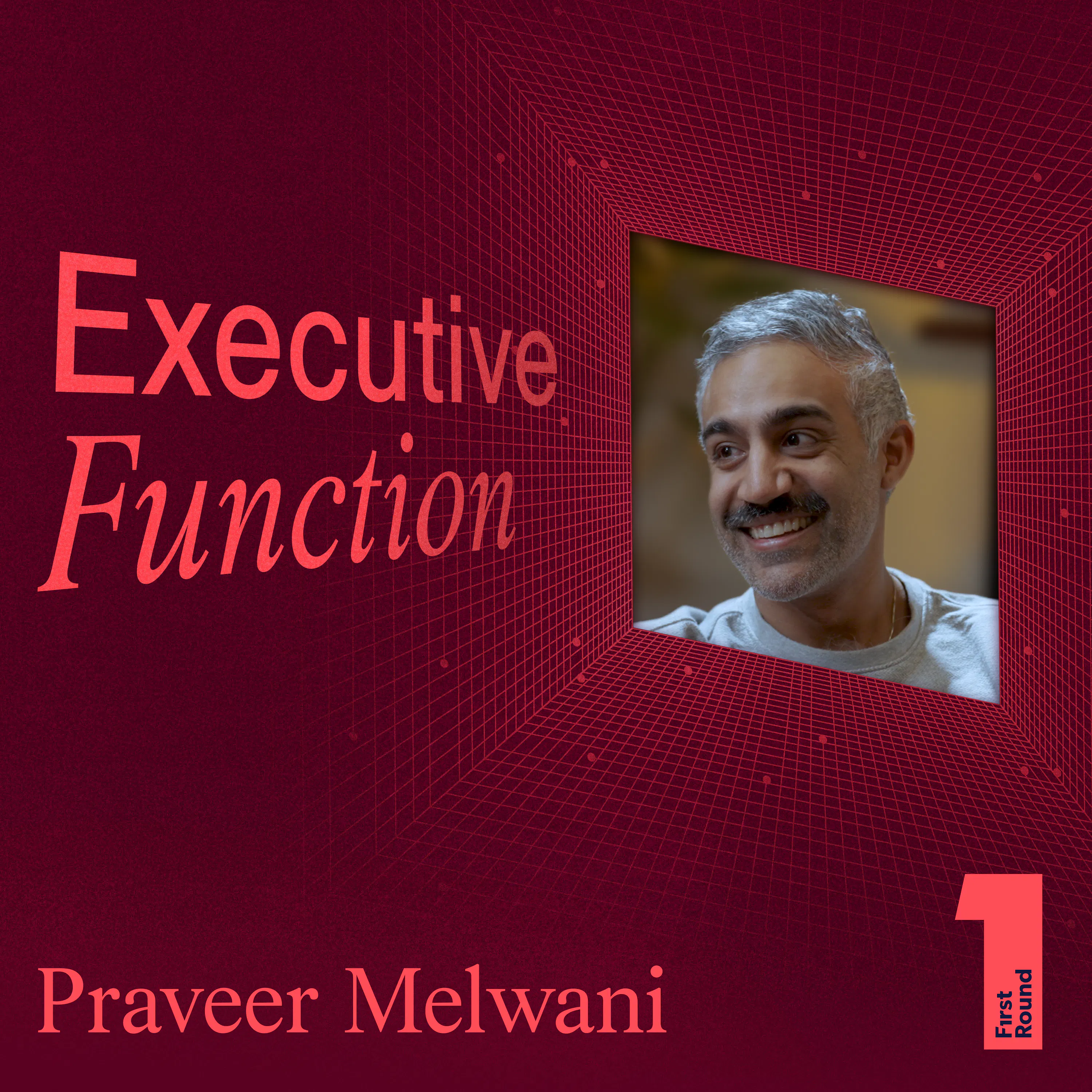
When Figma's COO left, CFO Praveer Melwani viewed the operational void not as a crisis, but as a chance to learn. He volunteered for unfamiliar functions like legal and sales ops, accelerating his development by hiring experts and managing areas beyond his experience.
Superhuman's CTO credits a non-tech role managing submarine maintenance with teaching him to lead without technical legitimacy. By being forced to put his ego aside and drive change by asking fundamental questions, he learned to influence people far smarter in their domain.

Adobe's CMO advocates for a "jungle gym" career path, not a ladder. She personally accepted roles with lower titles to acquire necessary experience in emerging areas. This strategy of prioritizing skill acquisition over linear progression is crucial for long-term executive growth in a rapidly changing field like marketing.

Staying current is a core leadership responsibility, not an afterthought. Wrike's CMO treats external learning—reading articles, listening to podcasts, attending events—as a scheduled, non-negotiable part of her job. She blocks her calendar weeks in advance to ensure this strategic time isn't consumed by daily tasks.

The leap from a hands-on marketing leader to a C-level executive is less about tactical skills and more about personal growth. It demands a shift from execution ('doing the work') to leadership ('inspiring people'), which requires self-awareness, authenticity, and dropping 'professional walls' to build genuine connections.

When starting a senior role at a complex company, a new leader should formally contract a 'learning agenda' as part of their onboarding. Prioritize a listening tour focused on frontline operations and culture, rather than headquarters, to understand the business before implementing changes.
HubSpot's CMO developed brand marketing expertise not by reading, but by scheduling a dense series of conversations with top brand leaders. This "field trip" approach condenses years of learning into days, fundamentally changing one's understanding of a topic much faster than traditional methods.
Countering the job-hopping narrative, Rachel Andrews explains her 15 years at Cvent felt like different jobs. Because the team, company, and goals constantly evolved, she continuously expanded her role without leaving, proving that long-term commitment at a dynamic company can be a powerful vehicle for diverse professional growth.

To keep pace with the rapid evolution of e-commerce and fintech, Sean Summers dedicates two hours every single night to reading and learning. This rigorous, fourteen-year habit underscores that continuous learning is an active, disciplined requirement for leadership in a fast-moving space.

To foster a culture of lifelong learning, SAS's CMO implemented "My Focus Friday" for upskilling. Crucially, she led by example, transparently sharing her own learning goals with her team—like needing to get "into the weeds" on AI search. This vulnerability makes it safe for others to admit gaps and prioritize learning.