Get your free personalized podcast brief
We scan new podcasts and send you the top 5 insights daily.
For students with conditions like dyslexia, AI tools act as personalized assistants that help structure thoughts or break down complex problems. This support, often missing in traditional classrooms, can dramatically boost confidence and academic performance where standardized systems fail.
Related Insights
People focus on what AI can do *for* them, but a greater opportunity is what AI can teach them. For the first time, everyone has access to a patient, expert tutor. Professionals should spend their spare time asking an AI to train them in new domains, from coding to product management.

The most transformative application of AI could be in education, by making one-on-one tutoring universally accessible. This method, known as Bloom's 2 sigma effect, is proven to be incredibly effective but has been historically impossible to scale due to human limitations. AI can finally deliver this for every student.

New features in Google's Notebook LM, like generating quizzes and open-ended questions from user notes, represent a significant evolution for AI in education. Instead of just providing answers, the tool is designed to teach the problem-solving process itself. This fosters deeper understanding, a critical capability that many educational institutions are overlooking.
The next evolution in AI-driven education isn't just personalizing pace, but reframing entire subjects through a student's unique passions. For example, an AI could teach physics principles using football analogies for a sports-loving child, making abstract concepts more relatable and memorable than a one-size-fits-all curriculum.

Historically, one-on-one tutoring—proven to boost student outcomes by two standard deviations (the "Bloom Two Sigma effect")—was reserved for the elite. AI now makes this highly effective, personalized educational model scalable and accessible to all.

An AI education system deployed to millions of students will continuously analyze patterns in their learning. Insights from a student in one country will instantly update the teaching algorithm for another, creating a massively scalable, personalized, and ever-improving educational model.

The engaging nature of AI chatbots stems from a design that constantly praises users and provides answers, creating a positive feedback loop. This increases motivation but presents a pedagogical problem: the system builds confidence and curiosity while potentially delivering factually incorrect information.
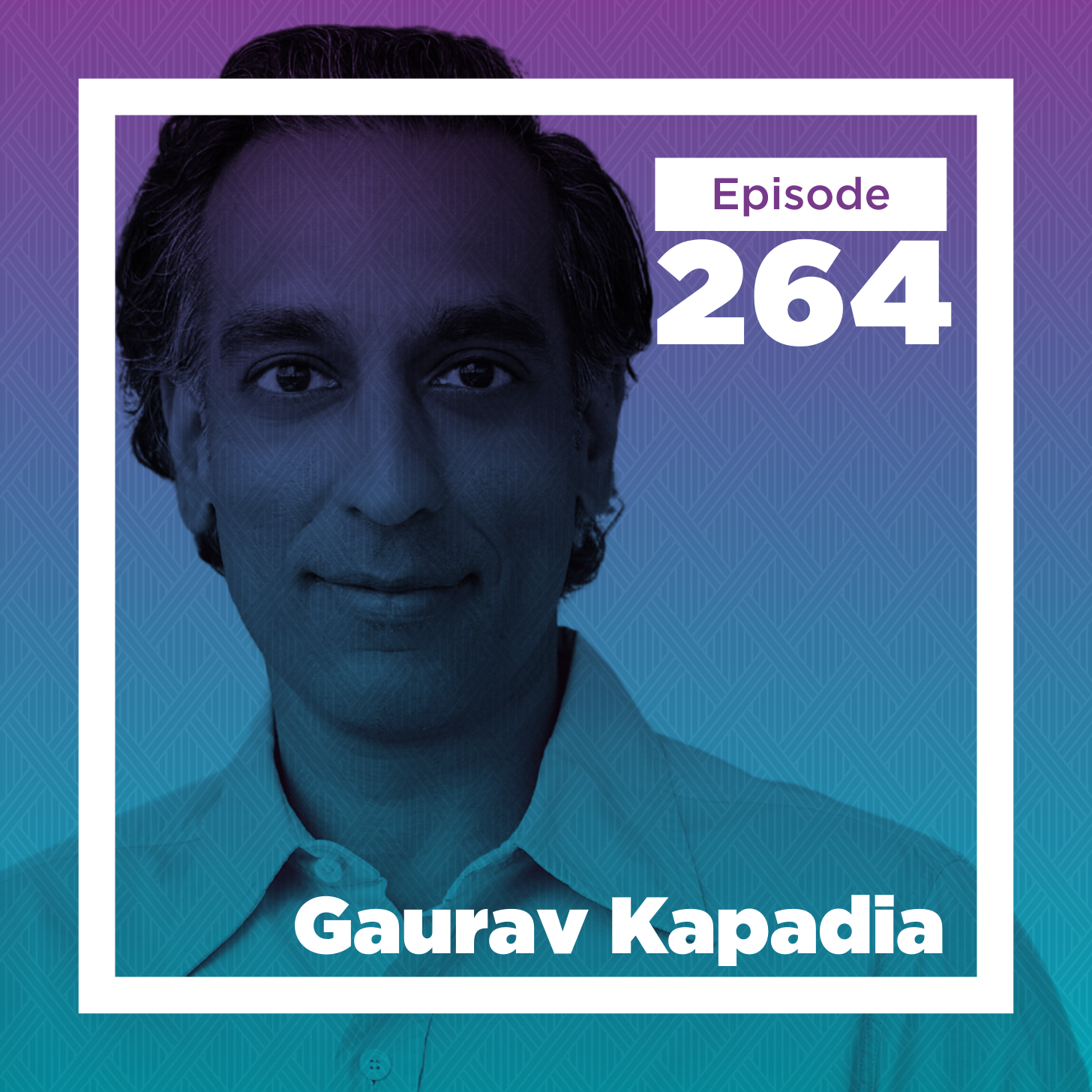
Investor Gaurav Kapadia uses AI as a knowledge augmenter to go deep on new subjects. Where he once hired university master's students to create custom curricula on topics like art history or Shakespeare, he now uses AI as his 'first port of call' for in-depth, personalized learning.
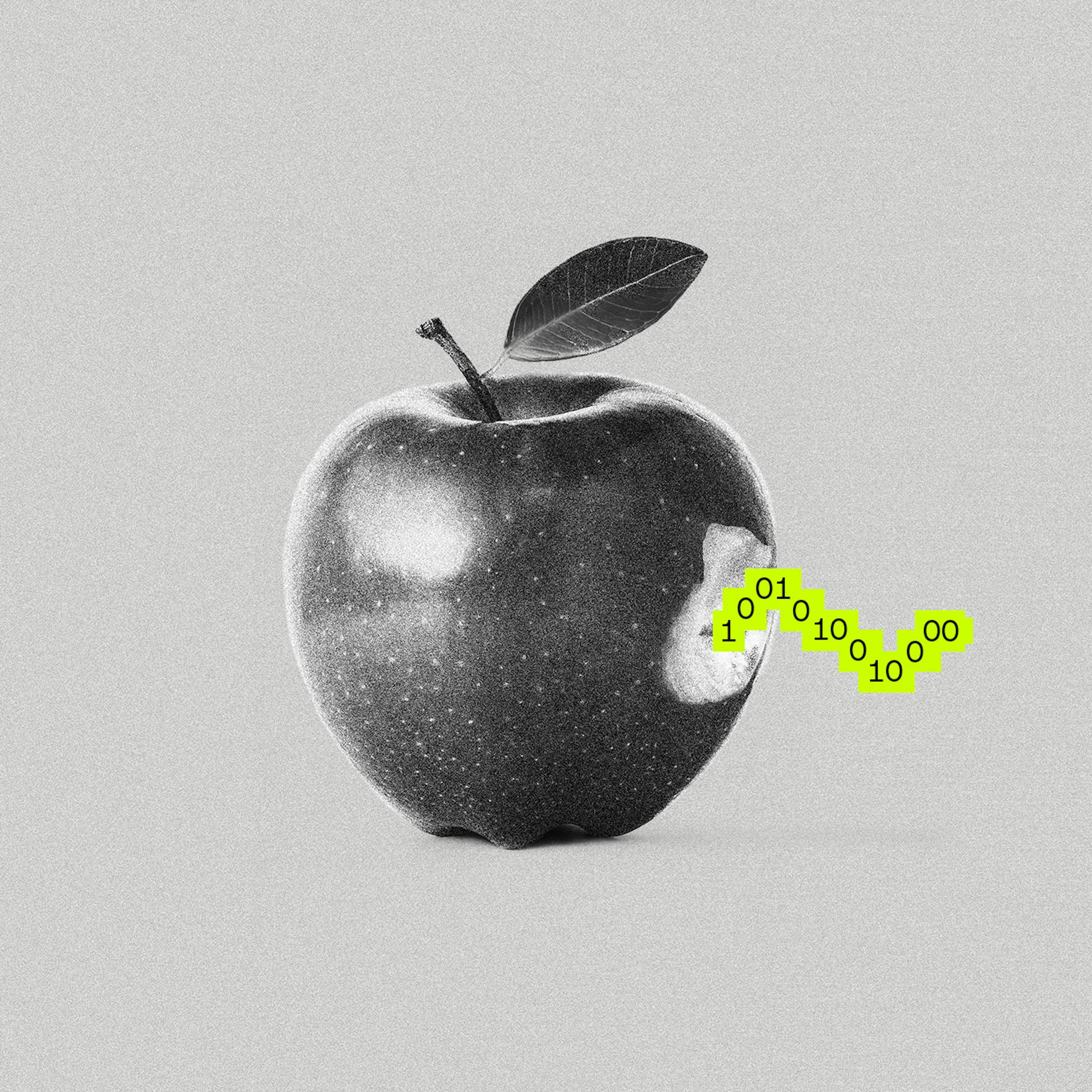
Instead of allowing AI to atrophy critical thinking by providing instant answers, leverage its "guided learning" capabilities. These features teach the process of solving a problem rather than just giving the solution, turning AI into a Socratic mentor that can accelerate learning and problem-solving abilities.
Unlike human teachers who can "read the room" and adjust their methods, current AI tools are passive. A truly effective AI tutor needs agentic capabilities to reassess its teaching strategy based on implicit user behavior, like a long pause, without needing explicit instructions from the learner.
