Get your free personalized podcast brief
We scan new podcasts and send you the top 5 insights daily.
In clinical practice, the choice between competing post-neoadjuvant antibody-drug conjugate (ADC) trials is often driven by the practical reality of which study is open and geographically accessible, rather than a clear biological signal suggesting one ADC is superior.

Related Insights
In the TROPION-Breast02 trial, a survival benefit for Dato-DXD was seen mainly in regions without later-line access to TROP2 ADCs. Western patients often received an ADC second-line, muting the first-line survival difference and showing how post-progression therapy access can confound trial results.

In the ASCENT-07 trial, investigators may have prematurely switched patients from the standard chemotherapy arm to superior, commercially available ADCs at the first hint of progression. This real-world practice can mask an experimental drug's true benefit on progression-free survival.

An overall survival (OS) benefit in an adjuvant trial may not be meaningful for patients in systems (e.g., the U.S.) with guaranteed access to the same effective immunotherapy upon recurrence. The crucial, unanswered question is whether treating micrometastatic disease is inherently superior to treating macroscopic disease later, a distinction current trial data doesn't clarify.

Clinicians face a strategic dilemma where using an ADC off-label for a patient with a low-expressing biomarker (e.g., TDXD for HER2 1+) could provide benefit but also render that patient ineligible for a future clinical trial of a potentially more effective ADC. This highlights a tension between immediate access and optimizing long-term treatment sequencing.

When efficacy and safety profiles are comparable between ADCs like sacituzumab and datopotamab, the final choice can be guided by patient logistics. Factors include infusion frequency (Day 1 & 8 vs. every 3 weeks) and total time spent at the infusion center.
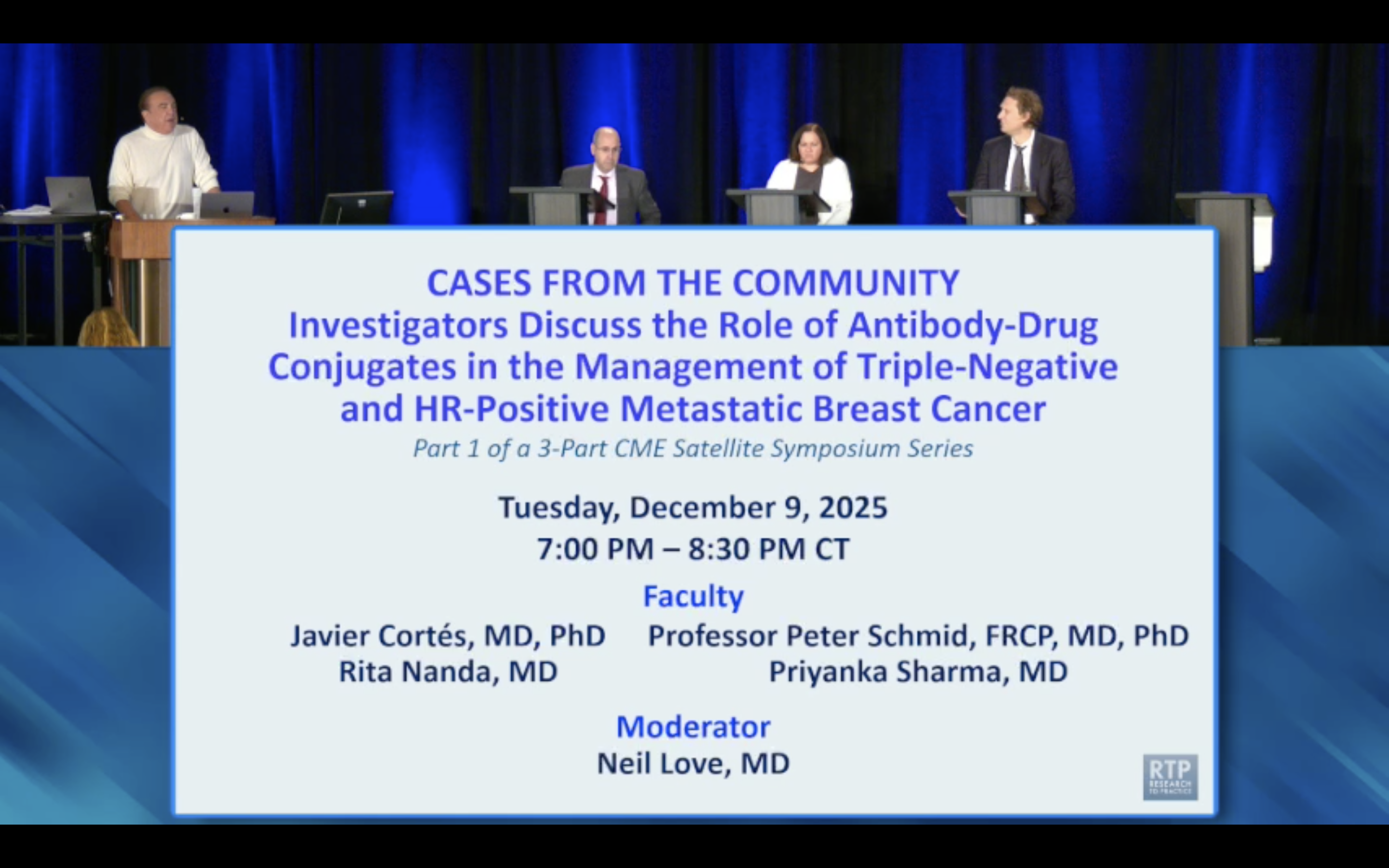
Emerging data shows that a second ADC, particularly one with the same payload, often has limited efficacy. This suggests clinicians must be highly strategic in selecting the first ADC, as it may be their most impactful opportunity for this class of drugs.
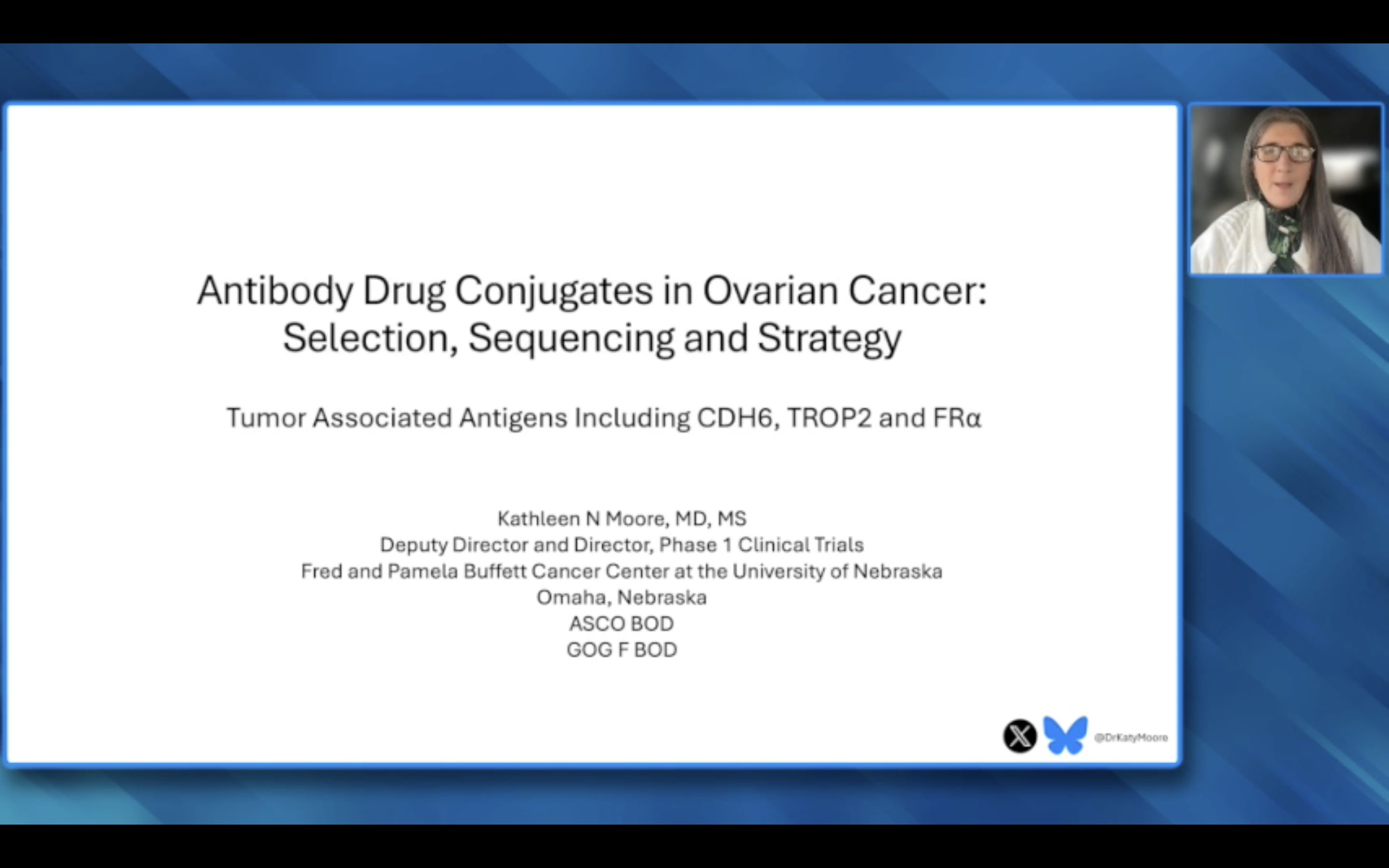
As multiple effective Antibody-Drug Conjugates (ADCs) become available, the primary clinical challenge is no longer *if* they work, but *how* to use them best. Key unanswered questions involve optimal sequencing, dosing for treatment versus maintenance, and overall length of therapy, mirroring issues already seen in breast cancer.
Experts believe the stark difference in complete response rates (5% vs 30%) between two major ADC trials is likely due to "noise"—variations in patient populations (e.g., more upper tract disease) and stricter central review criteria, rather than a fundamental difference in the therapies' effectiveness.
The patient population in a global trial like DESTINY-Breast09 may not reflect typical Western practice. A significant portion of participants had no prior access to drugs like pertuzumab or T-DM1, making the trial their only path to advanced therapy. This context is crucial for interpreting results and generalizability.

Testing antibody-drug conjugate (ADC) and immunotherapy combinations in the neoadjuvant setting is strategically superior because an intact tumor's antigen load enhances T-cell priming and immunotherapy efficacy, an advantage lost in the post-surgery adjuvant setting.