Get your free personalized podcast brief
We scan new podcasts and send you the top 5 insights daily.
The success of Hormozi's book launch wasn't just from a temporary event team; it was supported by the pre-existing, intense culture of his operating business. This foundation of trust and competitive drive couldn't be manufactured on short notice for a one-off project.

Related Insights
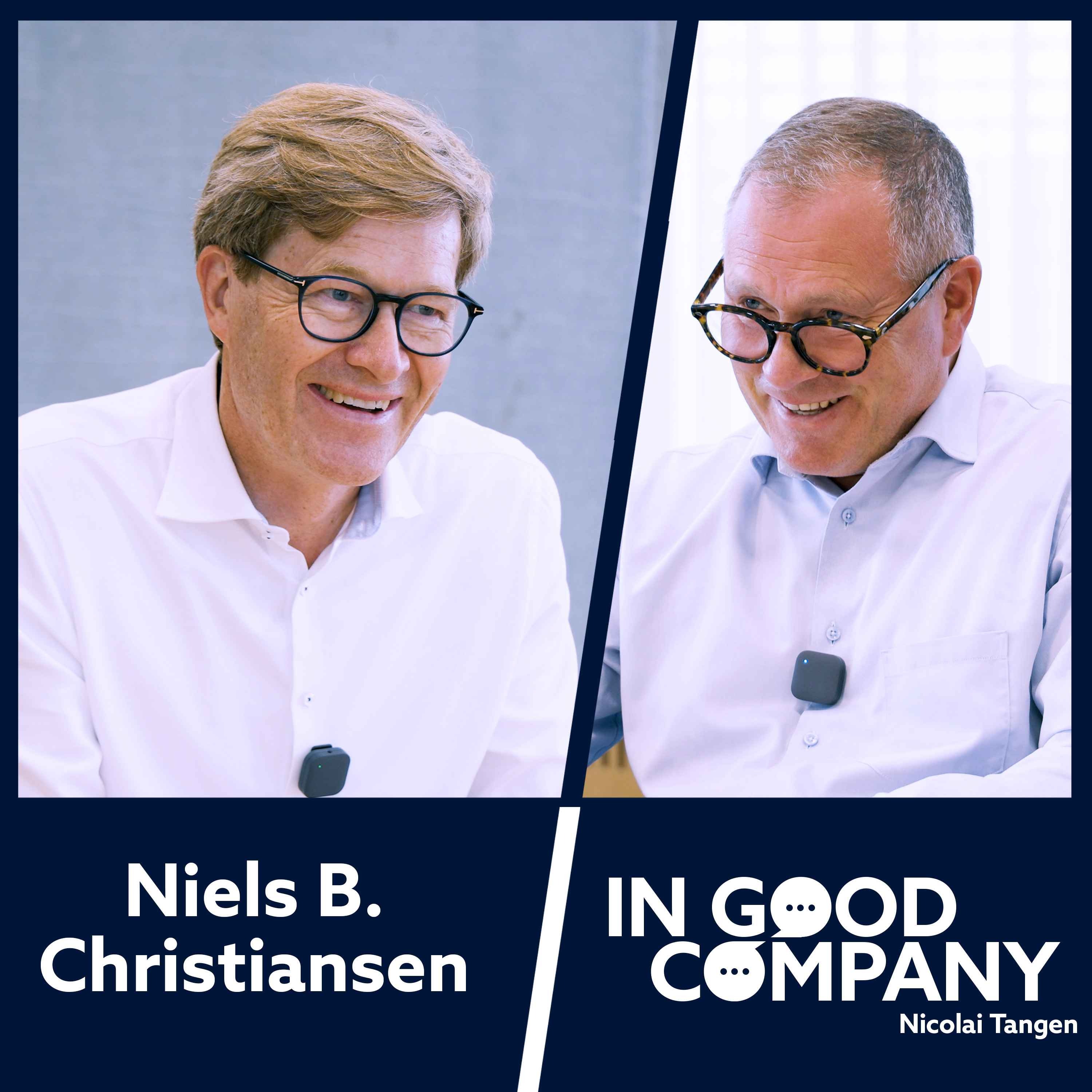
LEGO's CEO notes that absorbing new hires into the culture at its established HQ is easy due to the high density of tenured "culture carriers." The real challenge is scaling culture in new, specialized hubs, which requires a much more deliberate effort because that organic cultural osmosis is absent.
The shift to a product-led culture wasn't a formal launch. The CEO began by stating "we are product-led" aspirationally, then relentlessly reinforced this message in every meeting and report. This constant repetition, backed by operational changes, gradually and organically transformed the company's identity and behavior.

While motivational speeches and office amenities are often cited as culture-builders, the most effective way to create a positive and engaged company culture is simply to win. Success itself is the ultimate motivator, making everyone excited to contribute and perform at their best.
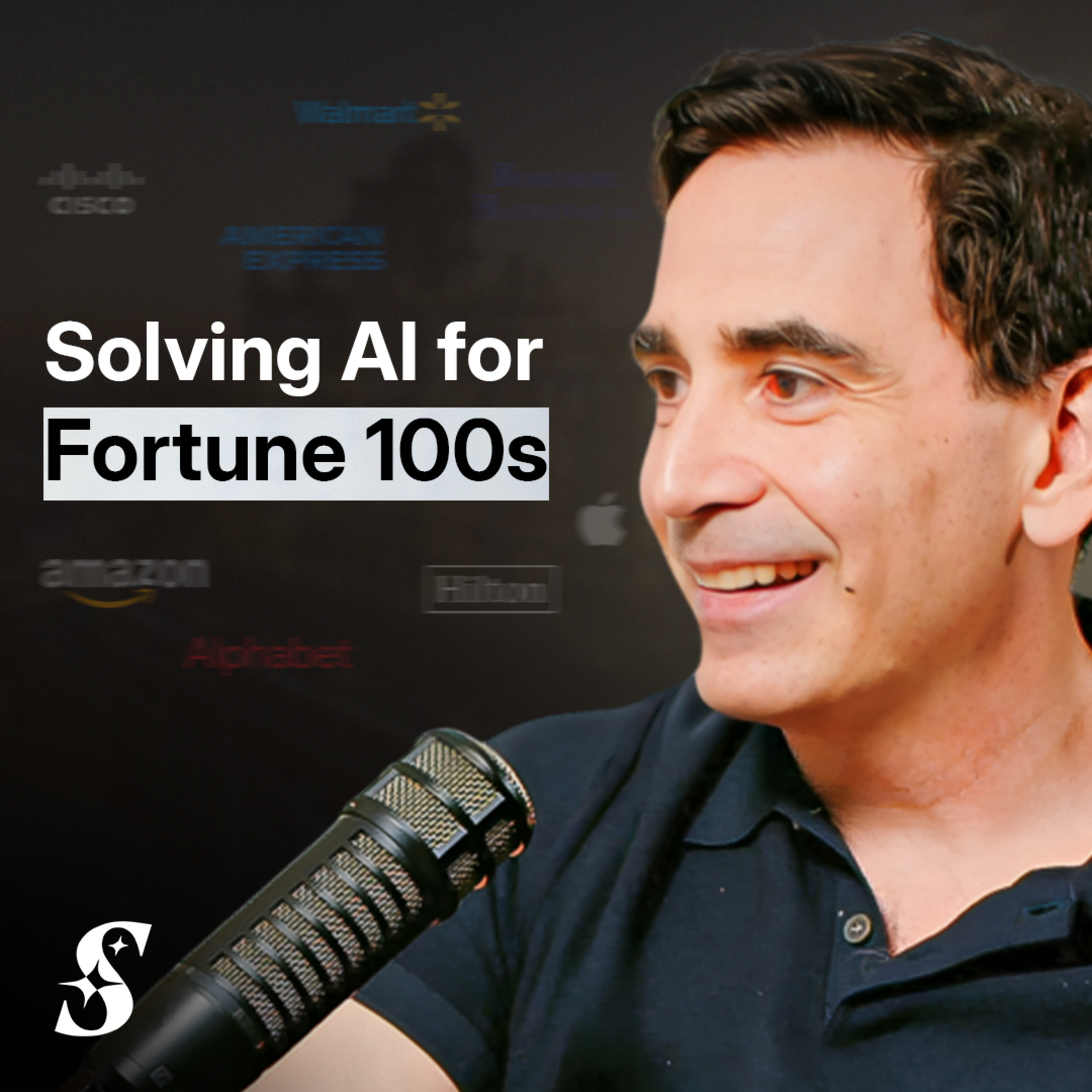
Alex Hormozi validates the concepts in his books by using the launch itself as the ultimate case study. For "$100M Money Models," the launch was engineered to be a profitable, self-funding machine, demonstrating the book's core principles in real-time and building immense credibility.
Culture is a strategic tool, not just a set of values. It must be designed to reinforce your specific competitive moat. Amazon’s frugal culture supports its low-price leadership, while Apple's design-obsessed culture supports its premium brand.

Instead of ad-hoc campaigns, Qualified's marketing team organizes its rhythm around monthly and quarterly product launches. This cadence aligns the entire company, creates a constant "why now" for sales, and ensures the corporate narrative continually evolves.

Great leaders don't wait for a lucky break ('spark') to create momentum. They proactively build the foundation for it by fostering a collaborative culture, recruiting team-oriented talent, and preparing mentally to recognize and seize opportunities that others might miss.

Committing to a major trade show a year in advance created a high-stakes deadline. This financial and reputational risk forced the team to professionalize, develop new products, and create a marketing plan around the event. The event wasn't just a sales channel; it was a catalyst for focused growth.

Hormozi's team didn't just plan for success; they systematically identified every potential point of failure ("choke points") from ad platforms to payment processors. By asking "how would we fail?" and creating contingencies for each scenario, they proactively managed risk for a complex, high-stakes event.
A strong culture isn't defined by perks during good times; it's proven by how the team operates during crises. Companies that face significant struggles early in their journey often develop a more resilient and authentic culture, which becomes a crucial asset for long-term survival and success.