Get your free personalized podcast brief
We scan new podcasts and send you the top 5 insights daily.
Even with strong scientific data, biotech companies struggle for funding because investor capital chases short-term fads like AI. The belief that "good science will attract money" is a utopian myth; leaders must actively navigate fickle market psychology to survive and raise capital.
Related Insights
Investor sentiment has fundamentally changed. During the COVID era, investors funded good ideas. Now, they want to de-risk their investments as much as possible, often requiring solid Phase 1 and even compelling Phase 2 data before committing significant capital.

The market correctly sees biology's potential but often misunderstands its timeline. Even with AI, biology is fundamentally harder and slower than software. Daniel Fero warns this mismatch in "tempo" expectations leads to over-funding hype cycles while under-funding foundational companies that are simply moving at the pace required for rigorous biological R&D.

David Solomon's career from academia to VC to CEO highlights a key formula for biotech leadership: combining a disciplined, scientific approach with savvy corporate finance to effectively translate good science into innovative medicines for patients.
A biotech CEO's reputation hinges on daily stock fluctuations, a dynamic the guest calls "the dog is wagging the tail." Hard work on a down day is perceived as failure, while idleness on an up day is seen as genius, making public market sentiment a poor judge of actual progress.
While scientifically exciting, pioneering a new biological pathway makes investors more conservative, as there is no proven path to follow. K-36's CEO notes this paradox: it requires more effort to educate investors and define a new space compared to a 'fast-follower' company with a clearer, pre-validated market.

Scientific founders must shift from detailing R&D progress to telling a compelling story. Investors are less moved by specific experimental results and more by the vision of a platform technology at the cusp of major trends (like SynBio and AI) that can generate a continuous pipeline of future therapies.

Beyond scientific knowledge, the most effective biotech CEOs possess a specific set of traits. They must be decisive, maintain ruthless capital discipline (even for small amounts), and consistently demonstrate strategic clarity, especially when facing the immense pressure inherent in the industry.

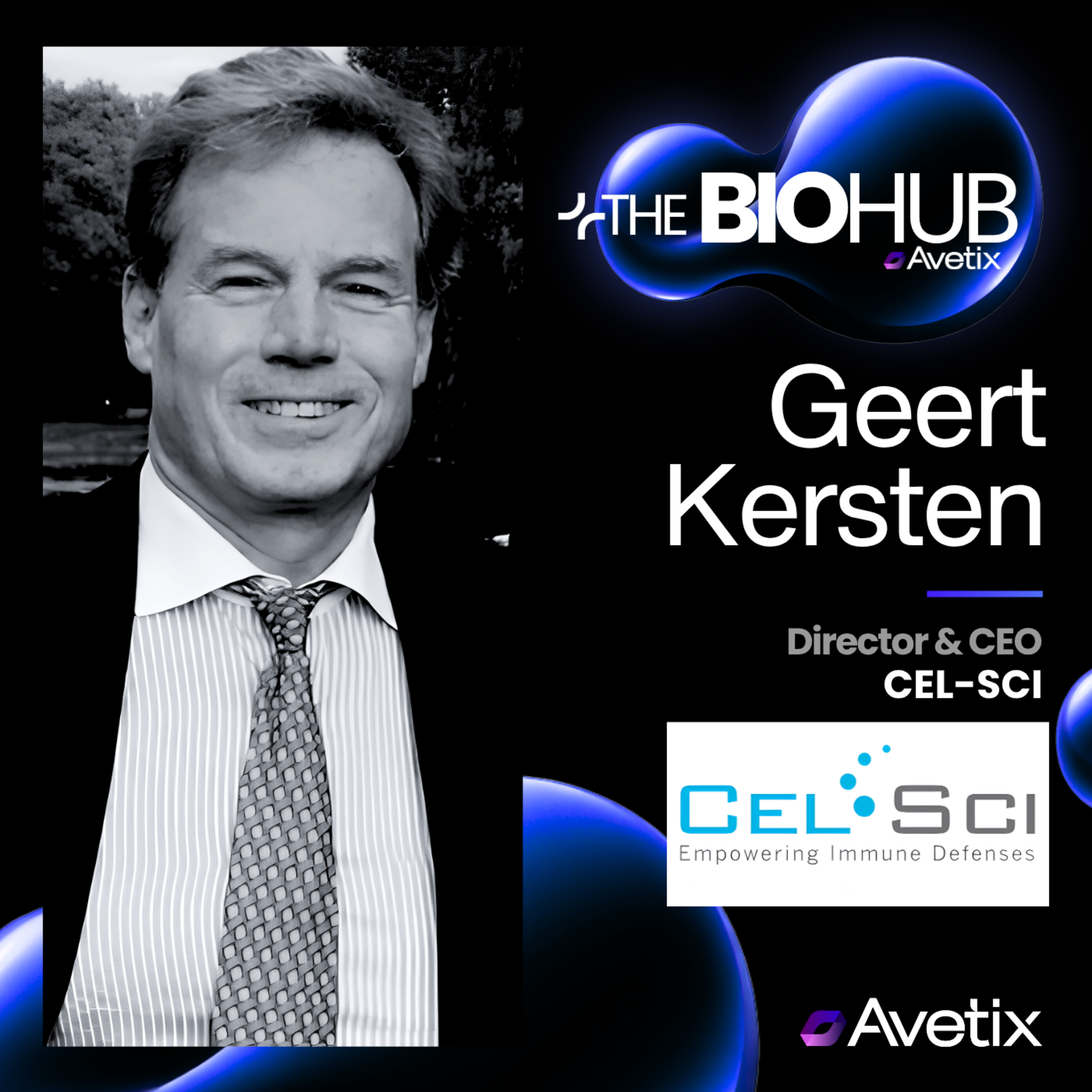
CellSci CEO Gerd Kirsten, a lawyer and financier, argues his primary function is protecting the company from market manipulation. He contends that his law and finance background has been more critical for survival than scientific expertise, which is useless without funding.
Market dynamics, like investor fixation on AI or predatory short-selling, pose a greater risk to biotech firms than clinical trial results. A company can have a breakthrough drug but still fail if its stock—its funding currency—is ignored or attacked by Wall Street.
Luba Greenwood argues that unlike in tech, many biotech CEOs lack P&L experience. In today's cash-constrained market, CEOs need to be able to build financial models and understand finance deeply to be effective, a skill she personally developed after transitioning from law and science.