Get your free personalized podcast brief
We scan new podcasts and send you the top 5 insights daily.
Moving beyond reactive Net Promoter Scores, Airshare implemented a proactive "Customer Health Assessment." This system scores each customer on seven criteria, including flight frequency and relationship strength. This provides an early warning system to identify at-risk accounts before they become dissatisfied.

Related Insights
Instead of reacting with louder marketing messages, AI systems proactively identify early behavioral warning signs of disengagement. This allows for timely, relevant interventions at moments that truly matter, fundamentally shifting retention strategy from messaging to behavior.
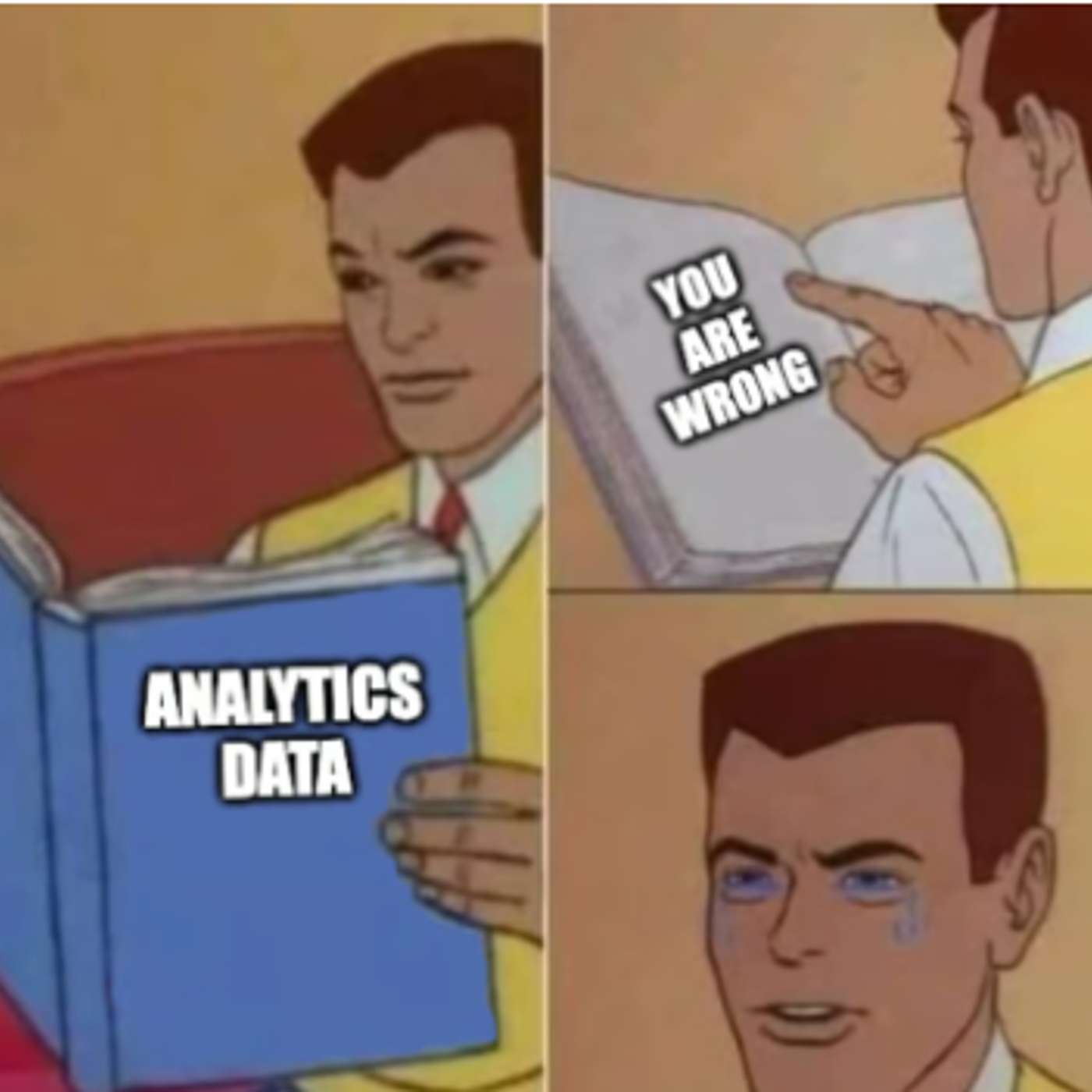
Customer churn is often a slow process of cumulative small dissatisfactions, not a single major event. AI can analyze call recordings and communications to detect these subtle, negative patterns over time, providing an early warning system that CSMs, who focus on immediate issues, often miss.

Marketers often neglect customers after the first year, only re-engaging at renewal. This destroys relationships. Actively segment and reward customers based on longevity (e.g., 3+ years) with special communications, recognizing that retaining a customer for 10 years is harder than acquiring 10 new ones.

SaaStr's AI customer success agent flagged sponsors at risk of non-renewal by identifying those who complained frequently or never engaged with the portal. These are objective digital signals that a human CSM might ignore, downplay, or miss entirely amidst other responsibilities.

Instead of waiting for customers to churn, use AI to monitor key engagement metrics in real time (e.g., portal logins, link clicks). When a user shows signs of disengagement, trigger a personalized, automated nudge via SMS or email to get them back on track before they are lost.

Reacting to churn is a losing battle. The secret is to identify the characteristics of your best customers—those who stay and are happy to pay. Then, channel all marketing and sales resources into acquiring more customers that fit this 'stayer' profile, effectively designing churn out of your funnel.

An LLM analyzes sales call transcripts to generate a 1-10 sentiment score. This score, when benchmarked against historical data, became a highly predictive leading indicator for both customer churn and potential upsells. It replaces subjective rep feedback with a consistent, data-driven early warning system.
Many companies neglect existing customers until their renewal is due, which damages the relationship. Proactively segment and reward customers based on their tenure (e.g., those with you for 3-5+ years). It is harder to retain a customer for 10 years than to acquire 10 new ones, so recognize and nurture that loyalty.

Spot uses AI to identify customers likely to churn due to a lack of engagement, such as not filing a claim in a year. The system then proactively prompts these users to engage with the service, demonstrating its value before the renewal period and effectively reducing churn.
When AI can directly analyze unstructured feedback and operational data to infer customer sentiment and identify drivers of dissatisfaction, the need to explicitly ask customers through surveys diminishes. The focus can shift from merely measuring metrics like NPS to directly fixing the underlying problems the AI identifies.