Get your free personalized podcast brief
We scan new podcasts and send you the top 5 insights daily.
When evaluating the success of a marketing event, Christian Muche suggests that convincing senior executives to spend their time is a bigger challenge and a stronger indicator of value than securing their budget. People are increasingly selective with their time, making it the ultimate scarce resource.

Related Insights
Shift event ROI measurement from lead counts to "revenue in the room," a metric combining potential prospect revenue with the retention revenue of existing customers attending. This provides a more holistic view of an event's business impact, including crucial customer engagement and advocacy.

Small, curated executive dinners provide the highest ROI for enterprise marketing, far surpassing large trade shows. Inviting competitors and prospects to the same event creates powerful FOMO and social proof, which accelerates conversations and justifies the investment much more effectively than generic conferences.

Management theorist Herbert Simon predicted that the primary constraint would shift from data availability to our ability to process it. For leaders, this means their limited, focused attention is the scarcest resource. How this attention is allocated determines the entire organization's performance and success.

Marketers over-index on vanity metrics while underappreciating the strategic value of time. The ability to launch campaigns at the "speed of culture" provides a significant competitive arbitrage. Teams should measure and actively work to reduce the time it takes to go from idea to a live campaign.

The amount of time a prospect spends with your content is the key predictor of how much money they will ultimately spend. Structure all marketing to maximize this engagement time, as it directly builds purchase intent and trust.

Attending events provides value beyond direct sales. The ROI comes from dedicated in-person time for content creation, internal strategy sessions, and gathering unfiltered market feedback, even if it doesn't lead to a closed deal the next day.

Before seeking budget for an event, you must define its strategic purpose. Frame it not as an expense, but as a direct path to achieving core stakeholder objectives like business growth and stronger client relationships. If you can't define the 'why,' don't proceed.

Instead of viewing your limited one-on-one time as an unscalable weakness, frame it as an extremely scarce resource. This fixed, low supply naturally drives up price. The goal isn't asking if a task is 'worth your time,' but setting a price that makes it worth your time.

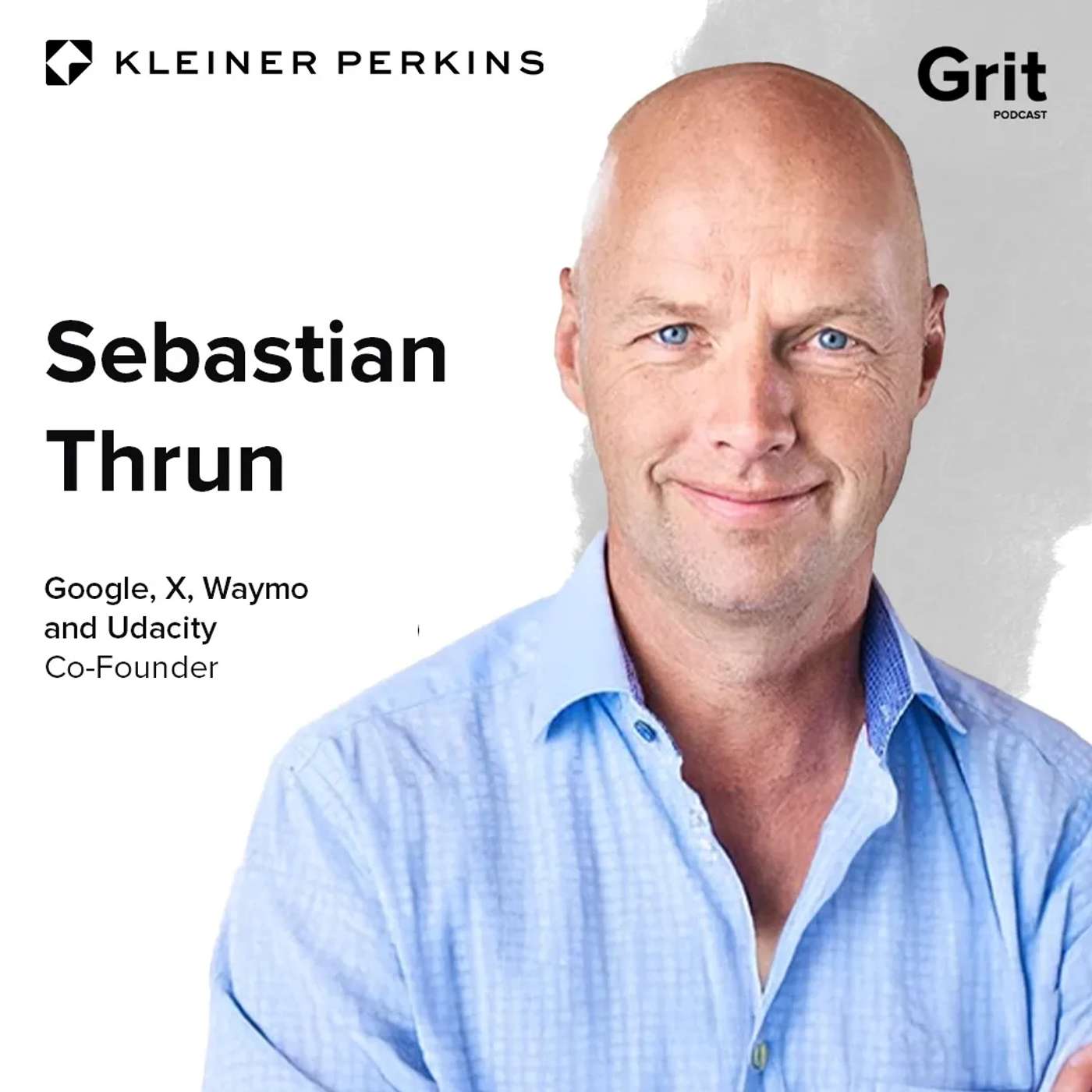
Sebastian Thrun views time, not money, as the ultimate currency. He believes a leader's primary responsibility is to be a steward of their team's time. When someone joins his company, he sees it as his "royal duty" to ensure they spend their most valuable asset on meaningful, impactful work.
Research from Freeman reveals a major disconnect: planners prioritize expensive 'wow' factors like galas and keynotes, while attendees define a great experience as one that helps them learn, network, and do business more effectively.