Get your free personalized podcast brief
We scan new podcasts and send you the top 5 insights daily.
Longevity missions often oscillate between trivial incrementalism and unrealistic grandiosity. Adding 10 healthy years is large enough to be transformative—exceeding the combined gains of curing cancer (approximately three years) and heart disease (approximately four years)—yet concrete enough to execute as a venture. While life extension purists may dismiss it, setting a 10-year horizon creates an achievable yet profoundly impactful target for a startup.

Related Insights
Contrary to the "live forever" narrative, the primary goal of serious, government-funded aging research is to increase "healthspan"—the portion of life spent in good health. The focus is on addressing the societal challenge of aging populations by improving quality of life, not radically extending lifespan itself.

Longevity's goal shouldn't just be living free of disease ('health span'). The new frontier is 'performance span': actively maintaining the ability to perform at a high level, both physically and cognitively, well into old age, challenging the assumption that decline is inevitable.

CZI targets a 10-15 year time horizon for its major scientific initiatives. This is a strategic sweet spot, similar to a venture-backed company's lifecycle, which is long enough for ambitious goals but concrete enough for a team to see a project through.

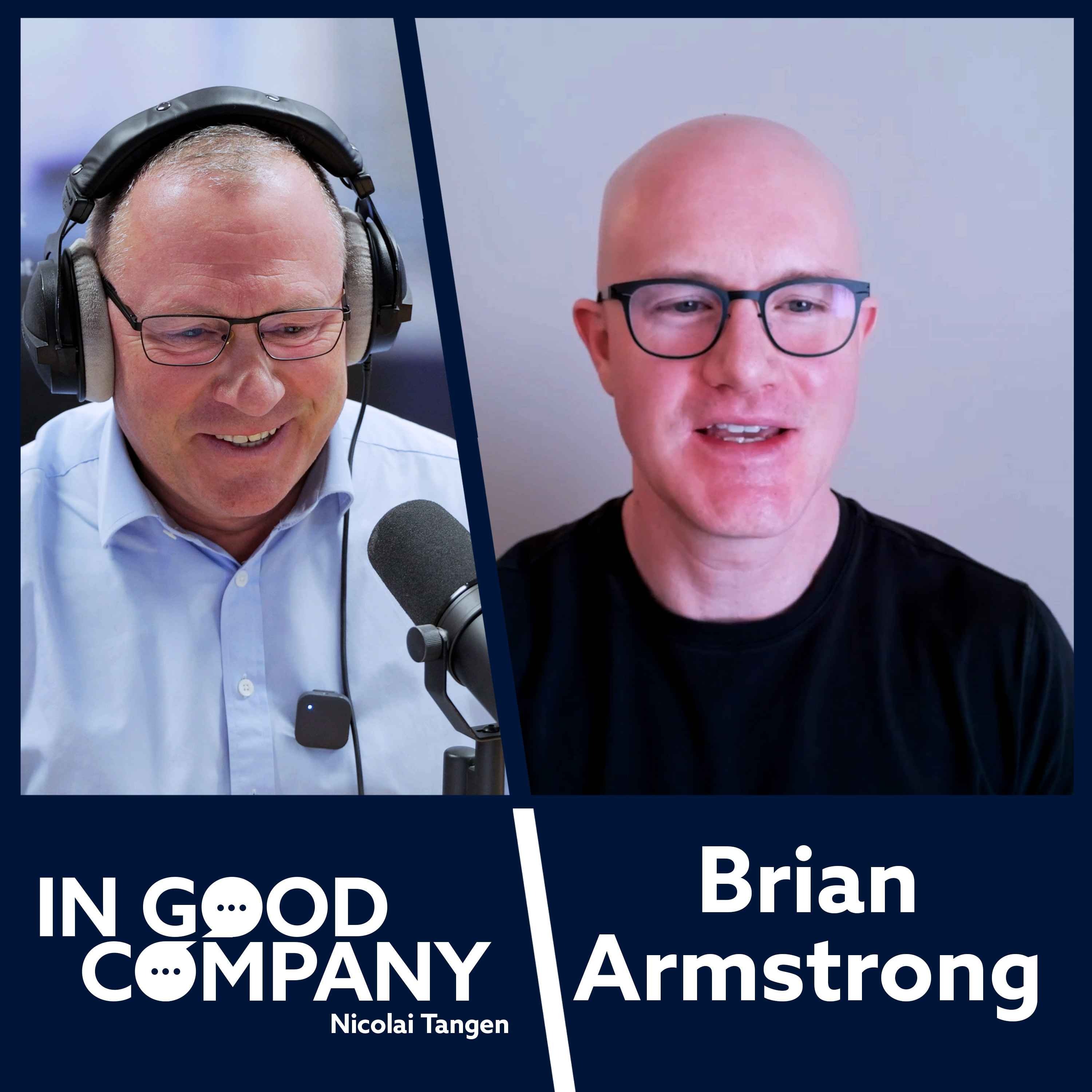
As a co-founder of a longevity biotech firm, Brian Armstrong predicts a 50% chance of reaching "longevity escape velocity" by 2030-2035. This is the point where medicine adds more than a year to life expectancy for every year that passes, driven by breakthroughs in AI-powered drug discovery and cellular analysis.
A major transformation has occurred in longevity science, particularly in the last eight years. The conversation has moved away from claims of radical life extension towards the more valuable goal of increasing "healthspan"—the period of healthy, functional life. This represents a significant and recent shift in scientific consensus.

While foundational, lifestyle improvements have a ceiling. The next major breakthroughs in extending health and lifespan, achieving "longevity escape velocity," will be delivered by advanced biotech like cellular reprogramming, not by the mass adoption of perfect diet, sleep, and exercise habits.

Major age-related illnesses like cancer, heart disease, and dementia share a common root cause: the biological process of aging. Slowing the decline of aging would be a more effective strategy for preventing these diseases than tackling each one individually, leading to more healthy years of life.

The common aversion to living to 120 stems from assuming extra years will be spent in poor health. The goal of longevity science is to extend *healthspan*—the period of healthy, mobile life—which reframes the debate from merely adding years to adding high-quality life.

Curing a single major killer like cancer would only extend the average population's lifespan by two years. This is because diseases like cancer and heart disease are symptoms of a root cause: cellular aging. Without addressing aging, another age-related disease will quickly emerge.
The ultimate aim of longevity science is not just adding years, but reaching a point where therapies reverse biological age by more than one year for every chronological year that passes. This concept reframes the objective as achieving a state of continuous rejuvenation.
