Get your free personalized podcast brief
We scan new podcasts and send you the top 5 insights daily.
To maintain its foundational culture as it grows, Starkey prioritizes hiring individuals who align with its ethos of "doing what is right for the patient." The company believes critical skills can be taught, but a cultural fit based on attitude is non-negotiable for long-term success.

Related Insights
Prioritizing a candidate's skills ('capacity') over their fit with the team ('chemistry') is a mistake. To scale culture successfully, focus on hiring people who will get along with their colleagues. The ability to collaborate and integrate is more critical for long-term success than a perfect resume.

The company simplifies its hiring process down to two core traits. "Smart" means learning quickly, and "who care" translates to extreme ownership and a passion for impact. This focus allows them to build a high-density talent pool that can be deployed across any acquired product.
Chipotle CBO Chris Brandt filters candidates based on a simple, visceral question: 'Would you be willing to walk into a conference room with them at 5 PM on a Friday?' This test prioritizes collaborative spirit and cultural fit over pure skill, ensuring new hires won't disrupt team dynamics, even if they look good on paper.

To maintain a collaborative, "no lanes" culture while scaling, Coya's CEO prioritizes hiring individuals with a strong sense of curiosity and a willingness to learn. This strategy counteracts the silo-building tendency of hiring narrow experts who may be less adaptable or open to cross-functional input.

Apogee's hiring success stemmed from a strict adherence to its "CORE" values: Caring, Original, Resilient, and Egoless. Candidates with amazing resumes were turned away if they didn't fit these values, particularly the willingness to be egoless and do whatever it takes. This created a uniquely high-caliber and collaborative culture.

To scale from 100 to 1,000+ employees, you must stop interviewing everyone. Success depends entirely on the cultural foundation built with the first 100 people. By personally hiring and imbuing them with the company's core values, you create a group of leaders who can replicate that culture as the organization expands.

To scale from 50 to 500 employees in a year without diluting culture, Decagon added a final "bar raiser" interview. Conducted by tenured employees who represent the culture, this step specifically filters for cultural fit and intensity after skills have been vetted, ensuring the hiring bar remains high.
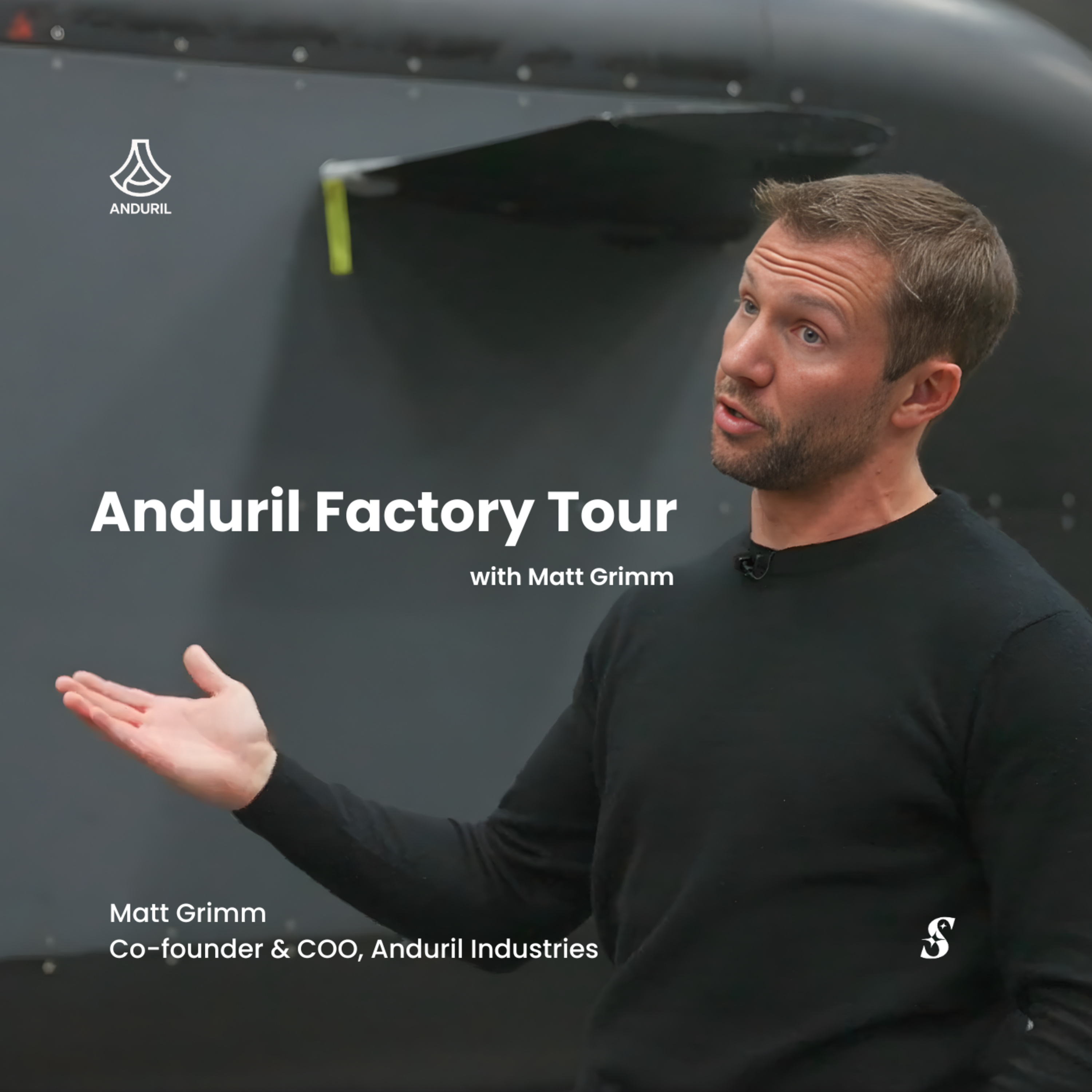
Anduril prioritizes a specific cultural mindset in hiring. They seek entrepreneurial, mission-driven people who instinctively ask 'How do we make it go right?' rather than 'What can go wrong?'. This positive, ambitious worldview is considered the core driver of the company's ability to tackle massive, complex programs.
'Culture add' is insufficient if new hires with different perspectives remain siloed. The goal should be 'culture multiply,' fostering intentional interaction and mutual influence between new hires and the existing culture. This creates a dynamic tension that fosters growth, rather than just filling a gap.

Your hiring process is the first expression of your company culture. Implement a rigorous, multi-step screening process (e.g., video submissions, group interviews) to test for coachability and work ethic. This not only filters candidates but also sets a high-performance frame from day one.
