Get your free personalized podcast brief
We scan new podcasts and send you the top 5 insights daily.
Rippling structures teams into business units led by GMs who oversee product, sales, and implementation. This is driven by the belief that a unified team focused on a specific customer problem (e.g., IT) delivers a superior end-to-end experience compared to a traditional matrixed organization.

Related Insights
To create an integrated product suite, Cisco dismantled divisional silos and restructured into a platform-based organization. An org chart directly dictates product architecture, so leaders must design their organization to produce the desired integrated outcome, not just individual products.

To accelerate AI adoption, Block intentionally dismantled its siloed General Manager (GM) structure, which had given autonomy to units like Cash App. They centralized into a functional organization to drive engineering excellence, unify policies, and create a strong foundation for a company-wide AI transformation.

When different departments push their own projects onto the sales team, reps get overloaded. To solve this, enablement leaders must shift the focus of every initiative away from departmental priorities and toward a shared customer outcome. This unified goal minimizes internal friction and clarifies what's truly important.

To create a cohesive product across multiple teams, GitHub uses a framework that forces alignment upfront. By ensuring all teams first deeply understand the problem and collectively identify solutions, the final execution is naturally integrated, preventing a disjointed experience that mirrors the org structure.

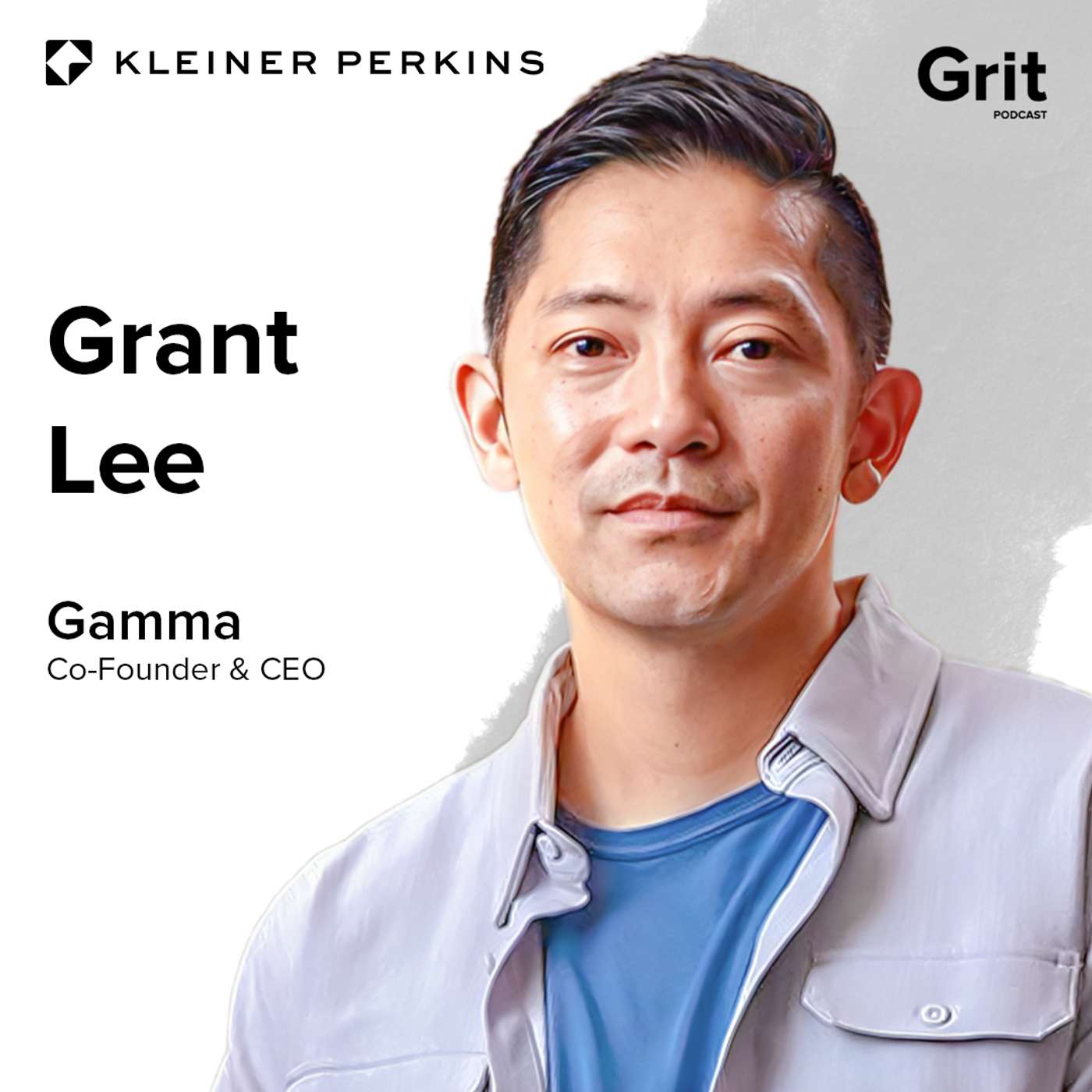
Most startups focus on product or technology innovation, but Gamma's CEO argues that innovating on organizational design is an equally powerful lever. This means rethinking hiring, management, and team composition to create a competitive advantage.
CEO David Risher actively dives into product details ('Falcon Mode') to resolve conflicts and maintain focus in a structure organized by customer (Rider, Driver). This prevents divisional silos from slowing down decision-making and ensures alignment.

The debate between being product-led vs. sales-led is a false dichotomy that creates friction. Instead, frame all functions as fundamentally 'customer-driven.' This reframing encourages product teams to view sales requests not as distractions, but as valuable, direct insights into customer needs.
Block restructured from divisional GMs to a functional organization (Engineering, Product, Design) across all brands. This creates a single shared roadmap and forces alignment, enabling cross-unit collaboration that was difficult when incentives were siloed in separate P&Ls.
Organizing by function (e.g., all sales together) seems efficient but incentivizes teams to optimize their individual metrics, not the company's success. This sub-optimization prevents cross-functional learning and leads to blame games, ultimately harming the entire customer value stream and creating a non-learning organization.

In the AI era, shift from silos like 'Demand Gen' to cross-functional pods focused on outcomes like 'Brand Relationship' or 'Product Delight.' This model, inspired by product development, aligns teams to solve specific customer problems and better integrates AI agents directly into core workflows.
