Get your free personalized podcast brief
We scan new podcasts and send you the top 5 insights daily.
When faced with a massive 52,000-unit order they couldn't possibly fulfill, the founders turned to their local community. A post office clerk initiated a phone tree, mobilizing retired neighbors and stay-at-home moms to help wrap soap, saving the crucial deal and cementing their community-first ethos.
Related Insights
Getting into one local Whole Foods wasn't just a sale; it was a key. Travis immediately leveraged that single, high-credibility placement to persuade other local retailers to carry his product. He understood that one prestigious "yes" acts as powerful social proof, creating a domino effect for distribution.

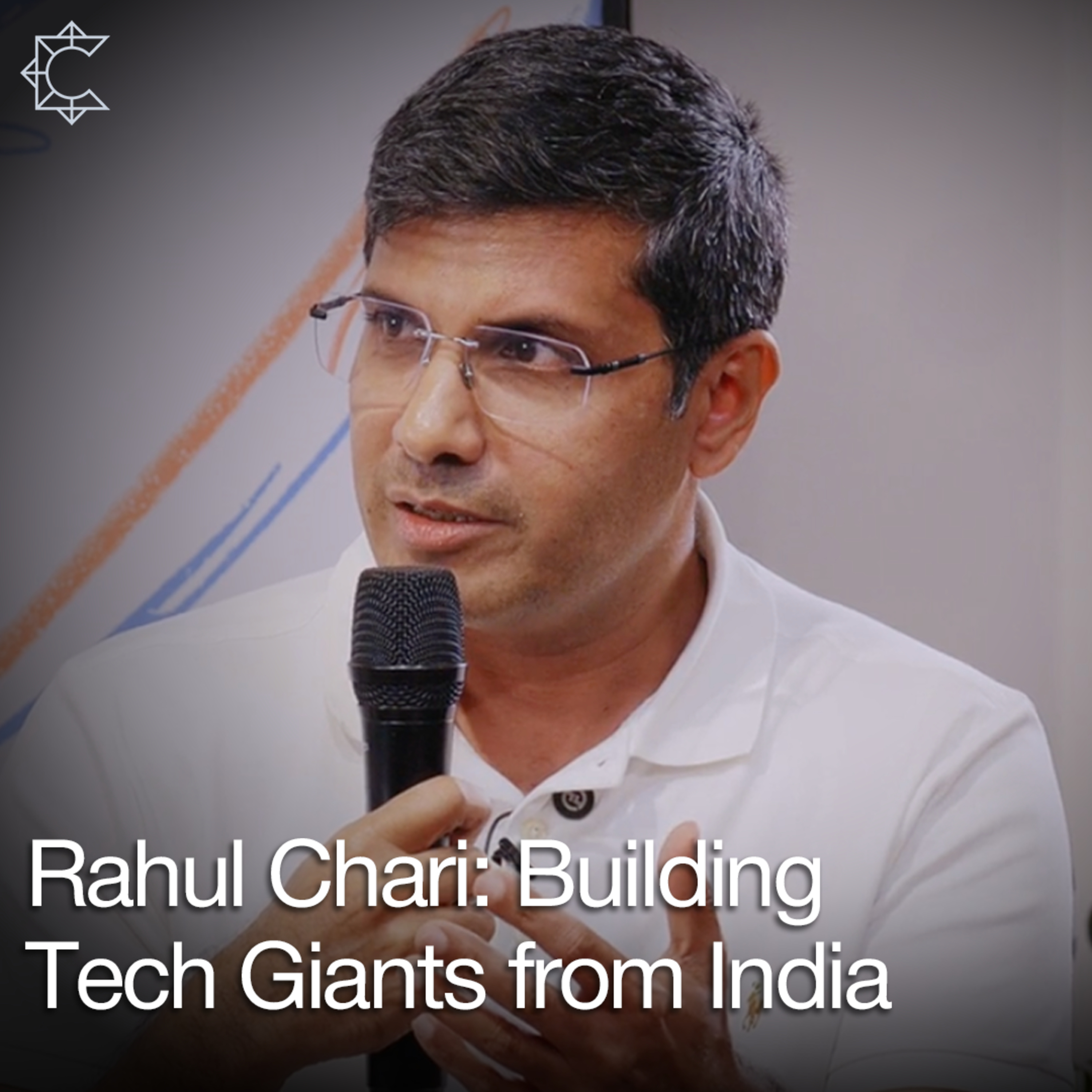
The long-standing relationship between PhonePe's co-founders, built on deep trust, allows them to be interchangeable in their roles. This enables one to step back during difficult periods while the other steps in, ensuring resilience through crises.
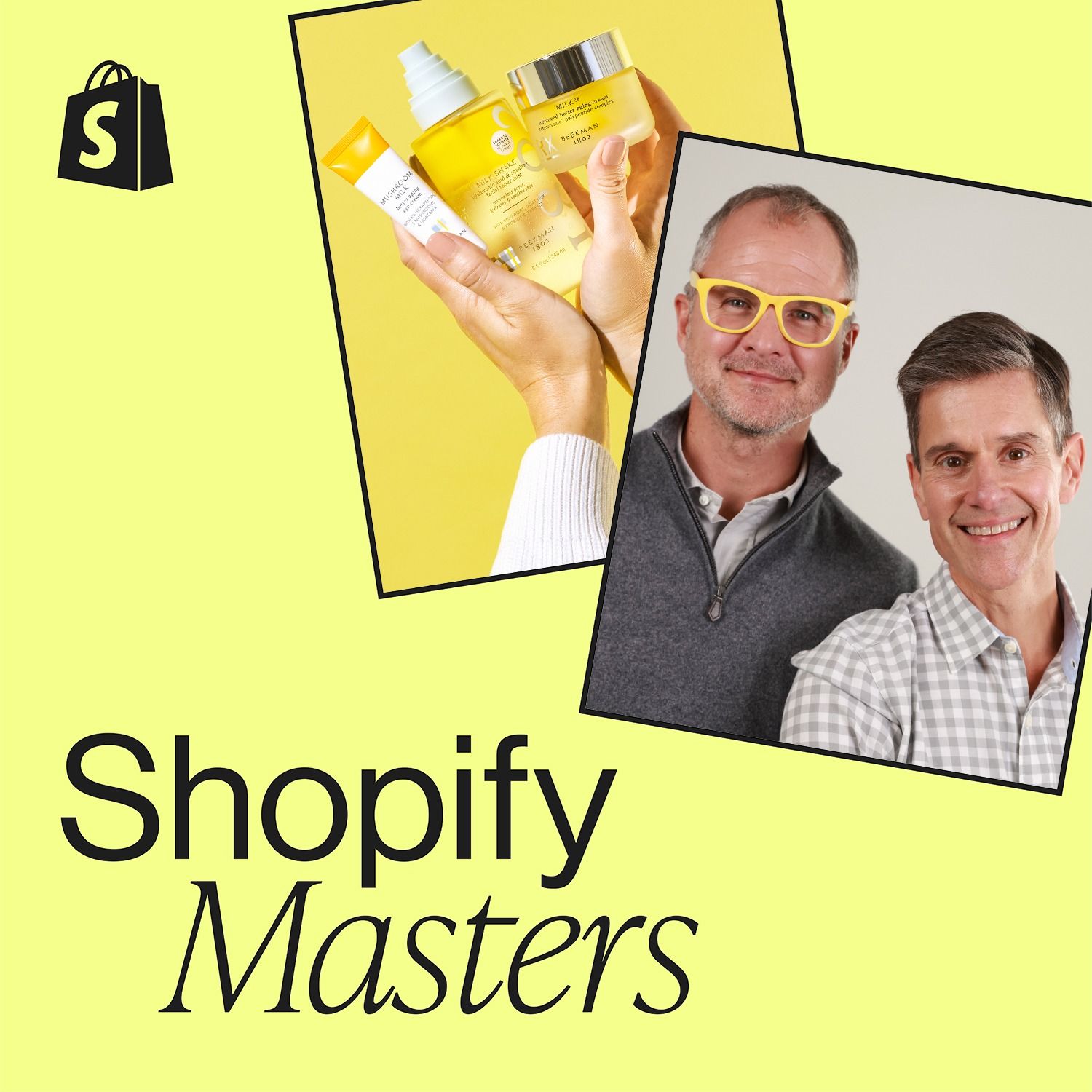
Rather than viewing retail partners as mere buyers, Beekman 1802 treated them as strategic consultants. They actively asked for guidance on scaling production, finding labs, and co-manufacturers, leveraging the retailer's expertise and vested interest in their success.
Your ability to serve clients depends on your internal team. Sales pro Steve Munn built strong relationships with his distribution center staff, treating them with respect ("more with sugar than you do with salt"). This rapport ensured they would go the extra mile for his clients during critical moments.

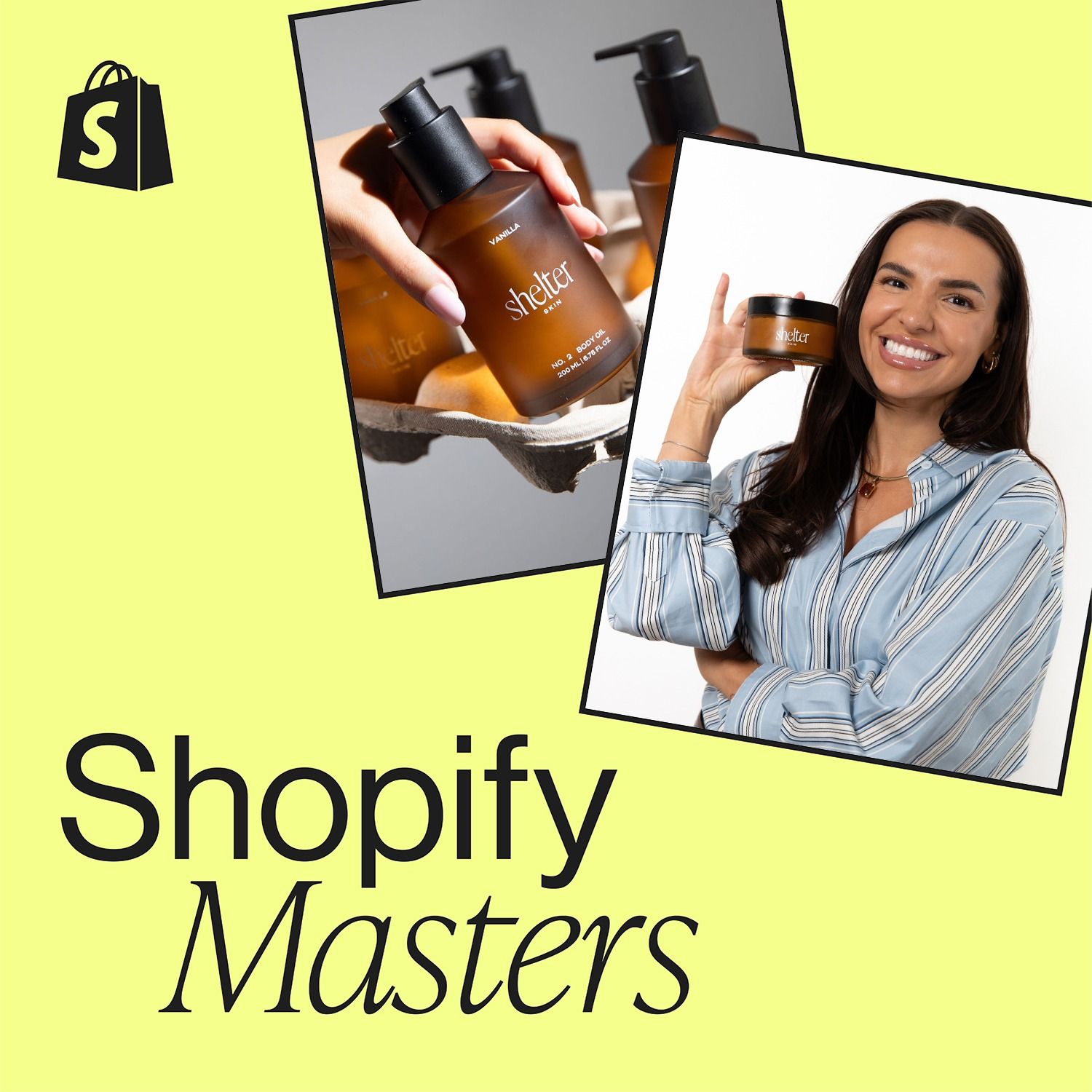
Instead of buying expensive, custom-built lab equipment, Shelter Skin creatively repurposed machinery from the food and beverage industry, like bakery mixers and milk pasteurizers. This resourceful approach enabled them to scale production on a bootstrapped budget, proving ingenuity can replace capital.
Co-founder Brent Ridge personally staffed a small table at luxury retailer Henri Bendel for six straight weeks. This high-touch, in-person effort allowed him to tell his story directly, which attracted a buyer from Anthropologie and an editor from Vanity Fair, catapulting the brand's growth.
To break through on TV retail, the founders brought live baby goats on their QVC segments. This created unpredictable, engaging television that made viewers watch entire hour-long shows to see what the goats would do, dramatically increasing audience engagement and sales.
Unable to get a loan to fill $300,000 in orders, FUBU's founder and his mother placed a newspaper ad reading, "million dollars in orders need financing." This unconventional tactic attracted 33 responses and ultimately led to a critical production and financing partnership with Samsung's textile division, bypassing traditional gatekeepers.

Inspired by legacy brands like Chanel No. 5, the founders named their company "Beekman 1802" after the farm's original builder and founding year. This was a deliberate choice to build a brand that could become a legacy, separate from their personal identities, ensuring it could endure beyond them.
Despite the high cost of distribution, OpenGov's success relied on a high-touch, in-person sales strategy. The team would show up with donuts, meet everyone in town, and build deep relationships, even for small initial contracts.
