Get your free personalized podcast brief
We scan new podcasts and send you the top 5 insights daily.
Citing a powerful statistic, Kavak's CEO argues that true, generational value is created in the long run, after the 15-year mark. This mindset encourages founders to focus on compounding, incremental improvements and relentlessly removing user friction, rather than chasing short-term valuation spikes.

Related Insights
The most successful founders, like Koenigsegg, say the same things on day one as they do 20 years later. Their success comes not from pivoting, but from the relentless, decades-long execution of a single, powerful vision. This unwavering consistency compounds into a massive competitive advantage and defines the company's character.

Prioritize sustainable, long-term growth and value creation over immediate, expedient gains that could damage the business's future. This philosophy guides decisions from product development to strategic planning, ensuring the company builds a lasting competitive advantage instead of chasing fleeting wins.

The biggest venture outcomes often take 8-10 years or more to mature. Instead of optimizing for quick IRR, early-stage VCs should embrace long holding periods. This "duration" is a feature that allows for massive value creation and aligns with building truly transformative companies, prioritizing multiples over short-term gains.
A strategy for durable company-building is to aim for an enterprise value multiple that is highest in year 20. This long-term perspective focuses on the immense power of late-stage compounding growth and insulates the company from the volatility of short-term capital markets and technology hype.

Success for a year or even five is common; success for decades is rare and contains unique lessons. Prioritize durability above all else by studying and speaking with people who have maintained high performance over extremely long periods. This provides a filter for timeless, compoundable wisdom.
Instead of optimizing for a quick win, founders should be "greedy" and select a problem so compelling they can envision working on it for 10-20 years. This long-term alignment is critical for avoiding the burnout and cynicism that comes from building a business you're not passionate about. The problem itself must be the primary source of motivation.

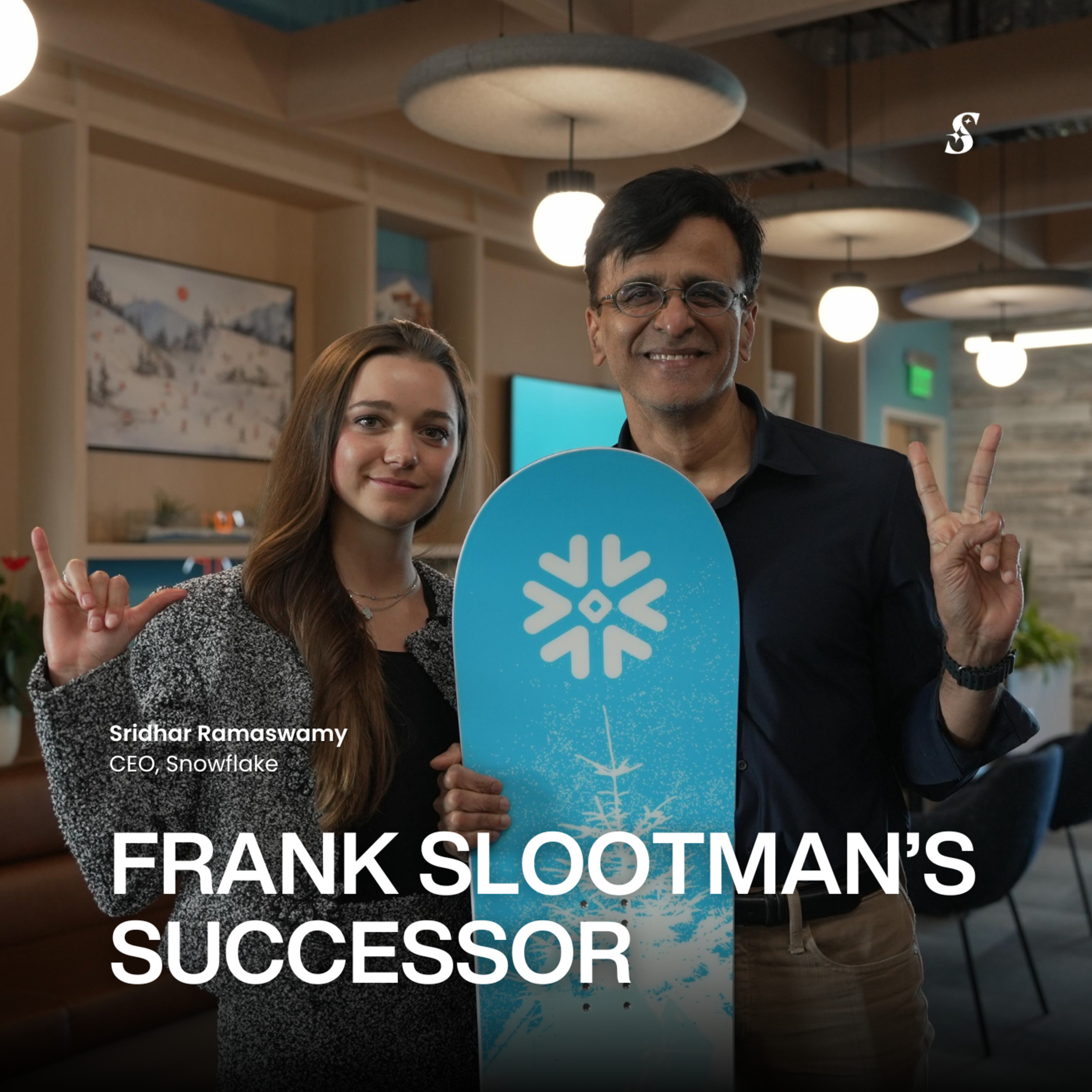
The path to immense scale is paved with relentless, disciplined, and compounding growth. Sridhar cites his experience at Google, where a recurring quarterly objective to increase revenue per query by 5%—compounded over years—was the engine that drove a product to a $100 billion run rate.
The paradox of long-term planning is that focusing on sustainability and succession—building a company that doesn't need an exit—makes it far more valuable and appealing to potential buyers. Robust, self-sufficient companies built to last are inherently better investments.

Rapid startup success stories are misleading. A company's quick victory is almost always the result of its founder's decade-long journey of grinding, learning, and failing. The compounding effect of skills, credibility, and network building is the true engine behind the breakthrough moment.

Many founders sell companies for tens or hundreds of millions, only to see them become worth billions later. The key differentiator for those who reach the highest echelons of success is often an uncommon level of endurance, staying in the game long after others would have cashed out.
