Get your free personalized podcast brief
We scan new podcasts and send you the top 5 insights daily.
Galloway claims fractional jet ownership is his best expenditure, saving him 17 days a year and enabling spontaneous, memorable experiences. It 'lowers the bar for fun' by removing logistical friction, providing more value than even his house.

Related Insights
The best spenders aren't frugal; they're strategic. They identify their unique 'money dials'—the few things they truly love—and spend lavishly on them. They fund this by mercilessly cutting spending on everything else society tells them they should want, like a fancy car or travel.
A consistent pattern among wealthy founders reveals that worthwhile purchases enhance life by creating more time, improving health, and fostering calm. In contrast, purchases focused on status items like cars and watches are often regretted because they add complexity and responsibility without improving well-being.

The ultimate goal of accumulating money is not to hoard it but to use it as a tool to buy back your time. True wealth is the ability to control your daily schedule and spend your hours on things you love, which is a more meaningful metric than a net worth figure.

The joy derived from luxuries comes from the contrast with everyday life. A private chef's five-star meal becomes mundane when served daily. By keeping your baseline simple, you amplify the pleasure of occasional splurges, making them more memorable and impactful than constant indulgence.

After achieving financial success, the most valuable asset isn't money but the freedom of choice. This includes the ability to live a simple life by design, to not worry about small things, and to decide what truly matters, which is a far greater luxury than material possessions.
When money is tight, people desire material possessions. However, once they achieve true financial freedom, the desire for 'stuff' often vanishes. The focus shifts entirely to non-material assets like experiences, health, and quality time.

Investing in high-quality items used daily, like nice dinnerware or a good sound system, can provide more cumulative happiness than spending on major purchases used less often. Optimizing for day-to-day delight is a powerful philosophy for life satisfaction.

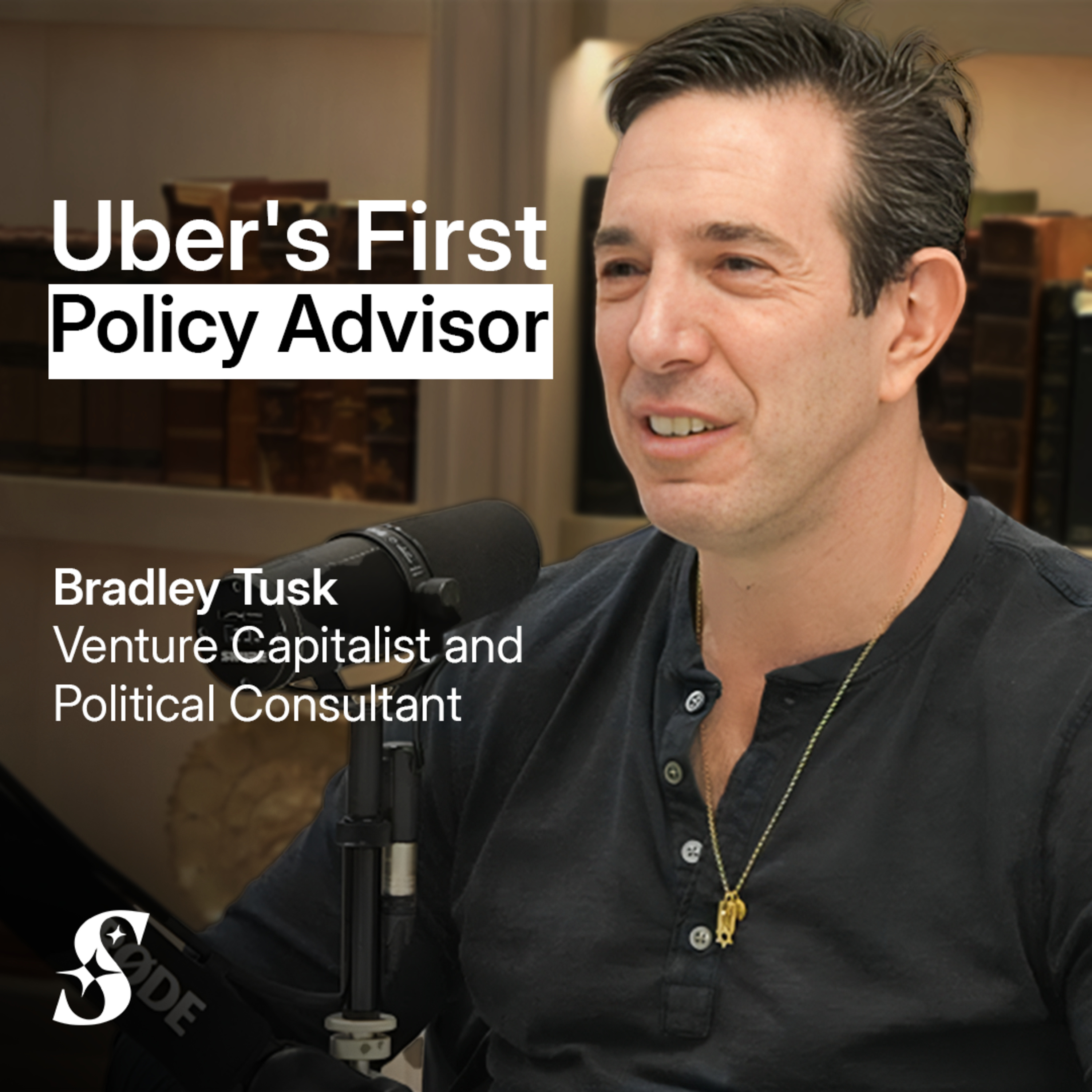
Tusk intentionally loses $1M/year on a bookstore, viewing it as an A/B test against spending the same on private flights. The bookstore provides meaning, purpose, and social affirmation—an 'abundance' return on happiness—that far outweighs the 'zero-sum' convenience and status of luxury travel.
The true feeling of wealth for many founders isn't a flashy car or a large house, but the ability to fly business class. This specific luxury represents a transition from enduring physical discomfort (e.g., back pain from economy) to prioritizing well-being and comfort, making it a powerful psychological milestone.
Possessions can be viewed as assets that pay "life dividends." This concept reframes value beyond financial returns, accounting for the emotional and memorable experiences an item provides, such as a dress worn at a wedding. These moments are a form of non-cash, emotional return on investment.
