Get your free personalized podcast brief
We scan new podcasts and send you the top 5 insights daily.
Administering health screenings directly at job sites produces substantially higher compliance rates than conventional outpatient facilities relying on reminder mailers. Consistently appearing where employees already spend their days removes friction and helps employers reduce lost productivity and late-stage diagnostic expenses.

Related Insights
Extending a wearable's wear time has two major benefits beyond convenience. It lowers costs by reducing device waste and the need for frequent healthcare worker assistance. More importantly, it dramatically increases patient compliance, as a once-a-month application is far easier to adhere to than a daily routine.
Acute medical issues trigger the brain's fear-based limbic system, motivating patients to endure significant travel and friction. In contrast, preventative screening relies on prefrontal cortex executive functioning, which frequently gets postponed amidst daily tasks unless care is made effortless.
Commercial payers face significant financial losses in government subsidies when their annual quality star ratings slip. Turnkey mobile screening directly satisfies HEDIS screening metrics by reaching hard-to-access members, transforming health insurance payers into motivated, high-value commercial partners.
Mission-driven healthcare concepts cannot expand across corporate clients without clear financial justification. Providing employer partners with queryable analytic portals demonstrating documented satisfaction and multi-year cost reductions makes preventative screening economically compelling for executive decision-makers.
Unlike imaging that requires specialized centers, blood tests can be administered anywhere with basic phlebotomy services. This eliminates geographic and logistical barriers, making advanced diagnostics accessible to rural and underserved populations and reframing access as a human right.

The success of preventative medicine hinges on redesigning hospital infrastructure, not just on new technology. To combat patient dropout rates and overcome barriers like travel and time, health systems must evolve into integrated facilities where patients can complete multiple screenings, lab work, and pharmacy pickups in a single visit.

Achieving consistent annual patient adherence provides far greater clinical protection than obtaining an immaculate test during a single visit. Rigid administrative barriers and perfectionist rejection protocols can alienate patients, preventing them from establishing the essential habit of returning every year.
The current healthcare model is backwards. It's more cost-effective to proactively get comprehensive diagnostics like blood work done twice a year than to rely on multiple, expensive doctor visits after symptoms appear. This preventative approach catches diseases earlier and reduces overall system costs.
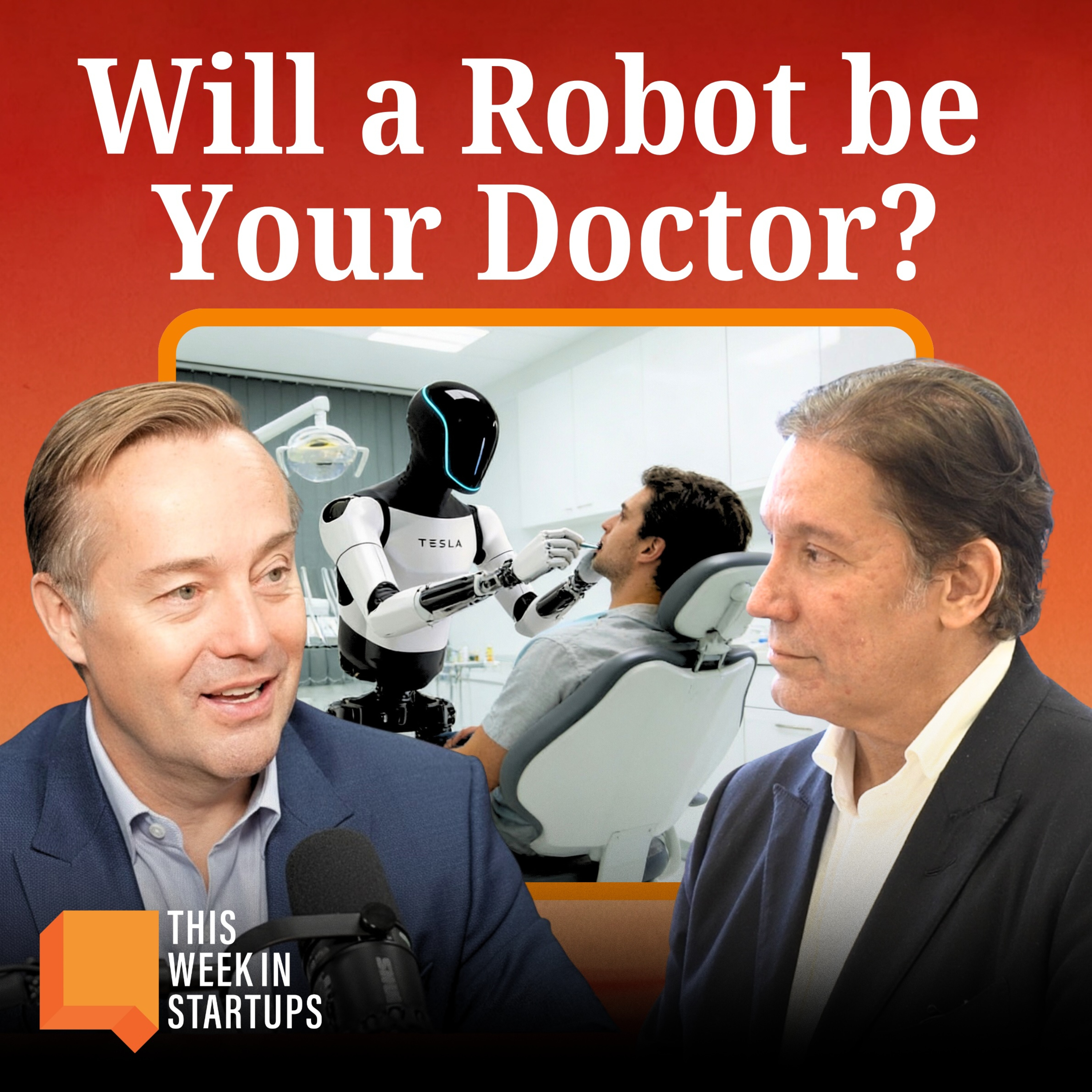
A mobile CT scanner is being brought to Silicon Valley companies, which pay double the cost per scan for their employees. This extra revenue funds free scans in underserved communities like East Palo Alto. This innovative 'buy one, give one' model transforms a corporate wellness perk into a vehicle for addressing health equity, creating a scalable and self-funding public health program.

Cancer screening is moving beyond broad demographic guidelines (e.g., age) to a model based on individual risk. This includes not only genetics and environmental exposures but also novel, passive data streams from smart devices like toilet sensors monitoring stool or even subtle changes in a person's typing patterns over time.