Get your free personalized podcast brief
We scan new podcasts and send you the top 5 insights daily.
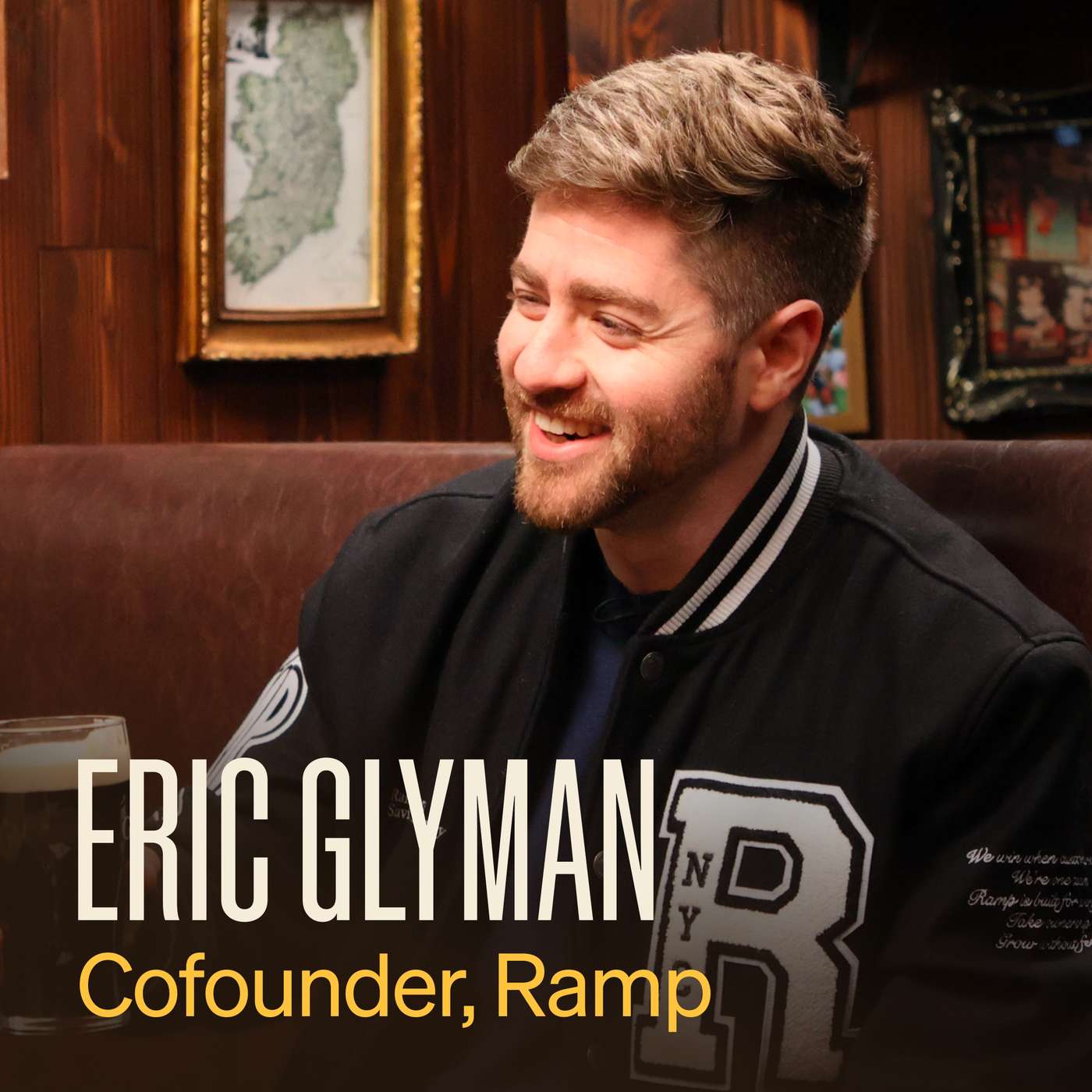
Ramp's code generation by AI has rapidly increased from 30% to 50% in three months. This isn't just for prototypes but for the entire production stack, back-end and front-end, signaling a fundamental shift in software development that makes the entire company more productive.

Related Insights
Michael Bolin, a tech lead on OpenAI's Codex, says models now generate 80-90% of his code. He reserves manual coding for critical, low-level tasks like security sandboxing. For most work, including debugging and refactoring, he relies on the AI agent to maximize his throughput.

The most significant and immediate productivity leap from AI is happening in software development, with some teams reporting 10-20x faster progress. This isn't just an efficiency boost; it's forcing a fundamental re-evaluation of the structure and roles within product, engineering, and design organizations.

The Head of Engineering for Atlas estimates that north of 75% of new code is initially written by the AI assistant Codex. This indicates a profound shift where the primary engineering workflow becomes prompting, guiding, and refining AI output, rather than manually writing code from scratch.

The latest AI coding assistants facilitate a massive leap in developer productivity. The host demonstrated this by merging 44 pull requests and adding nearly 93,000 lines of code in just five days, a workload that would typically take an entire team months to complete, making the scale of the impact concrete.
Ramp's internal tool, "Inspect," allows non-technical roles like PMs and designers to generate and merge production-ready code. This dramatically accelerates development for quality-of-life improvements and minor features, activating the entire company as builders, not just the engineering team.
With AI coding assistants, the barriers to shipping software are eroding. At Ramp, designers and customer support agents are now shipping code to production. This suggests a future where the traditional, siloed Engineering, Product, and Design (EPD) team structure becomes obsolete.
As AI makes the act of writing code a commodity, the primary challenge is no longer execution but discovery. The most valuable work becomes prototyping and exploring to determine *what* should be built, increasing the strategic importance of the design function.
Spotify has shifted from AI as a developer 'copilot' to AI as the primary coder for senior staff. Top developers now provide natural language instructions for bug fixes or features via Slack during their commute, with an internal platform autonomously writing, validating, and deploying the code to production. This marks a profound change in the software development lifecycle.

AI acts as a massive force multiplier for software development. By using AI agents for coding and code review, with humans providing high-level direction and final approval, a two-person team can achieve the output of a much larger engineering organization.

Experienced engineers using tools like Claude Code are no longer writing significant amounts of code. Their primary role shifts to designing systems, defining tasks, and managing a team of AI agents that perform the actual implementation, fundamentally changing the software development workflow.
