Get your free personalized podcast brief
We scan new podcasts and send you the top 5 insights daily.
To combat big-company stagnation, Brian Chesky implemented "founder mode," where he bypasses management to work directly with a small team on a specific goal, like conversion rate. This hands-on approach allows him to teach the startup's original pace and intensity, renovating the company one "room" at a time.

Related Insights
To speed up Ring, returning founder Jamie Siminoff bypassed traditional management layers. He elevated high-potential, more junior employees to report directly to him, not as managers, but as individual contributors running key initiatives. This broke up hierarchies and increased ownership.

Brian Chesky rejects the modern management trope that leaders should simply "trust their people and get out of the way." He argues that effective leadership requires presence and being deeply involved with the team's work, comparing a CEO to a cavalry general who must be on the battlefield, not issuing orders from afar.
Flexport's founder details his journey from a hands-off "manager mode" to a directive "founder mode." The rise of bottom-up AI innovation in hackathons is causing him to cycle back, recognizing the need to balance top-down strategy with empowering creative, decentralized ideas that leadership couldn't have conceived.

Modern management often preaches delegating and staying out of the details. Airbnb's CEO argues the opposite: great leadership is presence. By being "on the field" with your team, you teach intensity, improve work quality, and clear bureaucratic obstacles directly.

Large corporations can avoid stagnation by intentionally preserving the "scrappy" entrepreneurial spirit of their early days. This means empowering local teams and market leaders to operate with an owner's mindset, which fosters accountability and keeps the entire organization agile and innovative.

To combat big-company lethargy, Airbnb's CEO created a small, intense team to obsess over a single metric, mirroring the company's early days. This "startup within a startup" model's success was then replicated across other teams, boosting overall pace and intensity.
To successfully launch new business lines, established companies should act like startups again. Airbnb found success by piloting new services in just one city, perfecting the model with a small user base, and only then scaling. This shrinks the problem and accelerates learning.
![Brian Chesky - AI Founder Mode - [Invest Like the Best, EP.470] thumbnail](https://megaphone.imgix.net/podcasts/6162ba8a-4843-11f1-b7b7-53d3b402f9a6/image/0f929ee6c3171280178b7ad567d250fd.jpg?ixlib=rails-4.3.1&max-w=3000&max-h=3000&fit=crop&auto=format,compress)
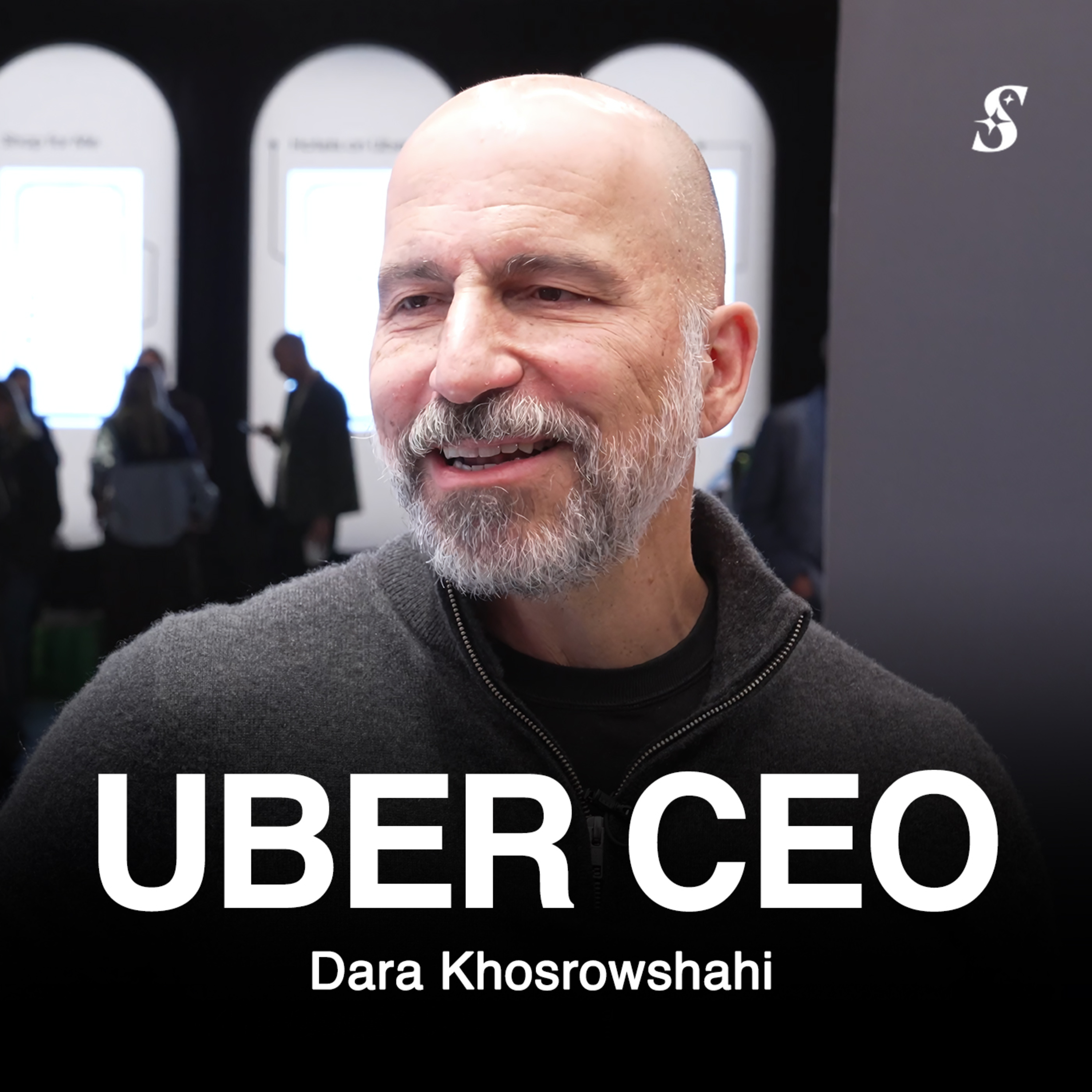
To avoid the filtered information that often reaches the C-suite, Dara Khosrowshahi deliberately bypasses management layers. He holds "no decks" jam sessions with engineers and product managers 2-4 levels down, speaking candidly to encourage honest feedback and get a real understanding of the company's challenges.
Brian Halligan, HubSpot's longtime CEO, observes that the established rules for corporate leadership are obsolete. He cites unconventional leaders like Elon Musk, Nvidia's Jensen Huang (with 60 direct reports), and Airbnb's Brian Chesky as examples of innovators who are successfully rethinking company management from scratch.

To avoid bureaucratic bloat, organize the company into small, self-sufficient "pods" of no more than 10 people. Each pod owns a specific problem and includes all necessary roles. Performance is judged solely on the pod's impact, mimicking an early-stage startup's focus.