Get your free personalized podcast brief
We scan new podcasts and send you the top 5 insights daily.
AI can automate tedious video editing tasks like finding the best takes from raw footage and adding blurs. For solo creators, this also offloads the emotionally draining process of watching and critiquing their own content. By delegating the 'critique' to a neutral AI, it lowers the psychological barrier to content creation.

Related Insights
To scale short-form video, HubSpot created an automated clipping engine in a six-week sprint. It uses AI (Claude) to identify clips and an API (Descript) to edit them, leaving the final creative approval to a human. This "human-in-the-loop" system massively increased output without sacrificing quality.

The days of needing a specialized editor or large budget for video are over. AI tools have made video production so accessible that creating and editing content will become an expected, non-negotiable skill for the modern marketer, shifting the responsibility from specialists to generalists.

While generative video gets the hype, producer Tim McLear finds AI's most practical use is automating tedious post-production tasks like data management and metadata logging. This frees up researchers and editors to focus on higher-value creative work, like finding more archival material, rather than being bogged down by manual data entry.

Go beyond automating administrative tasks. Set up recurring AI jobs, like in Codex, to analyze your output (e.g., YouTube videos) and provide brutally honest, negative feedback. This creates a system for continuous, unbiased improvement.

The primary value of current AI video tools is not perfection but speed. The host created a full hype video—from avatar creation to final edit—in under 15 minutes. The result was only "50% there," but its immediate utility for social media and marketing outweighed its flaws, showcasing a new paradigm in content creation.

While many competitors focus on prompt-based "agentic editing," Tela's founder believes this is a temporary step. The ultimate goal is for AI to analyze a raw recording and automatically produce a high-quality final video without any user prompts or editing commands, leaving only the 'fun part of telling your story'.

Delegate the robotic task of removing filler words and bad takes to an AI tool. This creates the initial rough cut, saving your professional editor's time and budget for higher-value tasks like motion graphics, creative pacing, and strategic storytelling.

Video editing can be automated without technical skill by using an AI as an orchestrator. By giving Claude access to a plugin like Remotion, you can use natural language prompts to direct it to access raw video files and perform complex edits, turning a creative brief into a near-finished video automatically.
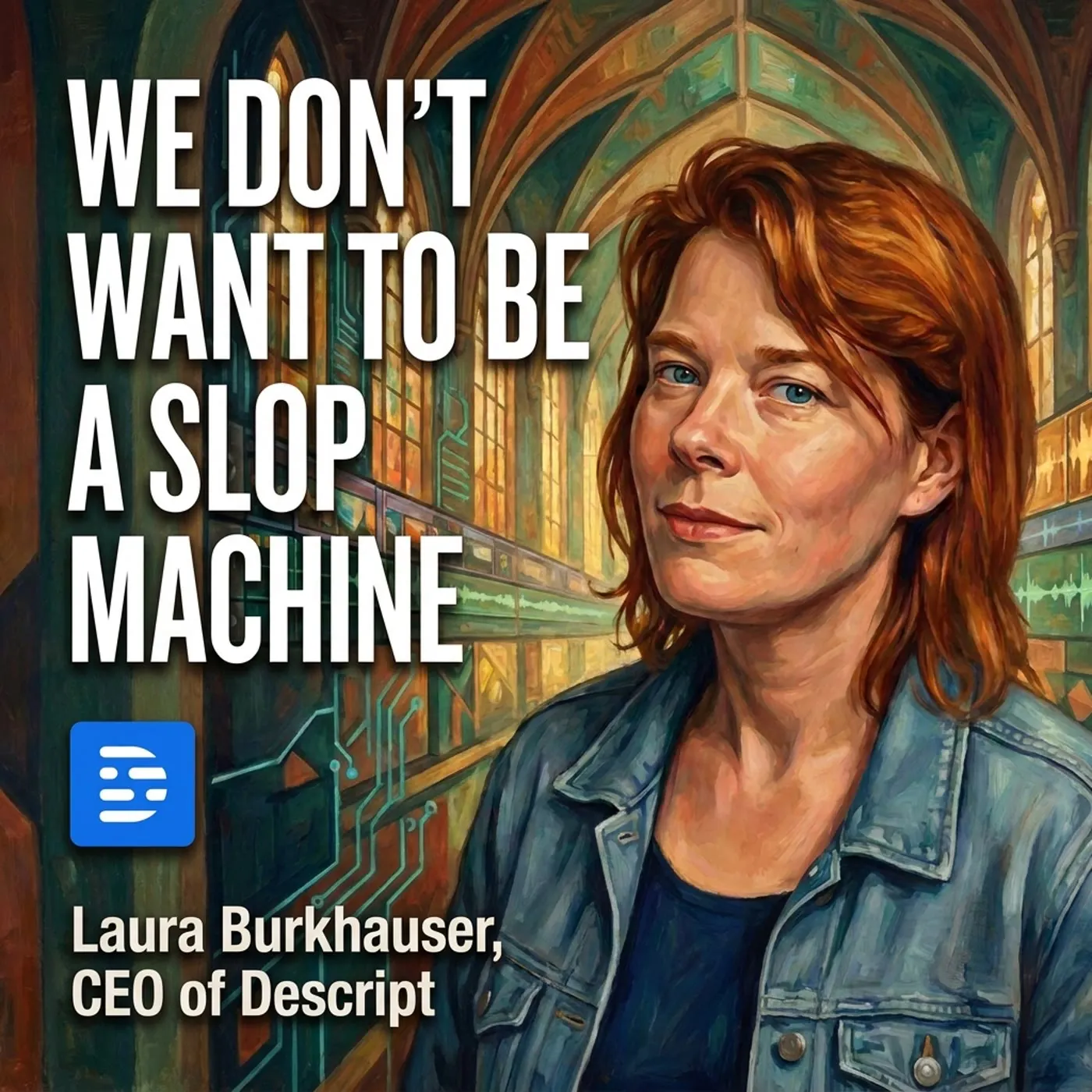
Descript's core vision is not to replace creators with generative AI, but to perfect human-recorded media. The goal is using AI in post-production to fix lighting, smooth edits, or correct mistakes, enhancing authenticity rather than simulating it.
Developers and designers report unprecedented professional happiness from using AI. It removes the tedious tasks that cause malaise and slow momentum, creating a closed-loop system where they can instantly manifest and iterate on their creative ideas, leading to greater fulfillment.