Get your free personalized podcast brief
We scan new podcasts and send you the top 5 insights daily.
Reel's social success comes from its inverted structure. Traditional platforms are user-centric (one-to-many posts). Reel is event-centric, making a specific play the "post" and consolidating all community discussion underneath it. This creates a highly focused, communal alternative to scattered conversations on general-purpose networks.

Related Insights
Instagram is testing a default home feed composed entirely of Reels, reflecting that video now drives over 50% of time spent on the platform. This move solidifies its shift to a short-form video app, forcing brands still focused on static images to adapt or lose significant organic reach.

Attempts to create "another Twitter" fail because they are derivative. The next successful social platforms will be built around entirely new user behaviors, such as creator marketplaces, AI-driven group coordination, or apps like Partiful that bridge online communities with real-life events.

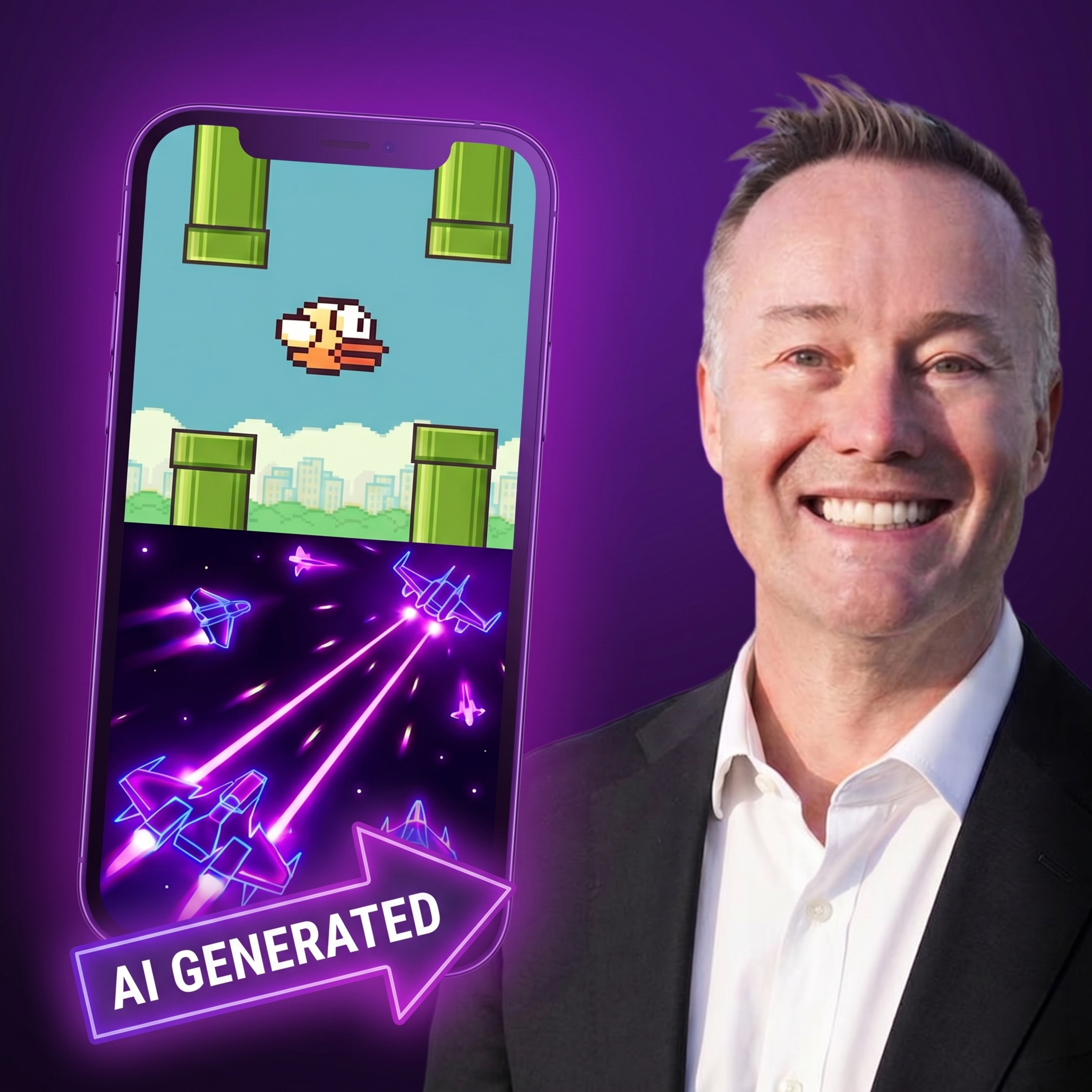
While people commonly share video clips or text, sharing interactive games is not an established behavior. Nanogram is changing this, observing that for every 100 likes on a game, it receives 30 to 50 shares. This high ratio suggests the platform is creating a new viral loop.
View platforms like Facebook and YouTube as modern equivalents of TV networks (ABC, NBC), not just channels to blast a single piece of content. Each platform requires its own native "show"—content formatted and styled specifically for that audience and algorithm—to succeed.

As loneliness increases, media consumption is shifting from passive viewing to active participation. Platforms that best replicate the experience of a real-life conversation, like live streams with interactive comments, are positioned to win because they fulfill a deep-seated human need for connection.

Historically, Reels were positioned to attract non-followers while Stories nurtured existing ones. This paradigm is shifting, as creators now see Reels getting more traction with their current followers, supported by new follower-centric features, indicating a change in Instagram's core strategy for the format.

Platforms like TikTok and Instagram now prioritize content based on an interest graph, not a social graph. This means a post's relevance determines its reach, not the creator's follower count. Any single piece of content has the potential to go viral, leveling the playing field.
Platforms like Instagram have fundamentally shifted from being networks for friends and family to becoming pure entertainment channels. With personal content making up a fraction of time spent, the user experience is now dominated by algorithmic feeds like Reels. This marks the end of the original social media era.

Emerging sports like pickleball and SlamBall follow a new growth model. Whereas the NFL needed television to expand, today's leagues leverage the high consumption of short-form video clips on social media for awareness and distribution, creating a viable path to gain mainstream traction.
Instead of focusing on a central brand account, Essentially Sports built over 150 niche social media communities for specific players or teams. They believed that on social platforms, users connect more deeply with their specific fandom than with a broad media company brand.
