Get your free personalized podcast brief
We scan new podcasts and send you the top 5 insights daily.
When Steve Levitt, as a journal editor, published Peter Leeson's 'weird' paper on pirates, it did more than share an idea. It signaled to a generation of academics that unconventional thinking was welcome, giving them the confidence and 'permission' to pursue their own original research.

Related Insights
Senior professionals can combat systemic risk aversion by lending their social status to younger colleagues. When a junior person raises a valid but risky point, a senior can re-state it as their own concern, using their credibility as a shield to allow the idea to be judged on its merits, not its origin.

To stay on the cutting edge, Palmer Luckey reads academic literature across many fields. He argues that academics effectively survey the state-of-the-art and identify key players and new approaches. While their own work may not be practical, their research provides a reliable, consolidated signal of innovation.

An institutional bias exists for standard economic theory. A conventional proposal like lowering prices is accepted without question, while a counterintuitive one like raising prices requires rigorous testing. This dynamic creates a powerful force for conventional, often suboptimal, decision-making and discourages creative thinking.

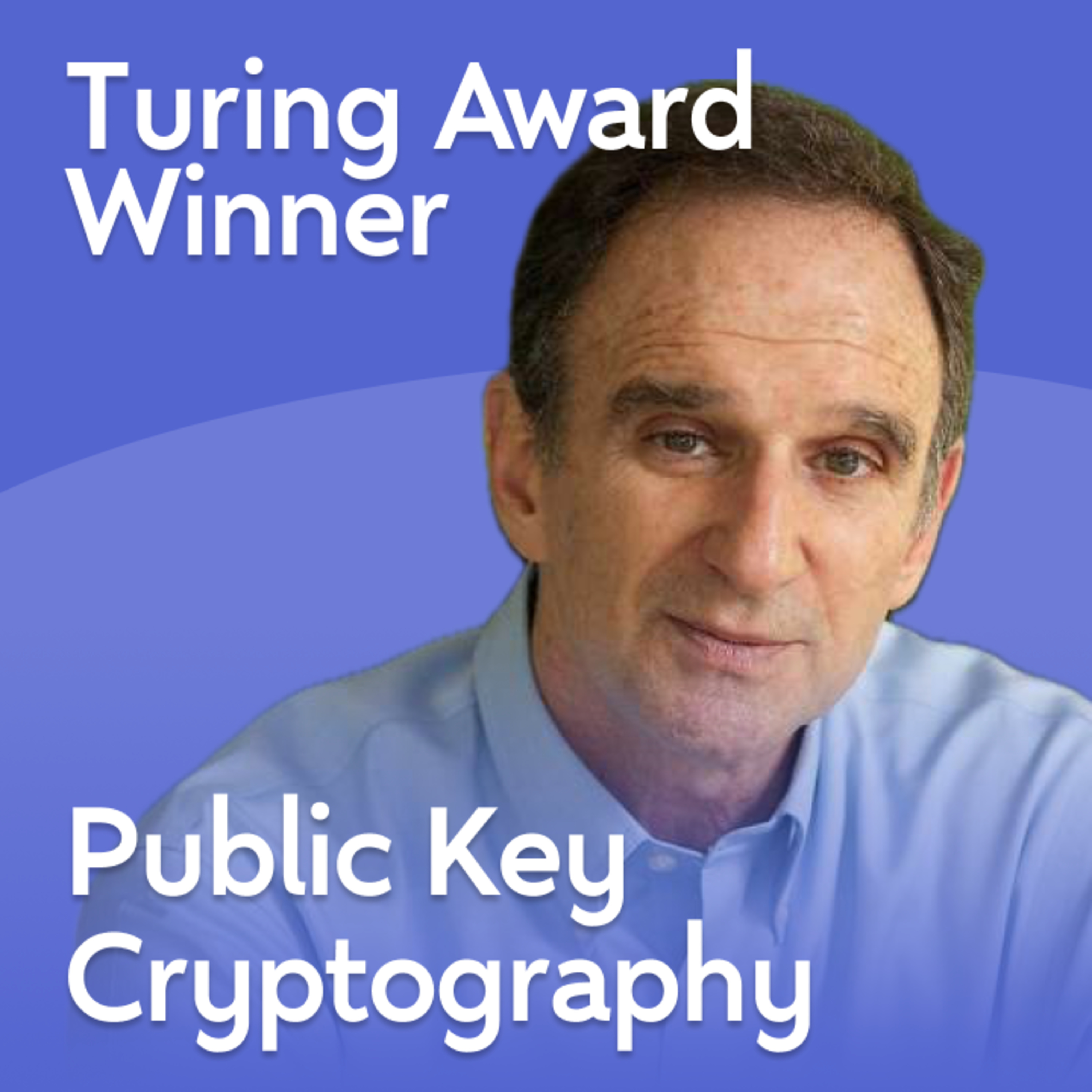
Martin Hellman credits his willingness to pursue cryptography, which colleagues called "crazy," to his childhood experience of being an outsider. This mindset transformed external skepticism from a deterrent into an attraction, fostering the resilience needed for radical innovation.
Paul Romer argues that the process of scientific discovery often leads to 'herding,' where researchers converge on a narrow set of ideas. To foster breakthroughs, it's crucial to create incentives for expressing a wider range of views, even those far from the norm, to prevent premature consensus.
Both Paul Romer and Steve Levitt attribute their most impactful early work to having the freedom to pursue unconventional ideas without direct oversight. This 'lack of adult supervision' allowed them to tackle out-of-fashion or seemingly unimportant topics, leading to major breakthroughs.
Unlike weak-link problems (e.g., food safety) where you fix the worst part, science is a strong-link problem where progress depends entirely on the best outcomes. The optimal strategy is therefore to increase variance by funding more weird, high-risk ideas.

Morgan Housel's massively successful book, *The Psychology of Money*, was rejected by all US publishers because its unconventional format—19 disconnected essays—was the opposite of what they wanted. This shows that to achieve an outlier result, you often need an oddball idea that breaks established rules.

The internet enables anyone to conduct and publish research, yet few do. The primary obstacle is psychological: people wait for permission or credentials. The solution is to just start, even by replicating existing studies and posting the results online.
Humans are hardwired to seek social acceptance for survival. This translates into a tendency to conform and reinforce existing beliefs, making it difficult to introduce truly original or disruptive ideas. These contrarian ideas, however, are the sole source of new value creation.