Get your free personalized podcast brief
We scan new podcasts and send you the top 5 insights daily.
Supply chain shortages for items like electrical transformers have forced developers into a new mode of operation. The process involves leveraging personal networks ("a guy who knows a guy"), paying in advance for critical components, and then finding space to store them until they are needed for construction.

Related Insights
To protect budgets from volatile overseas tariffs and supply chain disruptions, Hillpointe executes a full material buyout when a project starts. All materials are purchased and shipped at once, locking in costs and ensuring availability, preventing mid-project cost overruns that would derail underwriting.

A robust supply chain requires managing beyond your direct (Tier 1) suppliers. To ensure they can meet your growing demand, you must engage with their suppliers (Tier 2 and Tier 3) to identify and help solve their production constraints, effectively de-risking your own operations.

Building AI data centers or nuclear plants is pointless without the massive transformers needed to connect them to the grid. With lead times of 4-5 years for these components, which rely on Chinese rare earths, this hardware bottleneck is the critical constraint on energy and AI infrastructure expansion.

The primary bottleneck for new data centers has shifted from power generation capacity to the physical supply chain. Long lead times for critical components like transformers and turbines, with some manufacturers sold out until 2031, and a severe shortage of skilled electricians are the new binding constraints.

The primary constraint on building new AI data centers isn't acquiring land or power, but securing "powered shells"—fully energized buildings with cooling and components. Supply chains for transformers and a severe shortage of accredited electricians are the true limiting factors.
The physical constraints on energy and critical materials are so severe that Big Tech hyperscalers are breaking from tradition and approaching mining companies directly. This signals a major shift as software and internet giants now see securing raw materials as a core business risk.
The ability to increase copper supply is severely hampered by equipment backlogs. The wait time for essential components like the ring gear for a giant motor has ballooned from 4.5 years to nearly 8 years, and supply contracts now include force majeure clauses for metal shortages.
The AI supply crunch extends beyond advanced processors. The industry faces critical shortages of basic components like electrical transformers and switches, with lead times stretching three to five years. This creates a less obvious but significant bottleneck for building the necessary data center infrastructure.
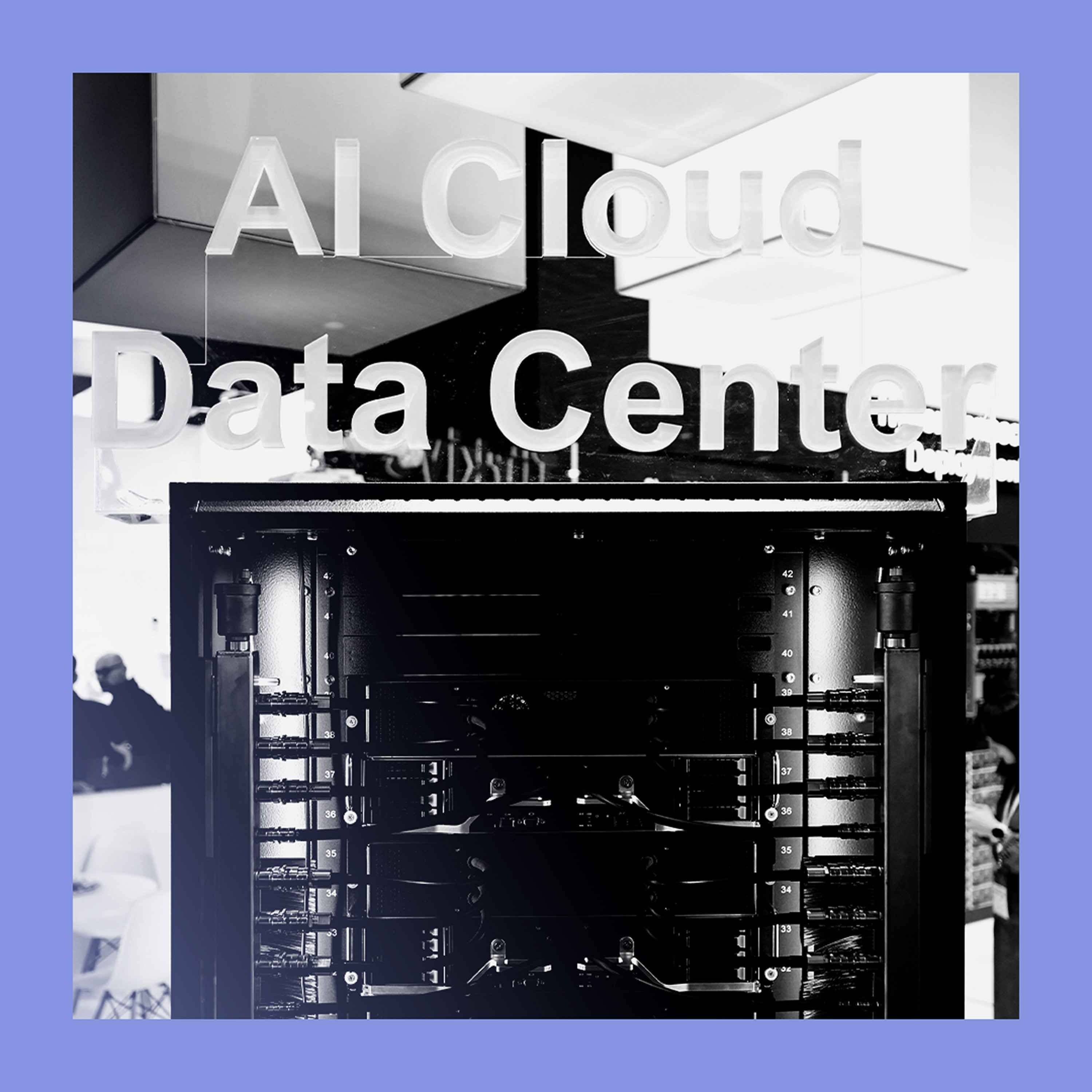
Public announcements for massive new data centers may be "pollyannish." The reality is constrained by long lead times for critical hardware components like power generators (24 months) and transformers. This supply chain friction could significantly delay or derail ambitious AI infrastructure projects, regardless of stated demand.

Companies are abandoning the long-held "just-in-time" optimization model in favor of resiliency. Faced with continuous supply shocks, businesses now see holding larger buffer stocks as a permanent feature, not a temporary bug, accepting higher working capital demands to ensure operational stability.
