Get your free personalized podcast brief
We scan new podcasts and send you the top 5 insights daily.
The host is candid that ads on the free podcast can be annoying, and this is by design. The friction created by ads serves as the primary incentive for users to upgrade to the paid, ad-free premium version. A completely frictionless free experience would disincentivize conversion.

Related Insights
Despite its massive viewership, the 'Yoga with Adrian' channel doesn't use mid-roll ads, as they would interrupt the flow of a practice. This decision to intentionally under-monetize the free channel creates a cleaner, more authentic user experience, which in turn makes the invitation to their paid app more effective.
A podcast's long-term monetization relies on reciprocity. By consistently delivering immense value for free, you build deep trust and a sense of indebtedness in your audience. When you finally make an offer, listeners are eager to "repay" you for the value they've already received, making the sale feel natural and unforced.

The narrative that users hate targeted ads is contradicted by their actions. When Meta offered an ad-free subscription in Europe, only 1% of users opted in. This demonstrates a strong revealed preference for free, ad-supported services, even if the ads are perceived as hyper-targeted.
Many founders mistakenly view freemium as a complete business model. It's actually a top-of-funnel acquisition strategy that replaces marketing spend with a free product to generate leads. The real business model is the subsequent upsell to paid tiers.

The success of X's (formerly Twitter) paid subscription isn't about premium features. Instead, it works by making the free experience significantly less valuable for power users, creating a strong financial incentive for them to pay simply to restore the platform's core utility.

Counterintuitively, a high freemium conversion rate (e.g., 7%) isn't always positive. It may indicate the free plan is too restrictive, failing to build a wide user base that provides network effects, referrals, or a long-term upgrade pipeline. The goal is a broad top-of-funnel, not just quick conversions.

Dan Kohler's Kapo Chronicle newsletter converts over 40% of its list by paywalling every weekly issue. Free subscribers only get a monthly email summarizing what they missed, creating a powerful incentive to upgrade. This challenges the common freemium model where substantial free content is the norm.
By requiring paid subscribers to actively opt into the ad-free podcast experience, The Verge likely capitalizes on user inertia. This allows them to continue serving ads to paying users who don't change their settings, preserving ad revenue while still being able to promote the premium perk.

When the Coppell Chronicle's founder considered adding ads, paying subscribers responded negatively, with some even offering a higher subscription fee to keep it ad-free. This reveals that for a niche audience, an ad-free experience is a core product feature they are willing to pay a premium for.
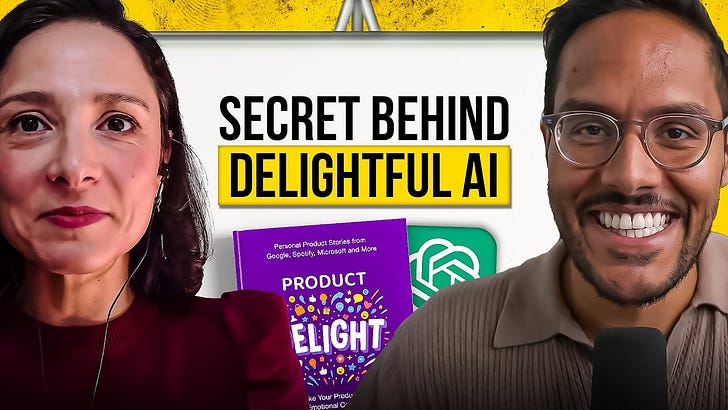
"Anti-delight" is not a design flaw but a strategic choice. By intentionally limiting a delightful feature (e.g., Spotify's skip limit for free users), companies provide a taste of the premium experience, creating just enough friction to encourage conversion to a paid plan.