Get your free personalized podcast brief
We scan new podcasts and send you the top 5 insights daily.
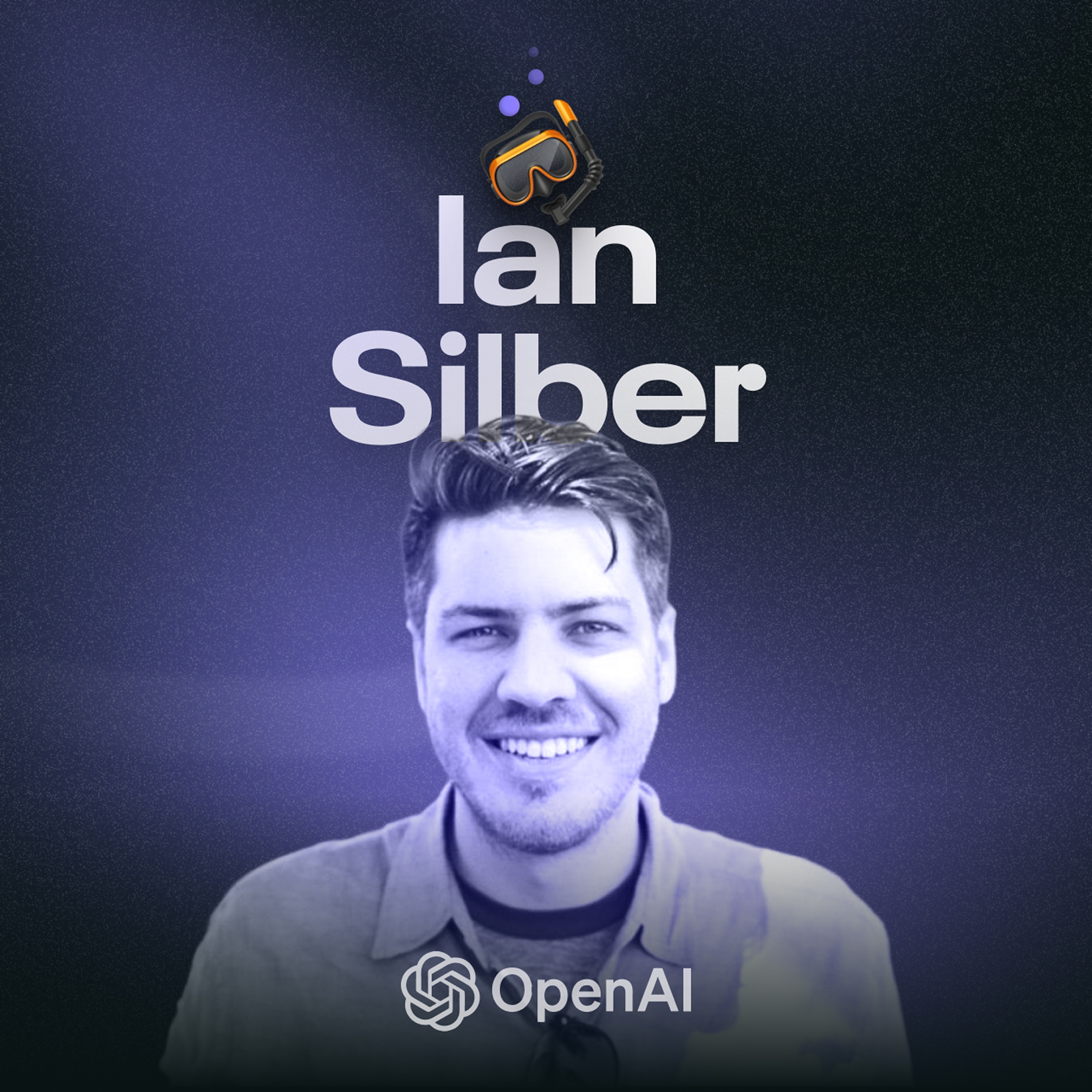
Given the potential global impact of their products, OpenAI screens heavily for humility and genuine belief in the company's mission. They look for designers who are obsessed with user impact and approach the work with a sense of responsibility, not just as a "hot" career move.
Related Insights
To find deeply mission-aligned talent, Anthropic's leadership spends interviews explaining why a candidate shouldn't join, focusing on the hardships and necessary sacrifices. This filters for genuine commitment over superficial interest or hype.

At a research-led company like OpenAI, a designer's role expands beyond packaging existing technology. They must envision what the technology *should* do to solve user problems, thereby setting a vision that helps direct future research and engineering efforts.
To produce work that authentically reflects your brand, you must hire people who inherently embody its ethos. A brand aiming to be a "bold disruptor," for example, cannot achieve its goals by hiring conservative people. Your hiring process is a direct extension and critical reinforcement of your brand identity.
![What is Marketing? With Kory Marchisotto [Uncensored Renegades] thumbnail](https://img.transistorcdn.com/VIH3Rn5ET8-eHQxgBGNydnhXL95pc10_Kq7qTpjezuc/rs:fill:0:0:1/w:1400/h:1400/q:60/mb:500000/aHR0cHM6Ly9pbWct/dXBsb2FkLXByb2R1/Y3Rpb24udHJhbnNp/c3Rvci5mbS9zaG93/LzQ3MzEvMTU3MDAz/MjQ3NC1hcnR3b3Jr/LmpwZw.jpg)
OpenAI's design team doesn't expect candidates to have an AI background, as the field changes too fast. Instead, they look for high curiosity, a willingness to learn new tools, and an aptitude for prototyping. This mindset is more valuable than any specific, soon-to-be-outdated technical skill.

The role of a designer at an AI-native company shifts from traditional interface design to defining success metrics. This involves evaluating the quality and format of AI-generated content and deciding on the heuristics for what constitutes a good output, making it a categorically different job.

In the fast-evolving world of AI, the most valuable trait in a designer is a deep-seated curiosity and the self-direction to learn and build independently. A designer who has explored, built, and formed opinions on new AI products is more valuable than one with only a perfect aesthetic.

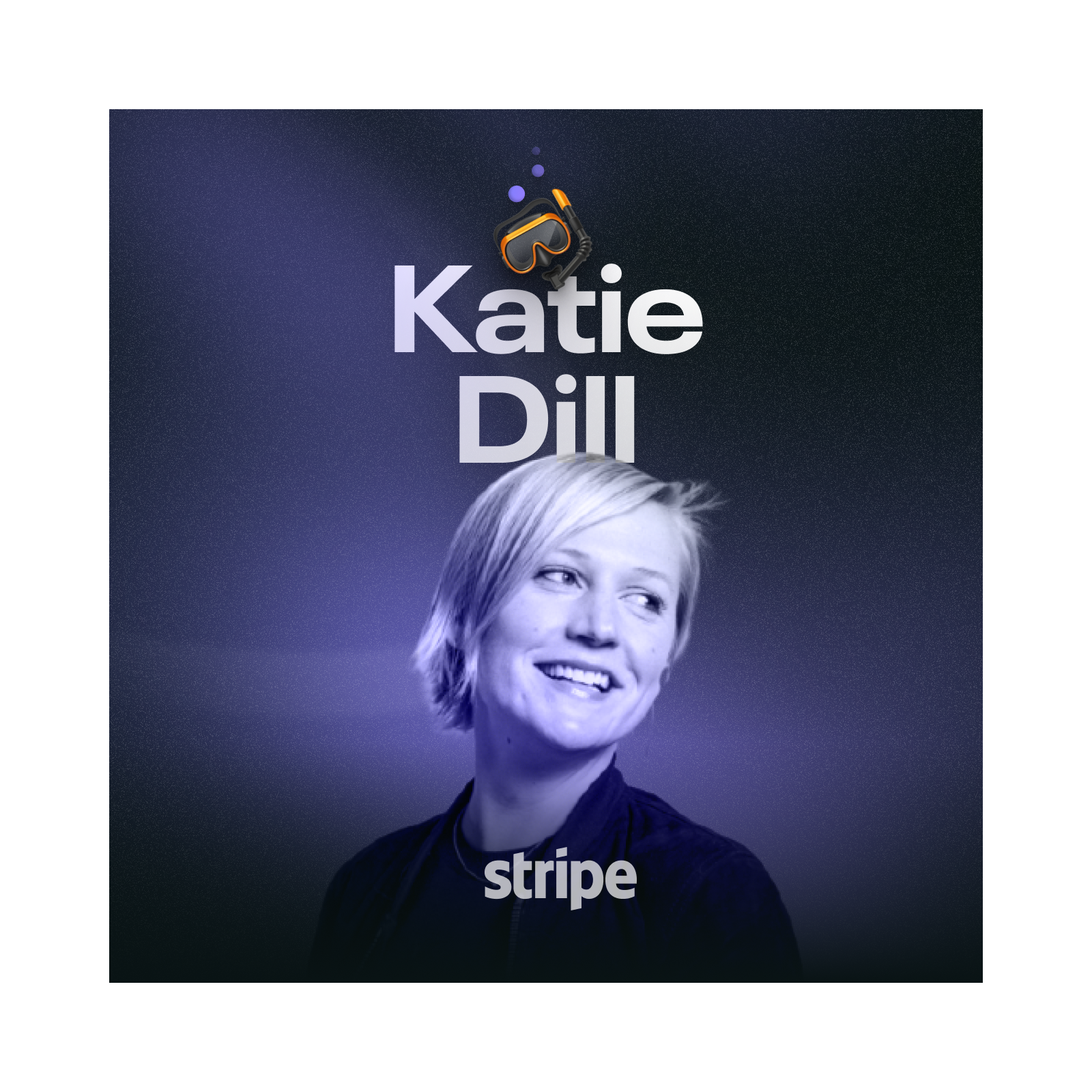
Stripe's hiring criteria have evolved. Beyond craft, they now prioritize two key traits: a deep curiosity about AI's impact and "agency"—the proactive drive to build and experiment without being asked. They look for candidates with a "fire under their belly" who will push the company forward.
Lovable prioritizes hiring individuals with extreme passion, high agency, and autonomy—people for whom the work is a core part of their identity. This focus on intrinsic motivation, verified through paid work trials, allows them to build a team that can thrive in chaos and drive initiatives from start to finish without supervision.

Spacium prioritizes hiring engineers who are obsessed with the mission and embrace a demanding work ethic, not just those with the best technical skills. This focus on a specific mindset is crucial for maintaining the speed and lean culture required for ambitious deep tech ventures.

Top AI labs assess for cultural fit through their values. When interviewing at OpenAI, stories should reflect optimism about AGI ('Feel the AGI'). At Anthropic, however, candidates must demonstrate an understanding of both the positive and negative implications of AI ('Hold Light and Shade'), including how they've mitigated potential harms.