Get your free personalized podcast brief
We scan new podcasts and send you the top 5 insights daily.
The inability of the general public to invest in generational companies like OpenAI creates a societal risk. When a generation feels economically disconnected from major value creation and simultaneously threatened by that same technology, it fosters a negative future for everyone.

Related Insights
History shows that transformative technologies like aviation created immense societal value without concentrating wealth in a few companies. AI could follow this path, with its benefits being widely distributed through commoditization, challenging the multi-trillion dollar valuations of today's leading firms.

Vlad Tenev argues that unlike crypto, which built a powerful grassroots advocacy block through widespread retail ownership, the AI industry is vulnerable to negative sentiment and regulation because it lacks a "retail army" of investors. With no financial stake, the public is more susceptible to fear-based narratives.
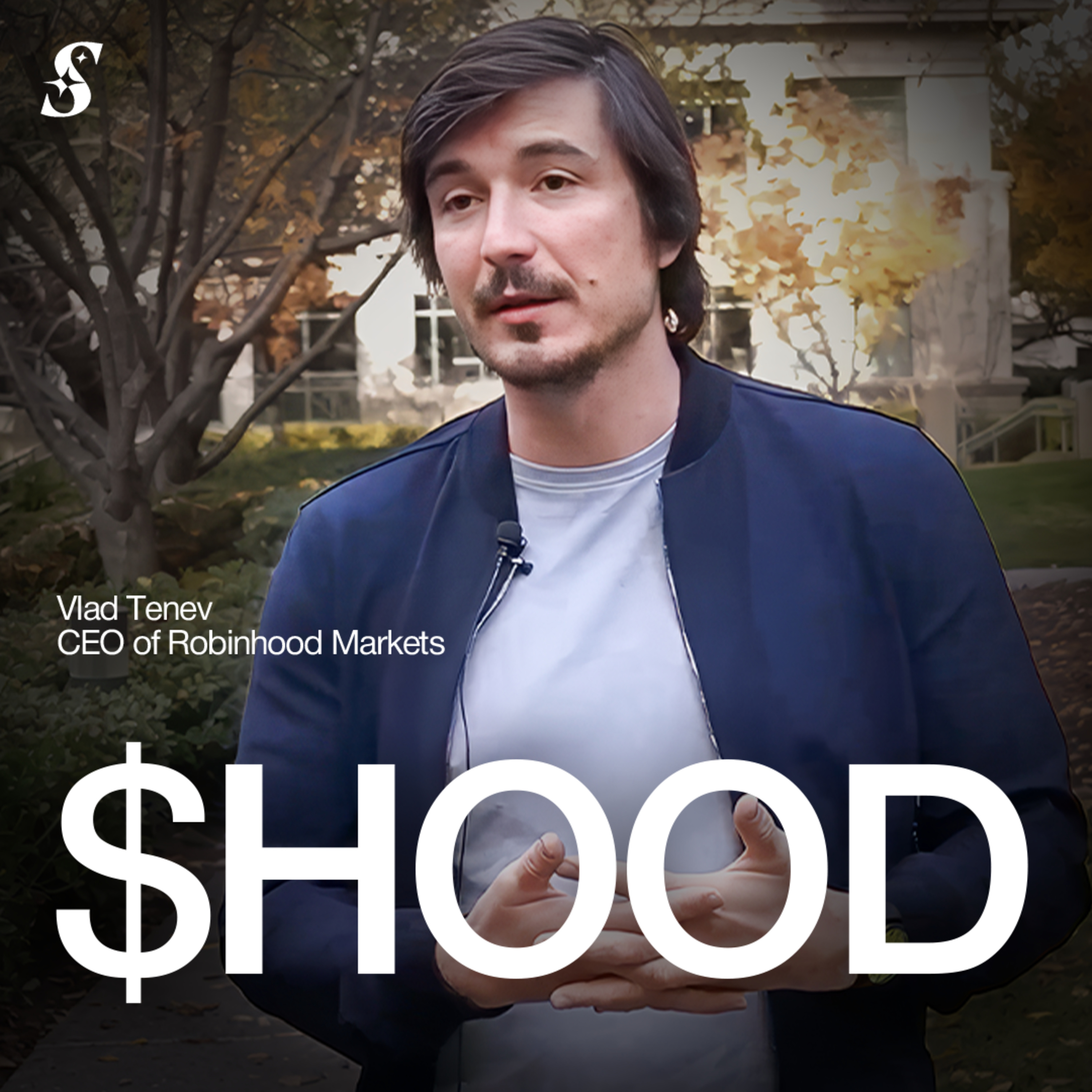
Unlike a decade ago, today's most transformative, high-growth companies like OpenAI and Anthropic are choosing to remain private for longer. This trend concentrates the highest potential returns in private markets, making it difficult for public investors to 'own the future' of technology.
Regulations like the 'Accredited Investor' rule, originally designed to shield small investors from risky ventures, are now perceived as gatekeeping. Retail investors argue these rules don't protect them but instead protect the elite's exclusive access to high-growth, wealth-generating opportunities.
New technologies perceived as job-destroying, like AI, face significant public and regulatory risk. A powerful defense is to make the general public owners of the technology. When people have a financial stake in a technology's success, they are far more likely to defend it than fight against it.

Individual investors buying shares in private AI companies through brokerage platforms are at a significant disadvantage. They are typically last in line behind institutional investors, resulting in higher entry prices and fees, making it a poor strategy for accessing the AI boom.

Beyond its use in warfare or the risk of AGI, Ray Dalio identifies a critical societal risk of AI: it will worsen wealth inequality. It achieves this by replacing jobs while simultaneously driving massive stock market gains concentrated in a very small number of technology companies.
To combat public fear of AI-driven wealth disparity, the tech industry should champion direct equity ownership for all citizens over UBI. Creating a fund like 'Invest America' that gives everyone a stake in major tech companies would align public interest with technological progress, unlike UBI which can strip away purpose.
Companies like SpaceX and OpenAI command massive private valuations partly because access to their shares is scarce. An IPO removes this barrier, making the stock universally available. This loss of scarcity value can lead to a valuation decline, a pattern seen in other assets like crypto when they became easily accessible via ETFs.
An experienced CFO communicating erratically at OpenAI is a symptom of a larger problem. The private market bubble allows companies to become critical to the economy without ever facing the discipline and transparency required of public entities, creating systemic risk.
