Get your free personalized podcast brief
We scan new podcasts and send you the top 5 insights daily.
Her pivotal moment was agreeing to quit a soul-crushing job without a safety net. This act created the mental and emotional space to be creative and receptive to new opportunities, which kickstarted her entire makeup and content career.

Related Insights
Arianne Simone's story illustrates how a devastating setback—being fired from a dream job—was the catalyst that forced her back into entrepreneurship. This detour ultimately led her back to her original passion and the creation of a venture capital fund, showing how career crises can clarify one's true destination.

Pursuing a more fulfilling career doesn't require risking financial ruin. Instead of taking a blind leap, you can vet a new direction by "trying it on"—shadowing professionals, conducting informational interviews, and testing the work in small ways to understand its reality before making a full transition.

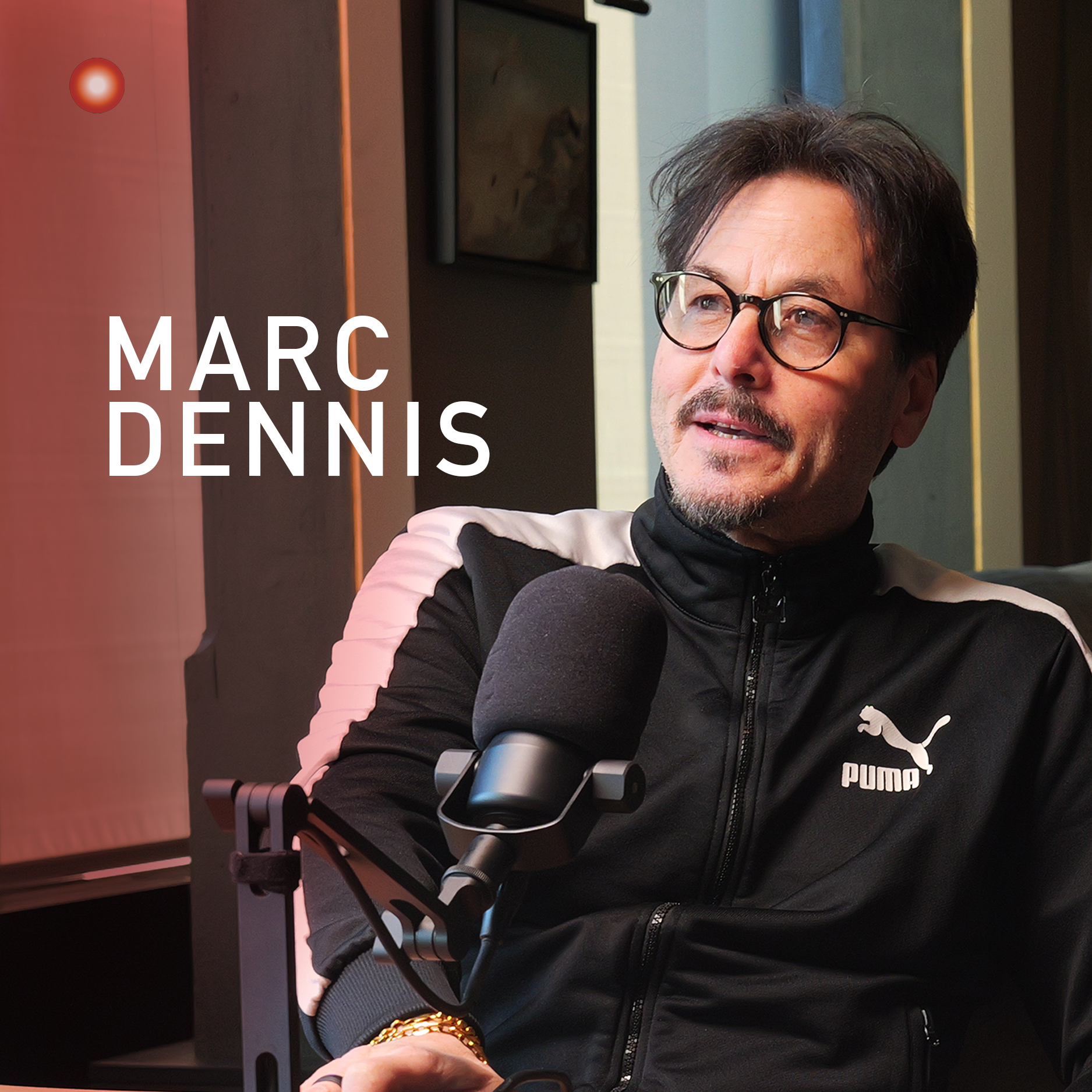
Artist Marc Dennis's career truly took off only after he resigned from a tenured professorship. By removing the security of a "Plan B" and going "all in" on being a full-time artist, he created the necessary pressure and focus to achieve breakthrough professional success.
Facing a dead-end job, Amy Weaver chose to resign without another position lined up, guided by the principle: "First you leap and then you grow wings." This counterintuitive approach of creating a void, though terrifying, can be the necessary catalyst for finding a better opportunity, as it was when Salesforce called two months later.

Even when a job is 99% good, that lingering 1% of unhappiness is a critical signal. VaynerMedia alumnus Tyler Babin left his dream job based on this principle, recognizing that even small discontent can indicate a need for a fundamental shift to pursue true fulfillment.

Major career pivots are not always driven by logic or market data. A deeply personal and seemingly unrelated experience, like being emotionally moved by a film (Oppenheimer), can act as the catalyst to overcome years of resistance and commit to a challenging path one had previously sworn off.

Vivian Tu's viral creator career was unintentionally born from a toxic Wall Street job. A terrible boss forced her to leave, leading to a new role where friends' questions sparked her multi-million dollar brand. Major setbacks can be the unintentional catalysts for your most defining success.

Swisher credits her success to being a "bad employee" who believed she could do things better and make more money on her own. Instead of just complaining about her corporate job, she acted on that conviction, leaving established media to build her own ventures. This mindset transforms dissatisfaction into entrepreneurial action.

Khare reveals that the catalyst for her YouTube career was a fear-setting exercise from "The 4-Hour Workweek" she completed ten years prior. By defining her nightmare scenario (going broke) and outlining repair steps, she demystified her fears and gained the courage to quit her job.

Your next major career direction may not be found through active searching or planning. Instead, it often requires creating intentional, unstructured downtime—a sabbatical or a break—to quiet the noise. This stillness allows your subconscious instincts and true calling to surface definitively.
