Get your free personalized podcast brief
We scan new podcasts and send you the top 5 insights daily.
Companies with currencies built on ambitious narratives must be careful with acquisitions. Buying a traditional, tangible, cash-flowing asset (like AOL buying Time Warner) can break the spell of the narrative. Acquisitions must reinforce the aspirational story, not ground it in boring reality.

Related Insights
The value of assets like SpaceX and Bitcoin is increasingly driven by powerful, reflexive narratives rather than traditional discounted cash flow analysis. An expansive story attracts belief and capital, which in turn helps fulfill the story itself.
OpenAI's acquisition of media company TBPN doesn't make sense for user growth, as ChatGPT's audience is orders of magnitude larger. The rationale is likely strategic: gaining in-house media talent to shape public perception of AI, a technology facing significant public backlash.

The history of Warner Bros. is a pattern of disastrous mergers (Time, AOL, AT&T) driven by CEOs seeking a legacy-defining deal. These acquisitions consistently fail due to culture clashes, overvaluation, and massive debt, ultimately destroying shareholder value for the acquirer.

Companies like Tesla and Oracle achieve massive valuations not through profits, but by capturing the dominant market story, such as becoming an "AI company." Investors should analyze a company's ability to create and own the next compelling narrative.

Unlike the infamous AOL-Time Warner merger where an overvalued tech stock bought a solid media asset, Netflix, a genuinely valuable company, is considering buying a legacy media library at a potentially inflated price. This signals a strategic shift from bubble-currency acquisitions to potentially overpriced consolidation by established tech players.
The SpaceX/xAI merger exemplifies Musk's strategy of valuing companies based on their story and ability to generate investor returns through narrative shaping. This "cult capitalism" prioritizes a compelling vision over traditional financial metrics like discounted cash flow (DCF) to maintain capital flow and momentum.
Perception and storytelling are overriding reality as the primary drivers of value. For investors, this means prioritizing companies with compelling, world-changing narratives (like SpaceX or OpenAI) over those that are simply 'fine businesses,' as the discontinuous upside comes from the power of the story.
An acquisition of Tesla by SpaceX wouldn't be a typical merger; it would be a collision of two powerful, narrative-driven assets. Investors and the market must then decide which narrative is stronger, as the value of the combined entity depends on which story subsumes the other.
A recurring pattern shows that companies acquiring Warner Bros. (AOL, AT&T, Discovery) ultimately fail, saddled with debt and regret. The Ellison family is betting they can break this historical curse, despite the media industry's massive transformation and the asset's track record of destroying its owners.
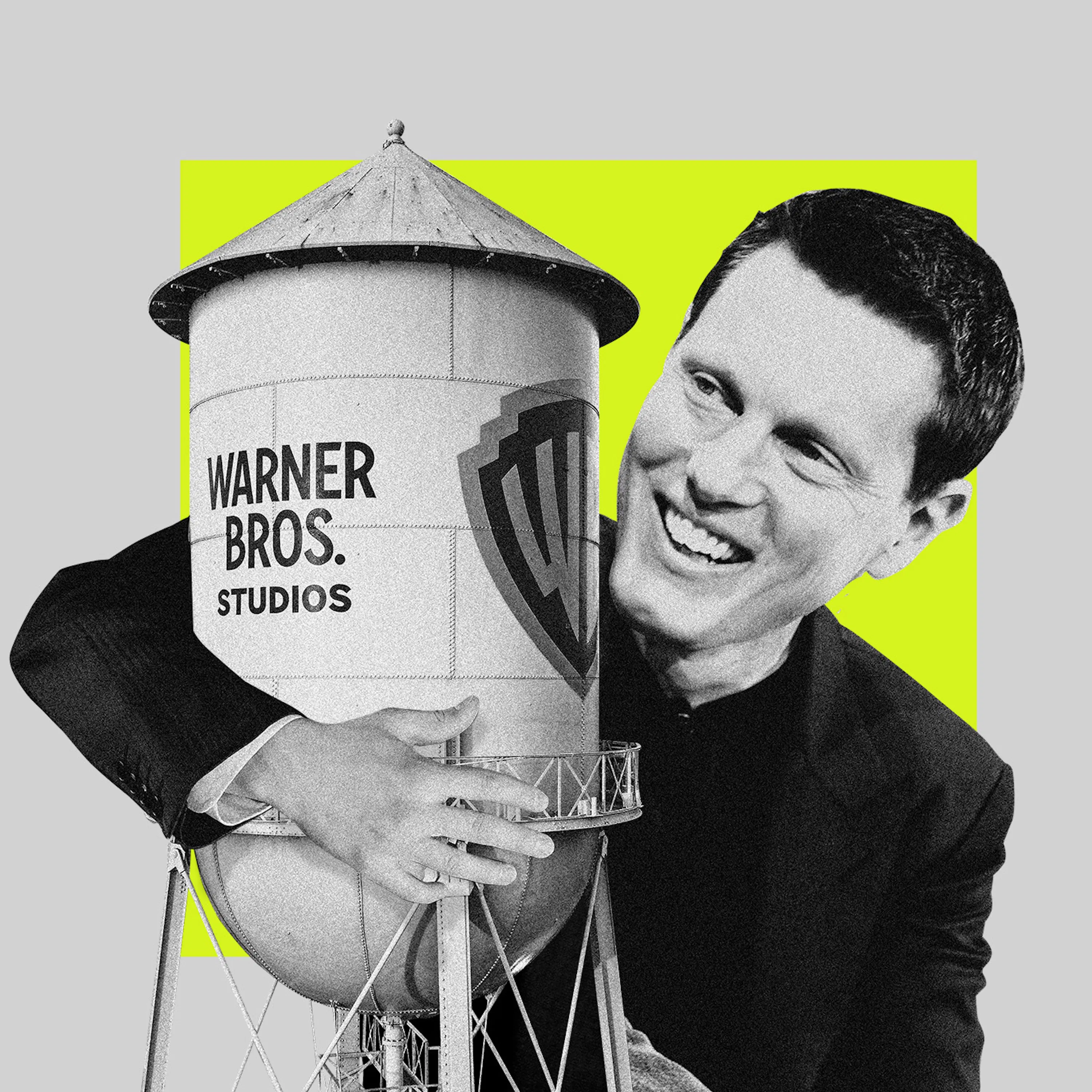
From AOL to AT&T and now Discovery, Time Warner's mergers have consistently destroyed shareholder value while enriching executives. This pattern highlights a systemic issue in media M&A where deals serve management's financial interests over the company's long-term health.
