Get your free personalized podcast brief
We scan new podcasts and send you the top 5 insights daily.
Venture capital firm Sofinnova prioritizes hiring experienced pharma operators, even those with zero investment background. These experts provide invaluable hands-on guidance on drug development and commercialization to portfolio companies, contributing to a high rate of FDA product approvals.

Related Insights
To solve the critical challenge of hiring expensive, specialized talent, Curie.Bio offers its portfolio companies access to a 100+ person team of elite "drug makers" on a fractional, at-cost basis. This provides world-class expertise on demand without the burden of full-time payroll, de-risking early development.

To prevent losing top scientific talent to administrative roles, the "Venture Catalyst" model pairs a scientist-founder with a dedicated business team. This allows the scientist to remain in the lab, focused on research, while the experienced partners handle finance, legal, and daily management.
![Solving Antimicrobial Resistance, Vaccines, Antibiotics | Immunethep 🇵🇹 | E55 [Sponsored] thumbnail](https://d3t3ozftmdmh3i.cloudfront.net/staging/podcast_uploaded_episode/38602414/38602414-1775472100828-2b361bd18cd64.jpg)
A healthcare-focused hedge fund founder explains his edge comes from assessing a biotech's operational and commercial viability, not just its financials. Factors like payer pressure and launch readiness, often overlooked by traditional analysts, provide a more accurate prediction of a drug's market success.
Beyond accelerators, pure investors, and traditional company builders, this new VC model provides "hardcore primary data generation drug making support." It involves a team of 10+ experts engaging with a startup multiple times per day, offering an intensity of operational involvement that other models lack.
The biotech venture model is built on syndication, not competition. As a drug progresses, capital requirements balloon to hundreds of millions for late-stage trials, far exceeding any single VC's capacity. This structural reality forces firms to co-invest and partner throughout a company's lifecycle.
A biotech investor's role mirrors that of a record producer by identifying brilliant talent (scientists) who may lack commercial experience. The investor provides the capital, structure, and guidance needed to translate raw scientific innovation into a commercially successful product.

A primary strategy for early-stage investment is partnering with entrepreneurs with a successful track record, often from previous portfolio companies. VCs will back a person they trust, like a former Chief Scientific Officer or a repeat founder, valuing proven execution experience sometimes even more than a nascent scientific concept.

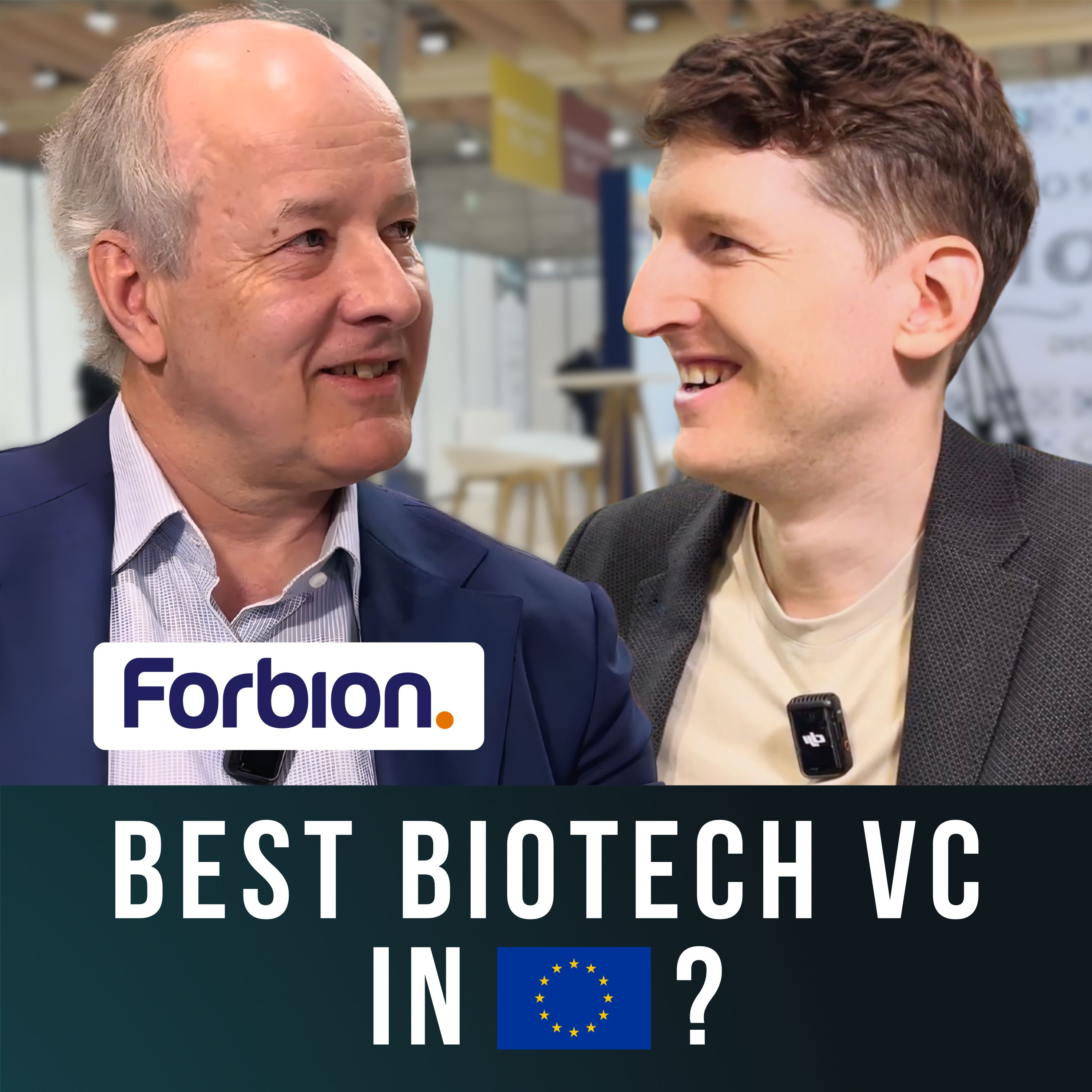
Forbion's success stems from its diverse team, which goes beyond typical MDs and PhDs. By integrating partners with backgrounds in banking, physics, and finance, the firm evaluates deals holistically—assessing not just the science but also deal structures, risk mitigation, and exit strategies like M&A and IPOs.
Jeito's investment strategy focuses on taking significant equity stakes in companies with early clinical data. This allows them to secure a board seat and actively influence strategy. They differentiate themselves by providing portfolio companies with access to a deep network of in-house experts in regulatory affairs, commercialization, and business development, acting as a true operational partner beyond just capital.
Europe's strong science is often held back by a lack of serial entrepreneurs, difficulty in raising follow-on funding, and a localized competitive view. Curie.Bio’s model directly counters these issues by providing an experienced drug-making team, a clear funding path, and an embedded global market perspective.