Get your free personalized podcast brief
We scan new podcasts and send you the top 5 insights daily.
Major innovations often aren't about inventing new components, but about cleverly integrating existing, mature technologies into a unified product. This was true for Netscape's browser and Bitcoin, and will likely be true for the first successful network states, which will combine crypto, VR, and community platforms.

Related Insights
Current digital communities in WhatsApp or Discord are primitive because they are one-dimensional—they only support chat. The next evolution of community platforms will integrate multiple dimensions, such as native crypto, VR spaces, and tools for organizing physical meetups, directly into the experience.
The internet was designed for human interaction, actively discouraging bots. The next evolution will reverse this, with AI agents becoming the primary users. This requires re-architecting everything from user interfaces to business models, with crypto likely serving as the native payment rail for these autonomous agents.

AI and crypto are not competing but are parallel, complementary forces reshaping business. While AI revolutionizes company creation and internal operations, Internet Capital Markets (powered by crypto) are fundamentally rewriting the external functions of capital formation, trading, settlement, and ownership for this new generation of AI-native companies.

A consistent pattern shows innovators adopting the models of legacy players they displaced. YouTube creating cable-like bundles, Coinbase mirroring traditional banks, and Facebook becoming new media illustrates a natural lifecycle where disruptors eventually converge with the industries they set out to revolutionize.

History and technology are not inevitable. Specific individuals in key moments can change an industry's entire trajectory. Ben Horowitz cites how one engineer at Netscape, Kip Hickman, created SSL, securing the open internet against proprietary control.
The paradigm shift with crypto is not about trusting a new entity like a developer. Instead, it eliminates the need for interpersonal trust by allowing anyone—especially competing businesses—to verify the system's integrity through open-source code.

Consumer innovation arrives in predictable waves after major technological shifts. The browser created Amazon and eBay; mobile created Uber and Instagram. The current AI platform shift is creating the same conditions for a new, massive wave of consumer technology companies.

Blockchains have evolved like computer architecture. Bitcoin was a single-purpose, incentivized P2P network. Ethereum introduced programmability, akin to the shift to general-purpose computers (von Neumann architecture). The current era of L2s focuses on scalability and specialization.
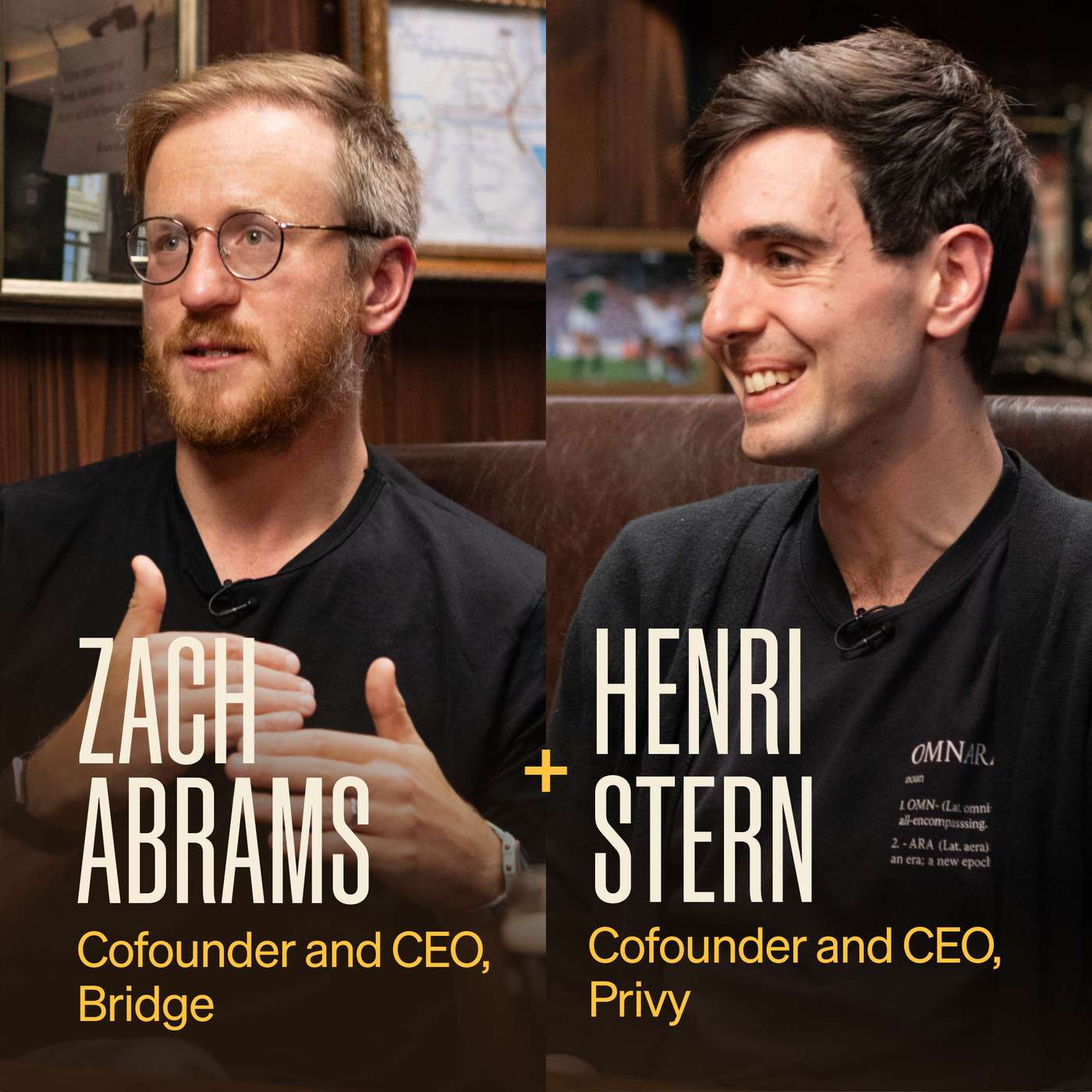
Multicoin's central thesis is that crypto's ultimate purpose is creating "Internet Capital Markets"—the ability to trade any asset, from anywhere, 24/7, via any software. This broad vision of permissionless, programmable finance is seen as the most significant long-term impact of blockchain, destined to supersede more niche consumer applications or "Web3" concepts.

The next evolution in fintech is a single, unified platform where users can leverage one pool of capital to trade seamlessly across equities, crypto, and prediction markets. This eliminates the friction of managing separate accounts and KYC processes for different asset classes.