Get your free personalized podcast brief
We scan new podcasts and send you the top 5 insights daily.
A major downside of an exit is the need to redeploy the proceeds. Mike Weistrack averaged a 45% return building businesses; after taxes, finding new investments to match that "alpha" is incredibly difficult. This is a powerful argument for holding onto a successful business and letting it compound.

Related Insights
Some companies execute a 3-5 year plan and then revert to average returns. Others 'win by winning'—their success creates new opportunities and network effects, turning them into decade-long compounders that investors often sell too early.

Contrary to the instinct to sell a big winner, top fund managers often hold onto their best-performing companies. The initial 10x return is a strong signal of a best-in-class product, team, and market, indicating potential for continued exponential growth rather than a peak.

The temptation to switch to a shiny new opportunity ignores the significant head start you've built. Even if the new venture grows faster initially, you lose years of compounded knowledge and progress, leaving you behind where you would have been by sticking with it.

Instead of starting from scratch, a common strategy for successful founders is to use their exit capital to acquire existing, profitable businesses. By sticking to industries they already know, they can apply their specific expertise to grow established companies, mimicking Warren Buffett's investment philosophy.
Investors often focus on losses, but the biggest financial mistakes come from selling compounding winners like Costco too early. This happens when short-term IRR calculations, heavily dependent on unpredictable exit multiples, overshadow the long-term value of a great business.
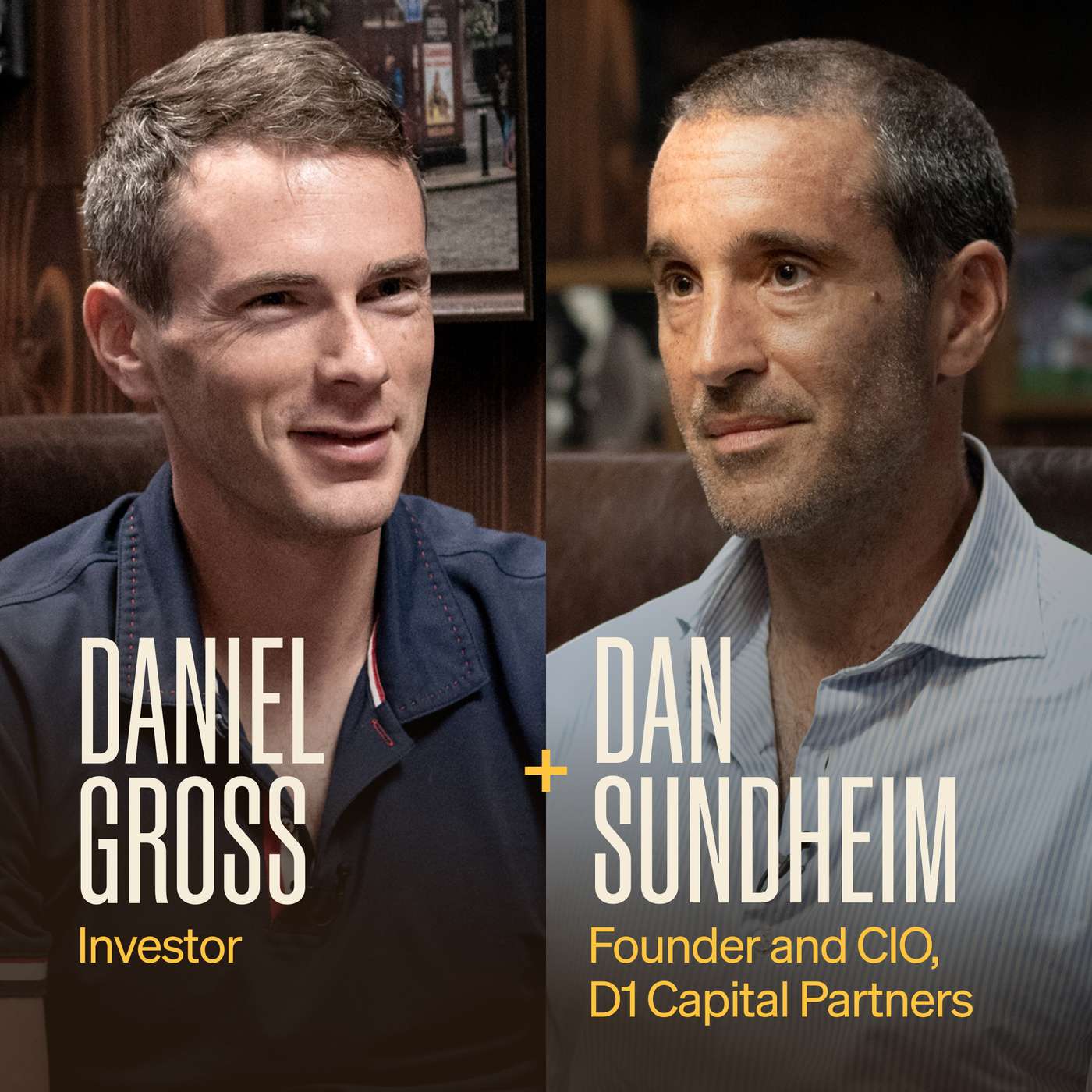
Investors fixate on selecting the right companies, but the real money is made or lost in the decision of when to sell or hold a winning position. The timing of an exit can create a 100x difference in outcomes. Having a disciplined approach to portfolio management and liquidity is more critical to fund performance than the initial investment choice.

The allure of a "better" opportunity is deceptive. By switching, you abandon years of accumulated experience and momentum. Growth is easier when you're established, meaning a new venture, even if growing faster initially, will likely never catch up to your existing trajectory.
A founder's net worth can be in the hundreds of millions, yet their personal cash flow is minimal as everything is reinvested. This reality underscores that 'there's no money in operations' for most founders; wealth is only realized upon selling the company.

Instead of a complete sale, founders should consider selling a small portion of their company. This provides significant liquidity—often enough to de-risk their life—while allowing them to continue building, compounding value, and avoiding the post-exit identity crisis and capital redeployment problem.
A 12% growth company is preferable to a 12% shareholder yield company because it minimizes "decision friction." High-growth businesses allow investors to hold for the long term, deferring capital gains taxes and eliminating the constant pressure to find new investments. High-yield stocks often require selling and redeploying capital, creating tax events and reinvestment risk.
