Get your free personalized podcast brief
We scan new podcasts and send you the top 5 insights daily.
When asked for leadership reading, James Daunt bypasses business bestsellers and recommends classic fiction. He argues that novels like 'Middlemarch' delve into the complexities of human nature—rivalry, jealousy, relationships—which better equips leaders to understand and manage their teams.

Related Insights
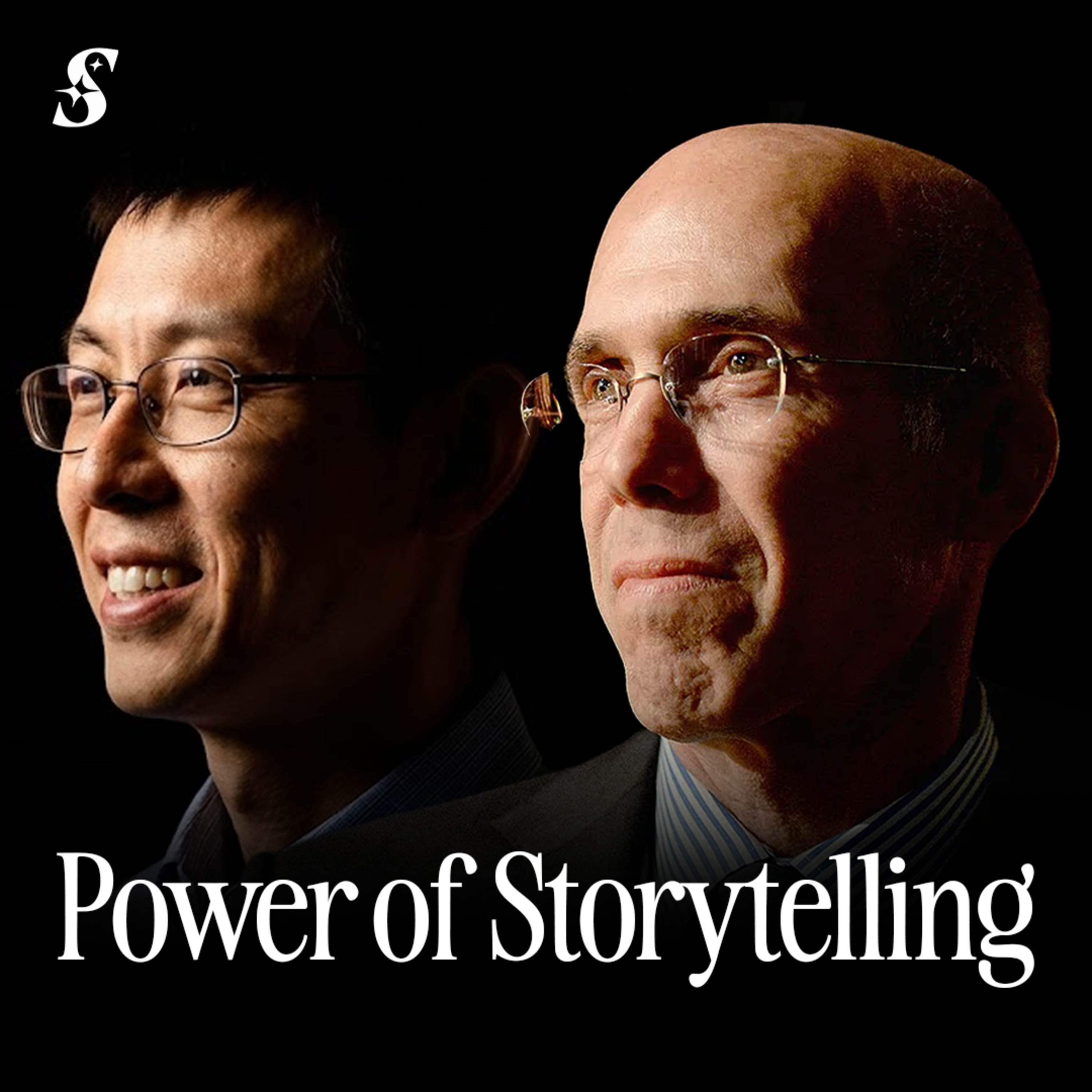
DreamWorks co-founder Jeffrey Katzenberg argues that successful businesses are built on compelling narratives. Storytelling is essential for recruiting top talent, securing investment, and acquiring customers, making it a foundational skill for any leader, not just a creative department's job.
Ben Horowitz argues most management books are useless because they present leadership as a simple, rational process, like a cookbook. They fail to address the emotional turmoil and situational pressures—like firing half your staff due to your own mistakes—which is the actual hard part of the job.

Leaders who primarily read non-fiction for actionable takeaways often master the 'what' and 'how' but neglect the 'why.' Reading fiction is a powerful tool to develop a deeper understanding of human nature, emotion, and purpose—essential components of effective leadership that data-driven analysis can miss.

Don't just read the latest business bestsellers. To develop true judgment, read old books that have stood the test of time on topics you know nothing about (e.g., Roman history, biographies). Time filters out noise, providing pure signal and building diverse mental models for decision-making.

To improve your writing, don't just read business books. Consuming genre fiction like romance, erotica, or sci-fi is highly effective. These genres are masters of storytelling and creating vivid mental pictures, skills that directly translate to more compelling marketing copy, articles, and professional communication.

B&N's CEO argues that in bookselling, qualitative judgment is superior to quantitative data for creating an inspiring store. Data might show board books sell well, but over-allocating space to them creates a poor customer experience. True curation involves making judgments that sometimes run counter to the data.
Compilations of 'best books' are often an exercise in social posturing. Readers and critics select canonical works like 'Middlemarch' to project an intellectual image, overshadowing the genre fiction that may be more widely read and enjoyed. These lists are biased by ego and the desire to be seen a certain way.

As an introverted CEO, James Daunt's authority comes not from charisma but from deep domain expertise and a shared identity with his employees. Having been a bookseller for decades, he is "of their tribe." This authentic connection proves that introverts can lead effectively from the "backseat."
Treat your company like bespoke clothing that needs constant adjustment as it grows. The leadership team at Applied Intuition reads books together and discusses them to force reflection on their current practices and decide what needs to change for the next stage of growth.

Reading fiction builds cognitive empathy—the ability to understand *why* someone thinks differently without having to emotionally sympathize. This skill, exemplified by Sherlock Holmes, is a superpower for negotiation and leadership, allowing for perspective-taking without emotional baggage.
