Get your free personalized podcast brief
We scan new podcasts and send you the top 5 insights daily.
The best work often emerges from happy accidents and unexpected detours, not by rigidly following an initial plan. Rick Rubin's work with Johnny Cash shows that the 'demo' or experiment can become the final product if you remain open to what the process reveals.

Related Insights
An effective creative process embraces dualities rather than viewing them as mutually exclusive choices. A creator must learn to be both destructive and constructive, reverent and casual, messy and organized. Your unique style is defined by how you strike a balance between these conflicting forces.

Artist Michelle Rial finds her creativity dries up when she focuses too hard on producing work. Her best ideas emerge from living life, observing the world, and processing her experiences. Creativity requires input from real life, not just scheduled output.

Both Rubin and Jobs shared the ability to see a finished product in their minds before it was built. They believed these products always existed, and their job was simply to discover them and then work backward to bring them into reality.

The act of working through a project over time is where the best ideas are discovered. Shortcutting this tedious process with AI might produce a result faster, but it will likely be far worse because it skips the essential journey of discovery and transformation.

Instead of rigidly sticking to a preconceived idea, allow the chosen tool to guide the creative process. This "two-way street" often leads to unexpected "happy accidents" and a final product that's more interesting and refined than the original plan, sometimes even simplifying the scope.

Overly structured workflows, like those in traditional TV production, can stifle creativity. The key is to allow for flexibility and avoid locking into a rigid formula. The creative process is messy and unpredictable, and a great outcome often requires embracing that lack of a defined process.

Professional creatives don't wait for a muse; they use a disciplined process. It starts with absolute clarity on the message, followed by wide ideation, refinement and combination, and finally, the discipline to kill lesser ideas to elevate the best one.

The creation of "Something Just Like This" wasn't a formulaic process; Chris Martin described the ideas as being "sent down from above." This suggests that the best creative work often emerges from an open, receptive state rather than a rigid, analytical one, especially after periods of unstructured effort.

The hit song "Something Just Like This" only came together after four hours of unproductive ideation and Martin leaving the studio. This shows that creative persistence is key; the breakthrough often happens unexpectedly after a period of seemingly fruitless effort, requiring trust in the process.
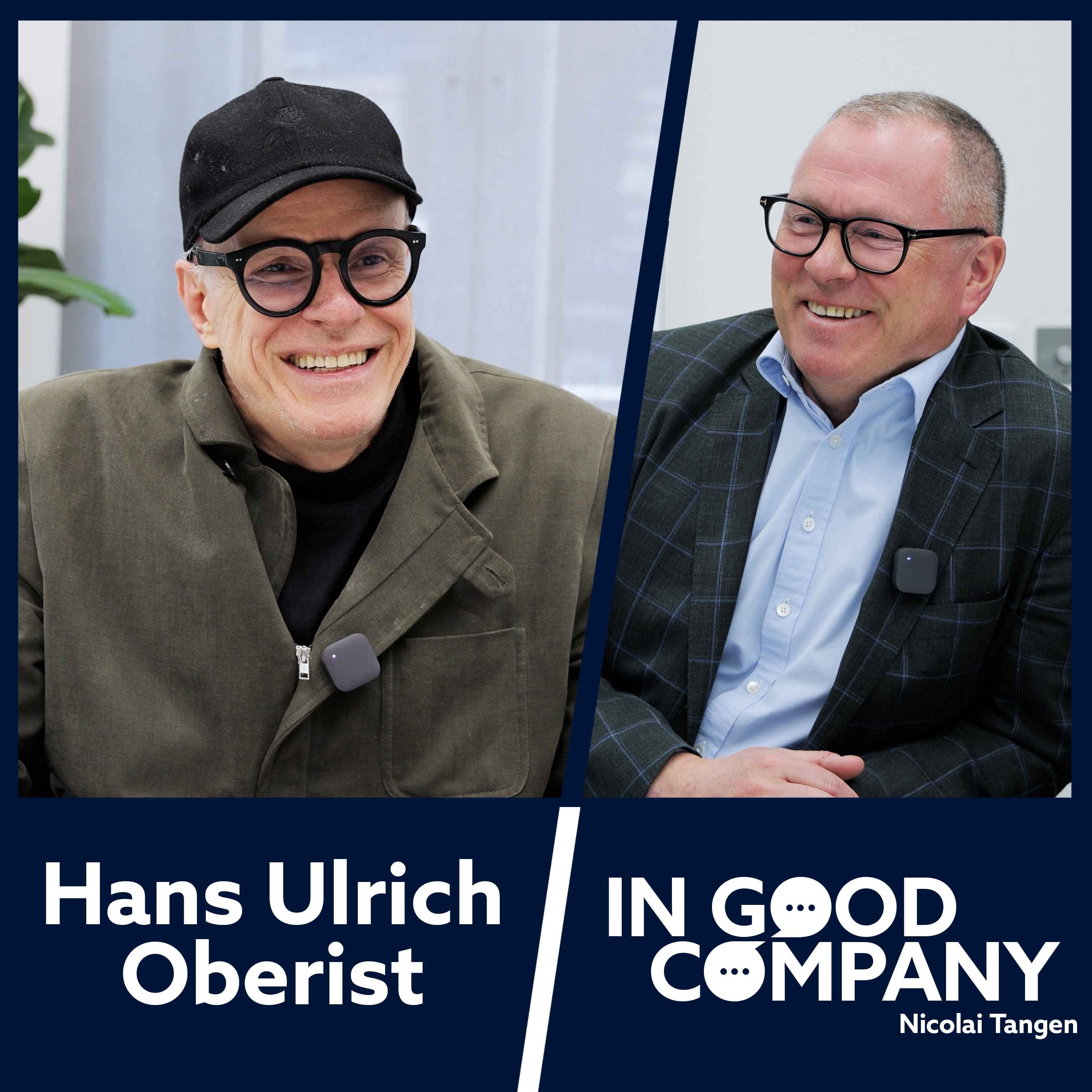
Obrist argues against rigid master plans for creative projects. Instead, he advocates for embarking on a journey into the "unknowable," staying open to surprises and chain reactions. This allows serendipity to guide the project toward more innovative and unexpected outcomes.