Get your free personalized podcast brief
We scan new podcasts and send you the top 5 insights daily.
An HSBC analyst argues Eli Lilly's significant revenue from patients paying cash for obesity drugs is a major vulnerability. This direct-to-consumer market is highly sensitive to economic downturns, contrasting with the common view that this channel is a key strength.

Related Insights
Despite its first-mover advantage, Novo Nordisk lost its lead in the weight-loss drug market by failing to recognize its consumer-driven nature. While it planned a traditional pharma launch, competitor Eli Lilly adopted a direct-to-consumer model, treating the drug like an e-commerce product and capturing the market.

The direct-to-consumer channel exploded for Eli Lilly with Zepbound. The drug was a perfect fit because the diagnosis is simple, efficacy is easily measured by the patient, and it allows motivated self-pay customers to bypass insurance friction.
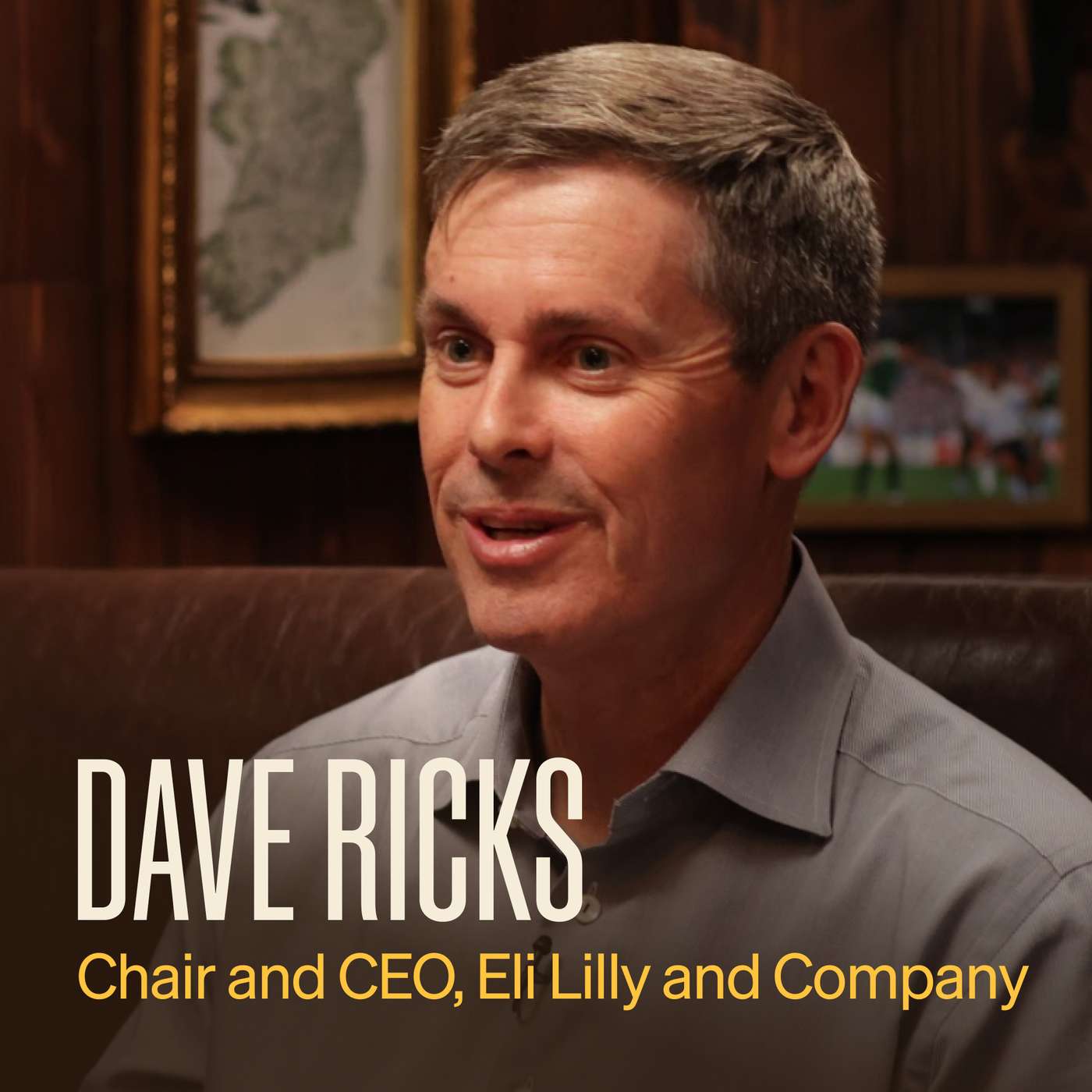
The two pharma giants are competing aggressively in the direct-to-consumer channel. They're cutting prices on their GLP-1 drugs, anticipating that lower costs will drive significantly higher volume and sales in the long run, even if it hurts short-term revenue forecasts.
The imbalance between rising drug development costs and financially strained public health systems is unsustainable. Novo Nordisk's CEO believes this will inevitably lead to a global trend of increased patient cost-sharing through cash channels and high co-pays, moving beyond traditional insurance models.
Eli Lilly and Novo Nordisk's DTC programs for weight loss drugs give employers an alternative to point employees towards, providing cover to drop expensive insurance coverage and potentially reducing access for patients who rely on it.
The emergence of low-cost, compounded versions of GLP-1 drugs from telehealth companies like Hims is creating significant pricing pressure on market leaders Novo Nordisk and Eli Lilly. This dynamic has pushed the pharma giants toward direct-to-consumer models with lower prices to compete.
The long-held belief that solving obesity would create immense wealth is now validated by Eli Lilly's $1T market cap, driven by its GLP-1 weight-loss drugs. This marks a significant shift, as the trillion-dollar club was previously dominated by tech and oil companies.

A surprising driver of the burgeoning global obesity drug market, projected to hit $20 billion outside the U.S., is that it's almost entirely cash-pay. Consumers in countries like the UK are willing to spend hundreds of dollars per month out-of-pocket, demonstrating strong demand independent of traditional reimbursement systems.

Eli Lilly’s astronomical growth is also a forecasting challenge. The company significantly undershot its own sales projections, with its CEO admitting the obesity market is a unique "learning experience." This highlights that demand for GLP-1 drugs represents not just market capture, but the creation of an entirely new, rapidly expanding, and unpredictable market.
As pharma companies build direct-to-consumer (DTC) channels for high-demand drugs, large employers see an alternative. This could motivate them to drop insurance coverage, shifting costs to individuals and paradoxically reducing overall access despite the new DTC option.