Get your free personalized podcast brief
We scan new podcasts and send you the top 5 insights daily.
The global belief in an advanced Martian civilization was sparked by a linguistic error. Italian astronomer Schiaparelli described "canali" (natural channels), but it was translated into English as "canals," which implies artificial construction. This single word choice shifted perception and fueled decades of speculation.

Related Insights
Loeb warns against the scientific heuristic that 'if it looks like a duck, it's a duck.' He argues that an advanced technological object could mimic natural phenomena, like a car creating a dust cloud similar to an animal. Relying on superficial resemblance could cause us to miss signs of intelligence.

Percival Lowell's intelligence didn't prevent his flawed theory; it made him better at defending it. Instead of accepting contrary evidence, he used his intellect to construct elaborate rationalizations, demonstrating that intelligence can be a tool for self-deception, not just a path to truth.
Avi Loeb compares comet experts to AI systems trained only on icy rocks, reflexively interpreting any new object as such. He argues they must expand their mental 'training dataset' to include technological possibilities to avoid misidentifying artificial objects, like NASA did with a Tesla Roadster.
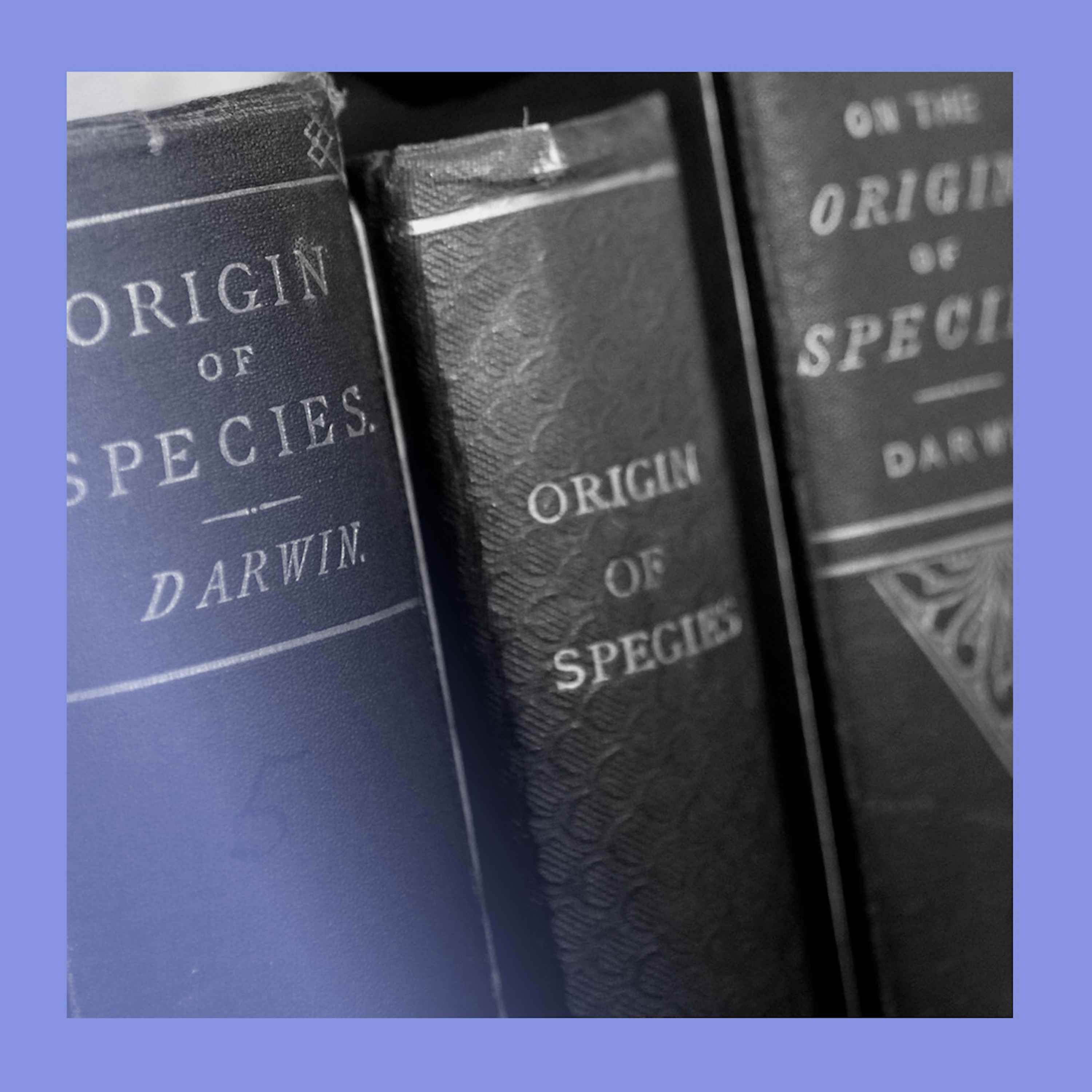
The popular perception of Galileo challenging religious dogma has a greater cultural impact than the specific, nuanced arguments in his actual writings. A book's power can derive from what people believe it represents, even if they've never read it or misunderstand its contents.
The "Mars craze" wasn't just scientific curiosity. It was a projection of hope during a time of intense social and economic turmoil. People were drawn to the idea of a morally superior civilization that had achieved global cooperation, reflecting a deep desire for solutions to Earth's problems.
The human brain resists ambiguity and seeks closure. When a significant, factual event occurs but is followed by a lack of official information (often for legitimate investigative reasons), this creates an "open loop." People will naturally invent narratives to fill that void, giving rise to conspiracy theories.
The new, powerful telescopes of the late 19th century were not yet good enough to show Mars clearly, but just powerful enough to reveal indistinct features. This intermediate level of technology created optical illusions, leading astronomers' brains to "connect the dots" and perceive canals where none existed.
Contrary to expectations, the widespread belief in intelligent Martian life did not cause a crisis of faith. Instead, religious leaders seamlessly incorporated the idea, arguing it amplified God's glory by showing His creation extended to other worlds. This demonstrates the profound adaptability of established belief systems.
The Harry Potter character Draco Malfoy became an unofficial symbol for China's Year of the Horse because his last name sounds like the Mandarin words for "fortune and horse." This demonstrates how accidental linguistic overlaps can create powerful, unexpected viral marketing moments for global brands.

The shared root of "spell" (magic) and "spell" (orthography) reveals a historical belief that language is inextricable from magic. Ancient cultures believed that to say something—like "let there be light"—was to conjure a physical change in the universe.
