Get your free personalized podcast brief
We scan new podcasts and send you the top 5 insights daily.
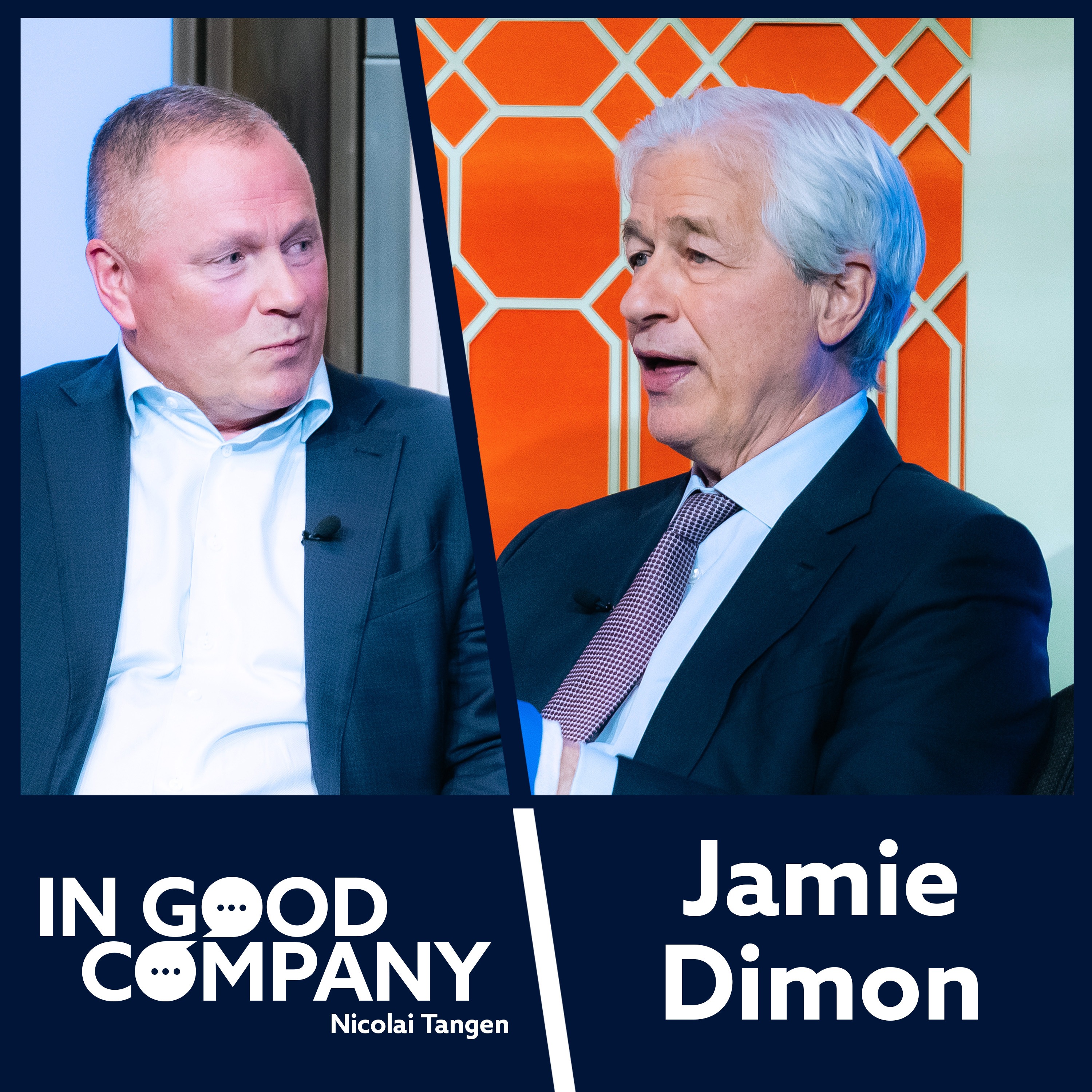
Dimon dismisses economic downturns as cyclical and temporary, comparing them to "the weather." He argues the most significant long-term threat is geopolitical fragmentation, believing the fracturing of Western alliances could lead to a future historians might call "how the West was lost."

Related Insights
JPMorgan CEO Jamie Dimon highlighted Turkey as a case study where political pressure to cut interest rates led to a collapse in confidence and crippling 80% inflation. This demonstrates that a central bank's independence from politics is critical for maintaining economic stability.
Modern global conflict is primarily economic, not kinetic. Nations now engage in strategic warfare through currency debasement, asset seizures, and manipulating capital flows. The objective is to inflict maximum financial damage on adversaries, making economic policy a primary weapon of war.

Jamie Dimon rejects conventional risk models that test for modest downturns (e.g., a 10% market drop). He forces his team to model for catastrophic, 'worst ever' events to truly understand and prepare for tail risk, which 'undresses how much risk people are taking.'
The true 'mega risk' is not a single policy but a fundamental shift in the US global role. The post-1945 global economic system, including free trade and dollar dominance, has been built on a foundation of US security and leadership. If that leadership is withdrawn, the entire international order could change fundamentally.

Geopolitical flare-ups are not random events but the result of decades of policy decisions. They often coincide with the tail end of global economic expansion, serving as a critical macro indicator that a cycle is turning.
The traditional relationship where economic performance dictated political outcomes has flipped. Now, political priorities like tariff policies, reshoring, and populist movements are the primary drivers of economic trends, creating a more unpredictable environment for investors.
The post-Cold War era of stability is over. The world is returning to an 'Old Normal' where great power conflict plays out in the economic arena. This new state is defined by fiscal dominance, weaponized supply chains, and structurally higher inflation, risk premia, and volatility.

We are in a distinct global conflict that is economic, military, and strategic. Major world powers are actively competing for control of essential resources like precious metals and energy, shifting the economic landscape away from a normal cycle towards a long-term, secular trend of deglobalization and conflict.
A senior market leader is most concerned about under-discussed risks. Specifically, a prolonged conflict in the Middle East and the unsustainable growth rate of US public debt, which could destabilize rate markets, are viewed as greater threats than popular topics like AI or private credit.

Lagarde draws a stark parallel between today's technological advances (AI) and global fragmentation and the 1920s, a period that preceded a major financial crisis and a world war. She urges policymakers to learn from history to avoid repeating catastrophic outcomes.