Get your free personalized podcast brief
We scan new podcasts and send you the top 5 insights daily.
Abdul El Saeed's Democratic primary win in Michigan, a key battleground state, suggests that far-left platforms are gaining traction beyond traditional liberal strongholds. This challenges the notion that such candidates can only succeed in deep-blue areas and indicates a broader ideological change within the party's base.

Related Insights
Democratic victories in Virginia and New Jersey were secured by centrists with CIA and Navy backgrounds. This strategy allowed them to compete on traditionally Republican turf like patriotism and national security, providing a blueprint for winning in contested areas without leaning on progressive platforms.
Governor Hochul interprets the growing appeal of democratic socialism not as an ideological shift, but as a direct result of economic frustration. She believes it stems from a generation's anger over the soaring cost of living and the feeling that traditional milestones like homeownership are unattainable.

Democrats flipping legislative seats in deeply Republican areas of Florida, including the district covering Mar-a-Lago, are more than just local victories. They represent a significant leading indicator that voter frustration with Republican policies and candidates is creating unexpected opportunities for Democrats across the country.

The debate over the Texas Senate race highlights a crucial lesson for Democrats: winning requires selecting the "right person for the right race." This prioritizes candidates whose profiles fit the local electorate over nationally recognized figures who might energize the base but alienate crucial swing voters in a general election.

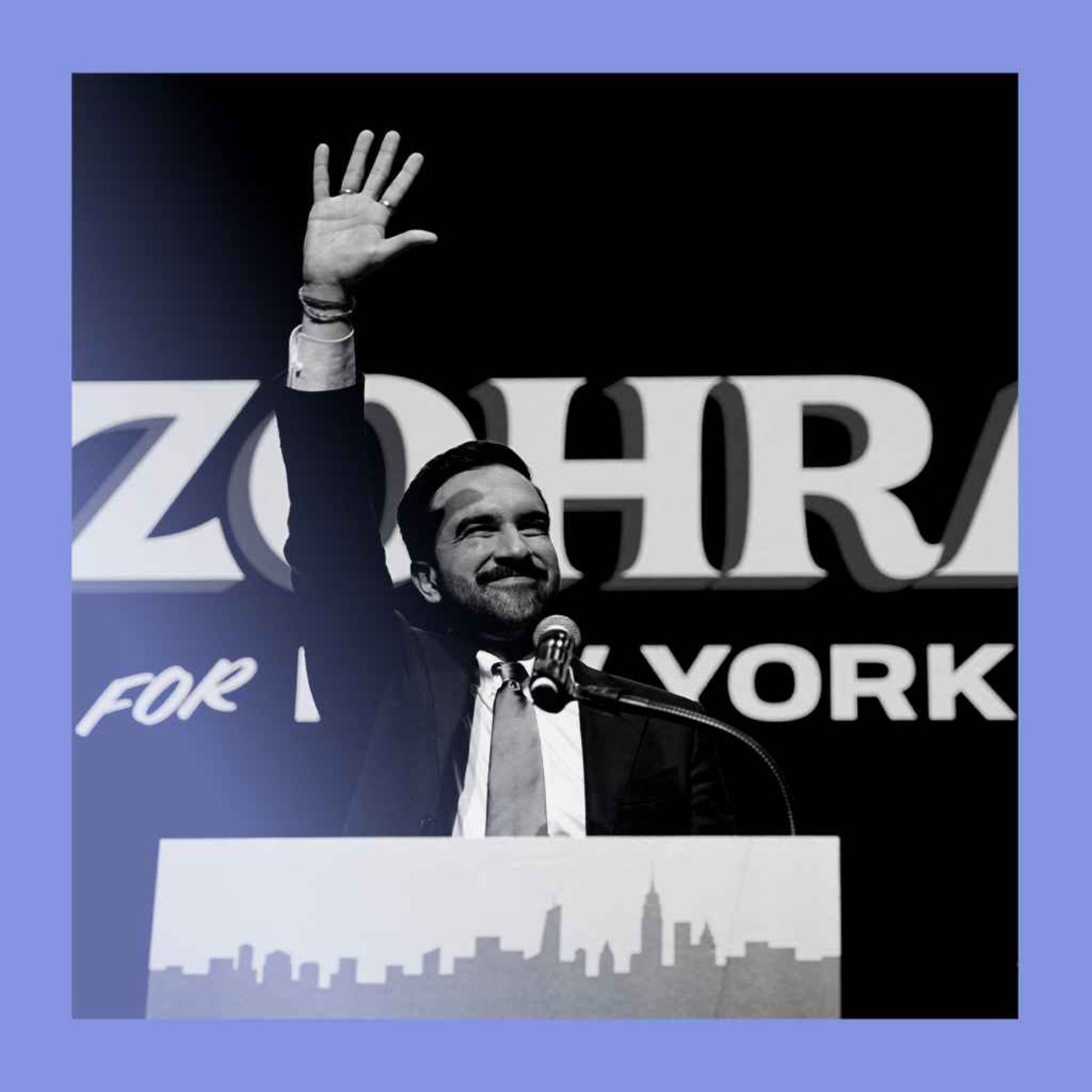
The success of progressive candidate Momdani in New York stems from his singular focus on the city's unaffordability crisis. While other candidates emphasized crime, Momdani tapped into the core anxiety of voters who feel they can no longer afford to live there, signaling a shift in urban voter priorities.
Talarico's victory speech explicitly targeted the "unchecked power" of billionaires, framing the political battle around economic inequality. This class-focused messaging shows a path for Democrats to energize voters and win in states like Texas.
The Democratic party isn't monolithic. It comprises three key groups: the progressive Left (AOC), the pro-market/good governance "Abundance Libs" (Ezra Klein), and the partisan establishment "Resistance Libs" who are Gavin Newsom's core constituency. Understanding these divisions is key to predicting future primary outcomes.

The success of progressive candidates like Abdul El Saeed in primaries provides a distorted view of what is electable nationally. This dynamic, where a passionate base pushes for less popular policies, is reminiscent of how the Tea Party movement created general election challenges for Republicans by selecting more extreme candidates.
A new, informal caucus of liberal senators, dubbed the 'Fight Club,' is challenging the party's establishment leadership. Rather than demanding resignations, they are pushing to back candidates who directly challenge corporate interests and party orthodoxy. This internal movement signals a deep, strategic battle for the party's future soul and direction.

The conventional wisdom that moderate candidates are more electable is a myth. Elections are won by turnout, not by appealing to the median voter. A polarizing figure who excites their base will often win by a larger margin than a moderate who fails to generate enthusiasm.
