Get your free personalized podcast brief
We scan new podcasts and send you the top 5 insights daily.
The concept of an AI 'loop' is an evolution, not a revolution. It applies traditional, time-tested automation triggers—such as scheduled cron jobs or event-driven webhooks—to initiate and control modern AI agents, providing a familiar foundation for developers.
Related Insights
Rather than complex orchestration, Anthropic's Boris Cherny relies on a simple `/loop` command, which uses cron to schedule recurring agentic tasks. He uses dozens of these loops for everything from auto-rebasing PRs to clustering user feedback, suggesting simplicity is key for powerful agentic workflows.
For critical, time-sensitive agent tasks, don't rely on platform-native "heartbeat" functions which can be unreliable or non-deterministic. Instead, use standard cron jobs to guarantee repeatable execution at precise intervals, ensuring your agent acts predictably and reliably.

The new frontier of interacting with AI agents involves creating systems that automate the prompting process. Users design "loops" that continuously prompt, check the output against a goal, and re-prompt the agent, turning their job into that of a system designer.

The most sophisticated loops don't execute all work in a single thread. Instead, a primary agent identifies sub-tasks and instantiates new, specialized "sub-agents" to handle them autonomously. This creates a powerful, scalable hierarchy of automation.
Claude's new "Routines" feature allows developers to trigger actions on a schedule or via webhooks. This elevates the tool from a manual assistant to an integrated component for automating recurring tasks, embedding it deeper into complex development and business workflows.
Vercel's CTO Malte Ubl notes that durable, resumable workflows are not a new invention for AI agents. Instead, they are a fundamental computer science concept that has been implemented ad-hoc in every transactional system, from banking in the 70s to modern tech giants, just without a standardized abstraction.

Instead of focusing on complex technical workflows, design loops by outlining a specific job to be done for an agent, just as you would when onboarding a new human employee. This managerial mental model simplifies the design process and makes it more accessible.
The 'Channels' feature in Claude Code represents a shift from agents that pull data via APIs to agents that can react to external events pushed to them. This allows for proactive AI assistants that can respond in real-time to CI failures, monitoring alerts, or webhook payloads without constant polling.

The real value of AI agents is unlocked when they operate without constant manual prompting. By putting agents on a recurring 'cron schedule,' you can create a fully autonomous team that performs tasks like research, content creation, and data analysis while you sleep, fundamentally changing your workflow.
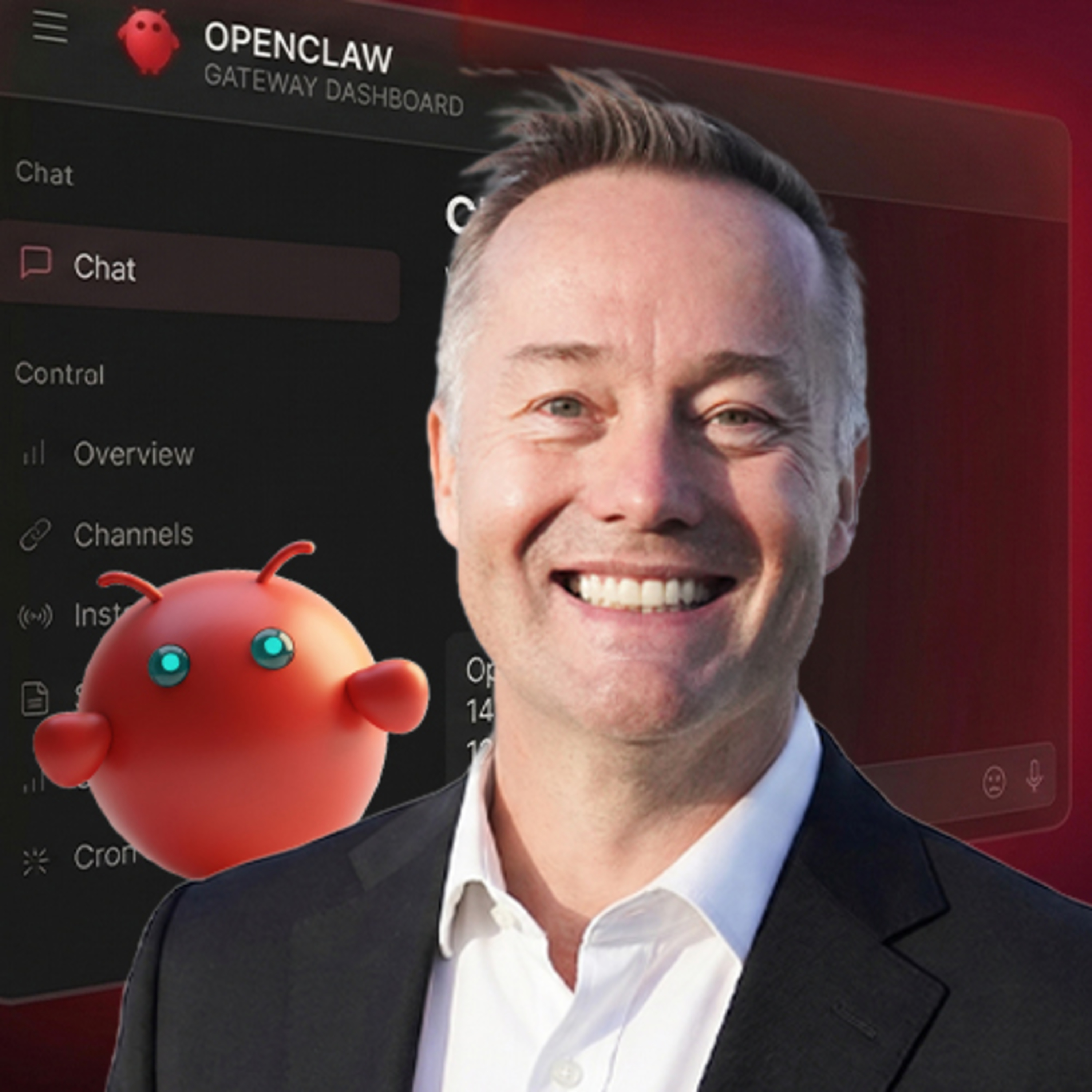
The operational core of powerful AI agents is a simple, robust combination of time-based triggers (cron jobs) that execute tasks defined in detailed instruction sets (Markdown files, or "skills"). This mental model demystifies agent architecture and makes it more accessible.