Get your free personalized podcast brief
We scan new podcasts and send you the top 5 insights daily.
Soaring demand for high-bandwidth memory (HBM) for AI has created a supply bottleneck, allowing chip makers like Micron to quadruple prices. This has led to an enormous transfer of wealth, making them the primary financial beneficiaries of the AI boom while model providers bear the costs.

Related Insights
The demand for HBM memory for AI is causing a global shortage because of a ~4:1 manufacturing trade-off: each bit of HBM produced consumes capacity that could have made four bits of standard DRAM. This supply crunch will raise prices for all electronics, from phones to PCs.

Large AI and cloud companies secure memory via long-term deals, leaving traditional hardware makers to compete for the scarce remainder. This dynamic threatens production shortfalls and price hikes for everyday consumer electronics like PCs and smartphones, which could see supply deficits of 15% and 12% respectively.

The growth of AI is constrained not by chip design but by inputs like energy and High Bandwidth Memory (HBM). This shifts power to component suppliers and energy providers, allowing them to gain leverage, demand equity, and influence the entire AI ecosystem, much like a central bank controls money.
The surging profits of memory chip makers like Micron are not new wealth creation, but a direct transfer of cash from AI companies. AI labs absorb soaring component costs while pricing their services for user acquisition, leading to huge losses for them and record profits for their hardware suppliers.

The market is rewarding companies selling scarce AI resources (power, memory, GPUs) as they can raise prices and expand margins. Conversely, the hyperscalers buying this shortage face multiple compression as their capex soars and ROI on each dollar declines, creating a clear divide between winners and losers.

The investment mania has moved beyond AI model providers. The new game for savvy investors is identifying and backing the next inevitable supply chain constraint—like memory chips or data center cooling—which will profit regardless of which AI software company ultimately wins.

Unlike typical tech cycles where suppliers and customers thrive together, the current AI boom sees semiconductor companies capturing value while their customers (hyperscalers, model builders) incur massive losses. This unsustainable dynamic suggests a future market correction.

Contrary to the historical boom-bust cycle of memory chips, Micron's new long-term, high-margin contracts show that major AI players are locking in supply for years. This suggests the AI buildout is causing a sustained, structural shift in hardware demand, not just a temporary, cyclical spike.

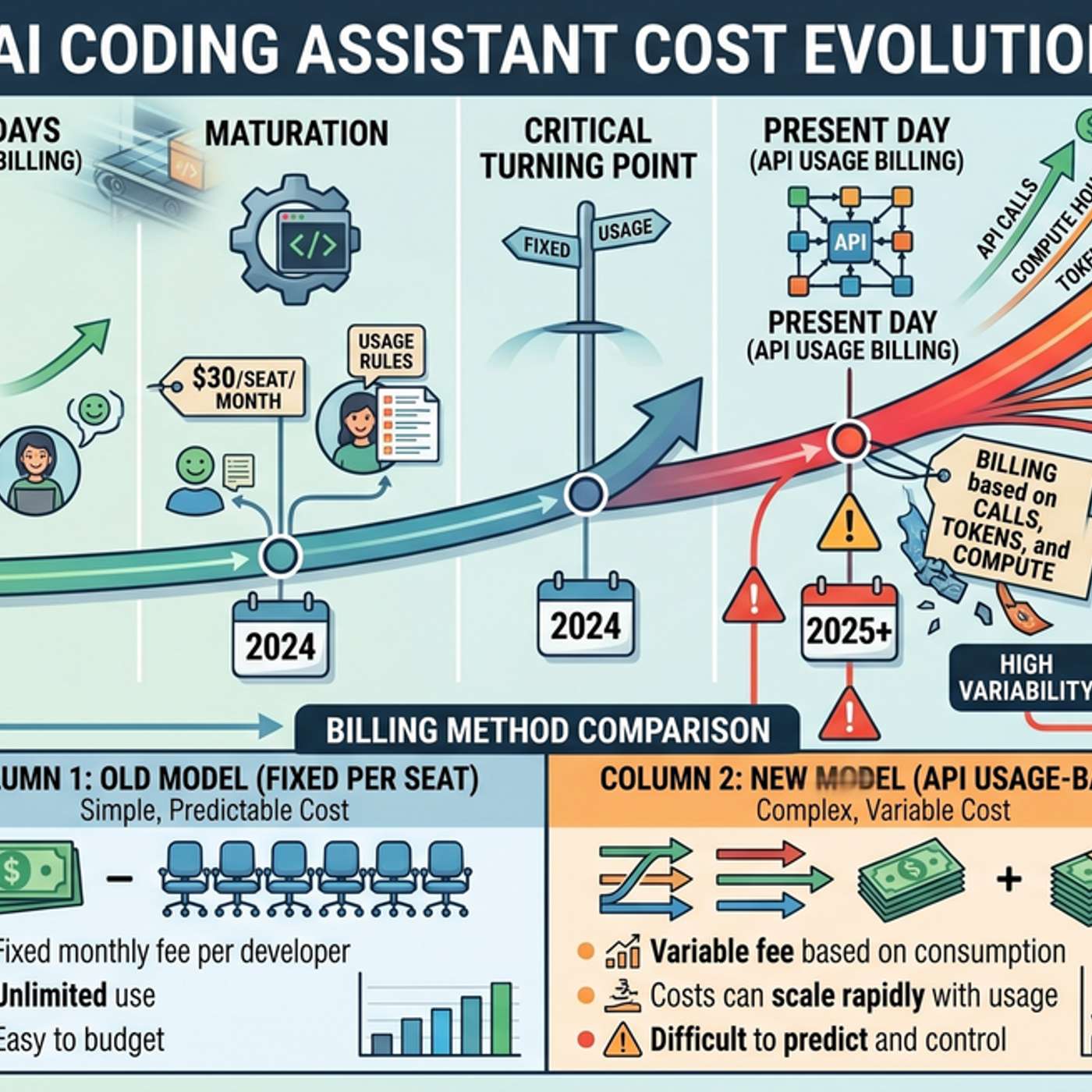
Rising AI API costs are not merely a vendor strategy but a direct result of real-world bottlenecks. These include surging electricity prices for data centers, a structural shortage of high-bandwidth memory (HBM), and constrained hardware supply chains, which are fundamentally altering the cost basis for AI compute.
Despite record profits driven by AI demand for High-Bandwidth Memory, chip makers are maintaining a "conservative investment approach" and not rapidly expanding capacity. This strategic restraint keeps prices for critical components high, maximizing their profitability and effectively controlling the pace of the entire AI hardware industry.