Get your free personalized podcast brief
We scan new podcasts and send you the top 5 insights daily.
CEO Michael Metzger views the high-risk, capital-intensive clinical development phase as a "project" focused on investment and milestones. The organization only transitions into a "business" at the key turning point of drug approval and commercial launch. This mental model helps manage resources and expectations through the long, uncertain pre-commercial journey.

Related Insights
While the CEO of Transgene aspires to launch their product independently in Europe, he acknowledges the immense cost of a Phase 3 trial. A partnership with a large pharmaceutical company is viewed as the most realistic "best case scenario" to accelerate development and de-risk the final, most expensive stage.
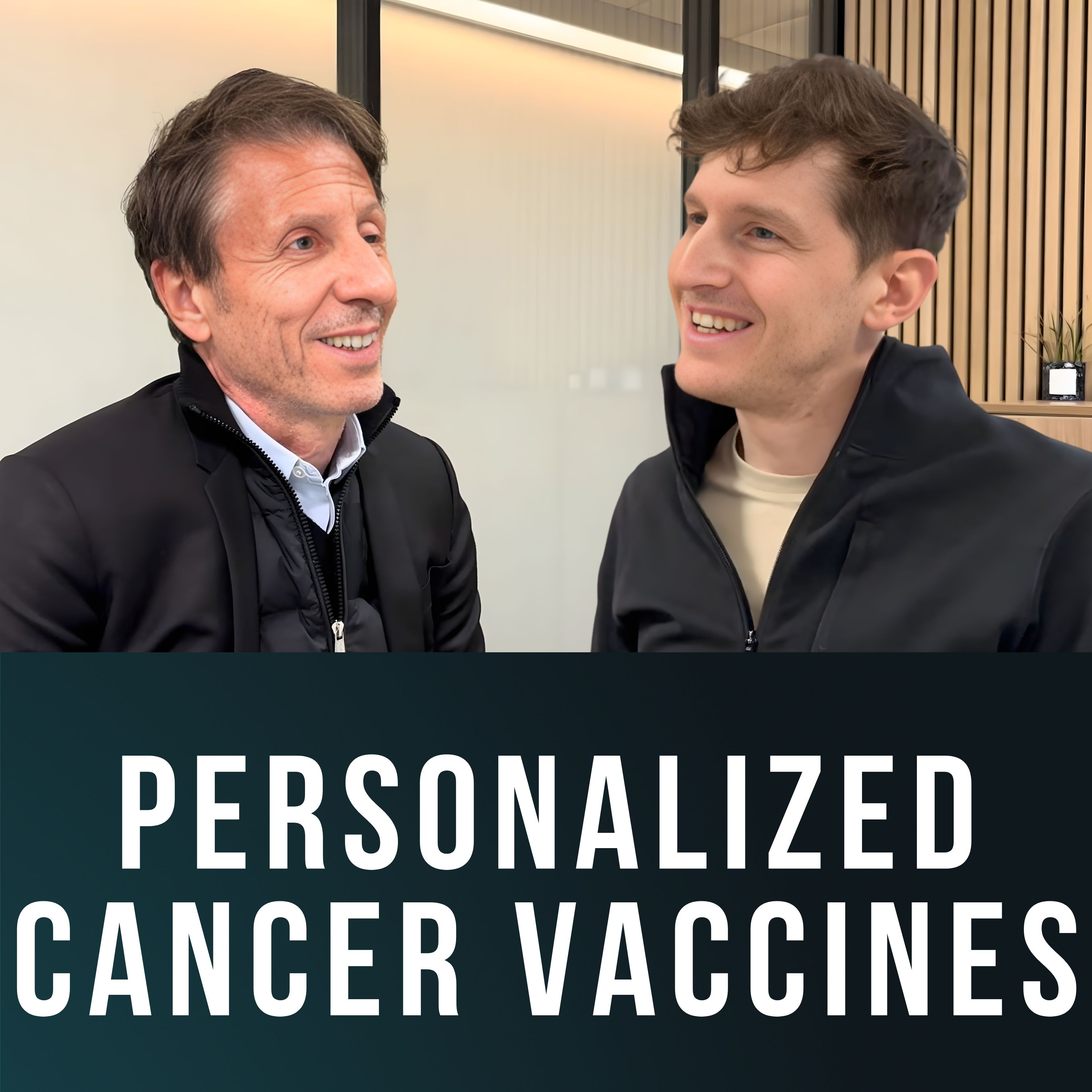
Sana CEO Steve Harr actively questions whether the company's groundbreaking science can translate into a scalable, commercially viable therapy. This internal pressure focuses the team on solving not just the scientific challenges ("does it work?"), but also manufacturing ("can you scale it?") and the commercial model required for a true cure.
The CEO of NervGen explicitly states his goal is to commercialize their spinal cord injury drug independently, not to position the company for an acquisition. This long-term, mission-driven focus on getting a drug to market shapes strategic decisions and contrasts with a common build-to-sell mentality in biotech.

The CEO frames commercial readiness not as a future state post-approval, but as a current identity. This mindset emphasizes that building the team, strategy, and infrastructure for a launch is a multi-year process that defines the company's present operations, not just its future ambitions.
In biotech, early data is often ambiguous. Instead of judging programs on potential, leaders must prioritize based on the time and capital required to reach a clear 'yes' or 'no' outcome. Indefinite 'gray zone' projects drain resources that could fund a winner.

Beyond simple headcount growth, a biotech's culture must fundamentally shift as it matures. Moving into clinical trials requires a new focus on patient safety and regulation, while commercialization introduces intense pressure for compliance and revenue generation.

Drug development can take a decade, a timeframe that misaligns with typical investor horizons and employee careers. Success requires navigating fluctuating capital market cycles and implementing strategies to retain key scientific talent for the long haul.
Despite having a cash runway through the end of its pivotal study, Complement's CEO emphasizes that a leader is 'never not raising money.' This approach allows the company to operate from a position of strength, focusing on execution while opportunistically checking the market temperature and planning for the next phase without financial pressure.
The path for biotech entrepreneurs is a long slog requiring immense conviction. Success ("liftoff") isn't just a clinical trial result, but achieving self-sustaining profitability and growth. This high bar means founders may need to persevere through years of market indifference and financing challenges.
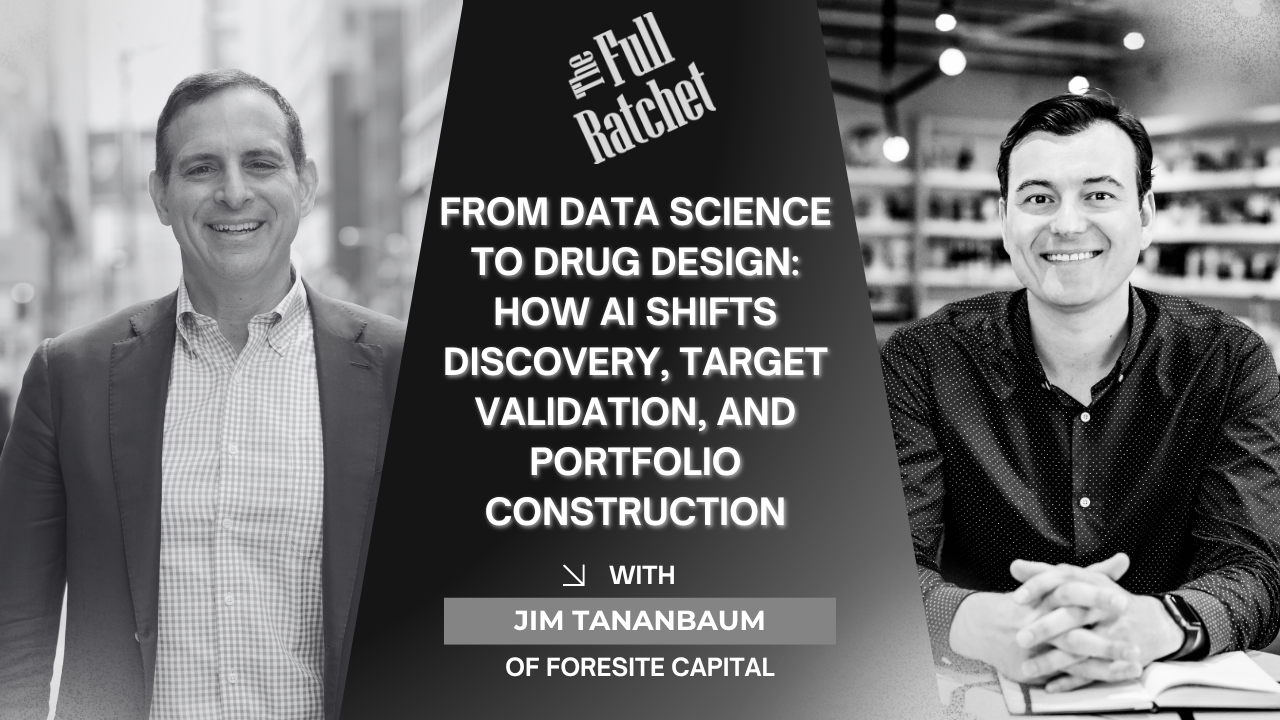
Tosh Butt describes his move from AstraZeneca to biotech as seeking the thrill of building from scratch without a corporate cushion. In Big Pharma, failure means a new project; in a startup, the clinical trial is the entire company. This mindset is crucial for biotech leaders.