Get your free personalized podcast brief
We scan new podcasts and send you the top 5 insights daily.
Reporting from outlets like The Information in August 2024 detailed the exact smuggling methods now seen in the Supermicro indictment, including shell companies in Malaysia and decoy servers to fool inspectors. This demonstrates that investigative journalism was well ahead of government enforcement in uncovering the scale and sophistication of the illicit chip trade.

Related Insights
The most significant sanctions loophole isn't physical chip smuggling but 'compute smuggling.' Chinese firms establish shell companies to build and operate data centers in neutral countries like Malaysia. They then access this cutting-edge compute power remotely, completely bypassing physical import restrictions on advanced hardware.
The DOJ indictment against Supermicro dates the start of the smuggling conspiracy to "in or about 2024." This timing is significant, as it immediately follows the October 2023 closure of loopholes that had allowed sales of degraded chips to China. This shows that demand for smuggled high-end chips materialized as soon as legal alternatives were eliminated.
NVIDIA's CEO Jensen Huang publicly argued that large AI systems were too "massive" to be smuggled. This claim starkly contrasts with a DOJ indictment alleging that key NVIDIA partner Supermicro's co-founder was involved in a $2.5 billion chip smuggling operation to China, using sophisticated tactics journalists had reported on for years.
The "Operation Gatekeeper" bust uncovered a massive illegal AI chip smuggling operation into China. This indicates that prior to the recent policy change, a significant black market existed to circumvent US export controls, suggesting high, unmet demand that official numbers don't capture.

A major, clandestine production run by TSMC for Huawei shell companies supplied China with millions of advanced AI chips. This single violation artificially propped up China's AI compute capacity, effectively delaying the full impact of U.S. export controls by two years and obscuring the true state of China's domestic capabilities.
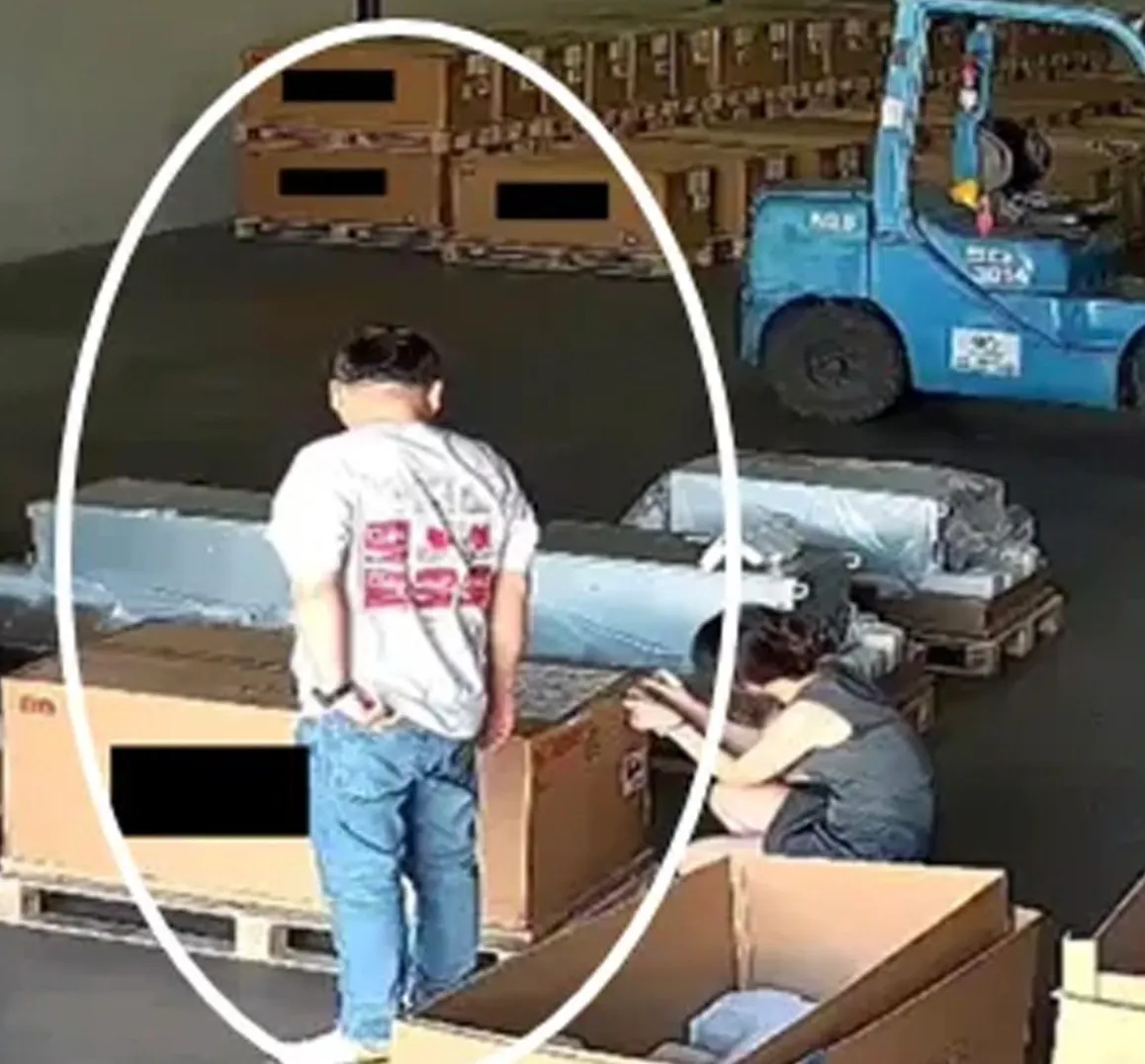
The billionaire co-founder of Super Micro was caught on camera personally using a hairdryer to swap serial numbers from real servers to dummy units to evade US export controls to China. This bizarre detail illustrates the extreme, hands-on lengths individuals will go to in the high-stakes geopolitical chip war.

To circumvent the physical challenge of smuggling enormous GPU server racks, smugglers employ deception. They create empty, dummy server racks to fill out data centers, fooling inspectors into believing they are viewing a fully equipped, legitimate operation while the real, valuable GPUs are moved elsewhere.
The high-stakes competition for AI dominance is so intense that investigative journalism can trigger immediate, massive corporate action. A report in The Information about OpenAI exploring Google's TPUs directly prompted NVIDIA's CEO to call OpenAI's CEO and strike a major investment deal to secure the business.

The US DOJ indictment against Supermicro (SMCI) reveals the extreme, hands-on measures taken to circumvent export controls. The billionaire founder was caught on camera personally using a hairdryer to swap serial number stickers from real servers to dummy units, highlighting the immense demand and profitability of smuggling AI chips to China.

Hedge funds that short stocks are financially incentivized to find and publicize corporate wrongdoing early. They don't need 'proof beyond a reasonable doubt,' allowing them to flag issues like Super Micro's export violations months before the FBI could build a formal case, serving as a powerful early warning system for investors.
