Get your free personalized podcast brief
We scan new podcasts and send you the top 5 insights daily.
For patients who have undergone CAR-T therapy, a common ailment like sinusitis poses a severe risk. Post-nasal drip can lead to life-threatening pneumonia. Effective management requires more than antibiotics; it involves checking immunoglobulin levels, sinus washing, and consulting ENT specialists to correct underlying structural issues.
Related Insights
While in vivo CAR-T therapies eliminate complex ex vivo manufacturing, they introduce a new critical variable: the patient's own immune system. The therapy's efficacy relies on modifying T-cells within the body, but each patient's immune status is different, especially after prior treatments. This makes optimizing and standardizing the dose a significant challenge compared to engineered cell therapies.
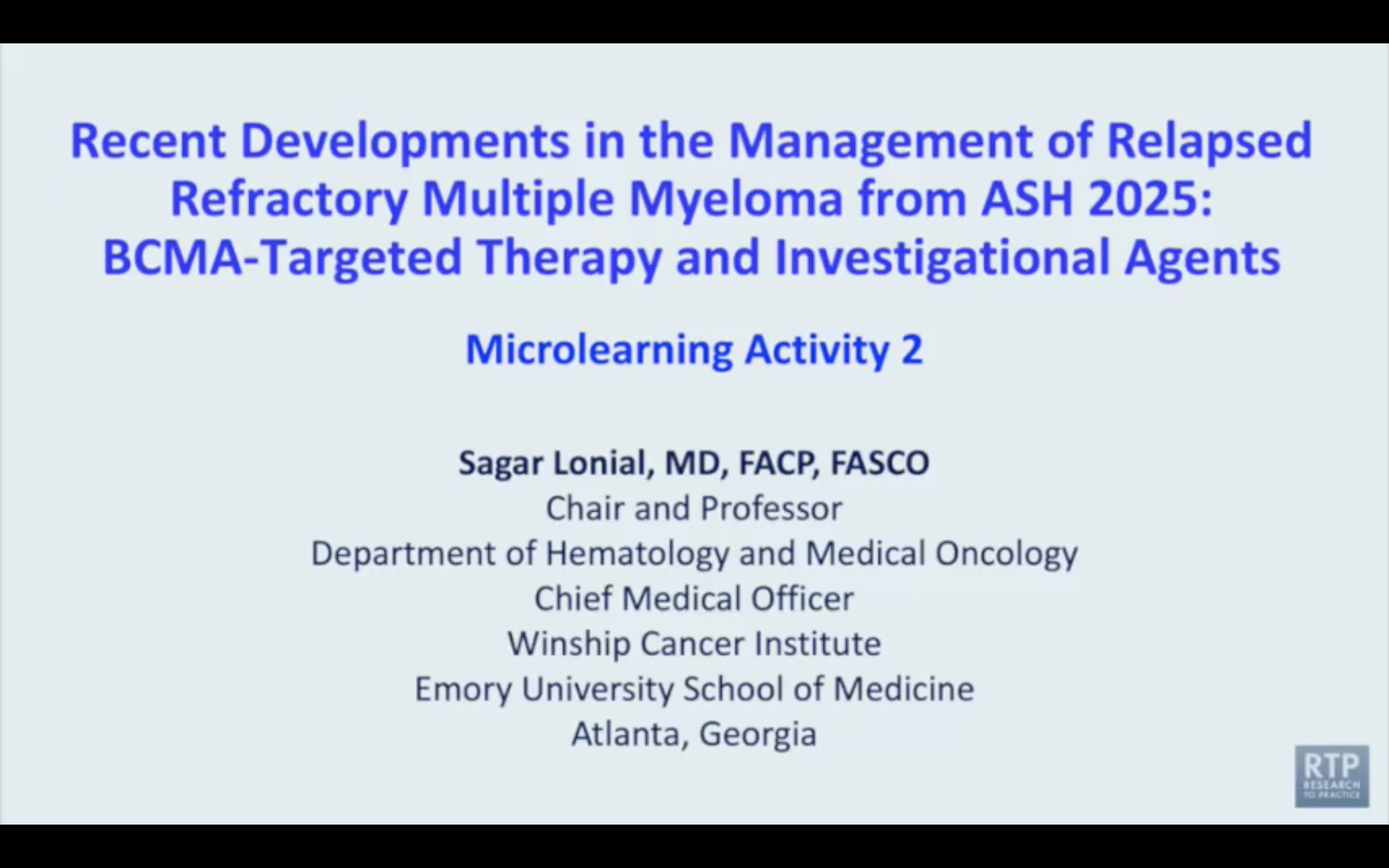
The powerful Tec-Dara combination therapy initially showed a paradoxical drop in overall survival due to infections. Mandating IVIG prophylaxis completely negated this early risk, revealing the treatment's true, significant long-term survival advantage. This highlights that aggressive supportive care is critical for maximizing efficacy.
While specialized centers handle acute CAR-T toxicities like CRS and ICANS, the most life-threatening long-term side effect is infection. This shifts the primary responsibility of care to community hematologists and oncologists, who must proactively manage this risk with patients after they are discharged.
With highly effective CLL therapies, primary causes of mortality are now infections and secondary cancers from immunodeficiency. Research is now focusing on immune reconstitution after treatment, marking a pivotal shift towards managing long-term survivorship challenges beyond just controlling the leukemia itself.
While the feared side effect of severe lung inflammation (pneumonitis) did not increase, other immune-mediated adverse events did. This led to higher rates of treatment discontinuation in the experimental arm, potentially negating any benefits of the concurrent approach and contributing to the trial's failure.

With highly effective treatments like CAR-T and bispecifics moving into earlier lines of therapy for multiple myeloma, the clinical focus must evolve. While efficacy benchmarks have been met, the next advancement requires vigilant attention to safety, particularly infection risks and other side effects of new paradigms.

Even for common conditions like pneumonia, current diagnostic methods like sputum and blood cultures fail to identify a bacterial cause in 60% of cases. This diagnostic gap leads to clinical guesswork, resulting in dangerous under-treatment. In one study, one in eight patients with a bacterial infection was sent home from the ER without antibiotics.

To manage hypogammaglobulinemia from bispecific antibodies, clinicians are adopting a more proactive approach. Following the model from myeloma care, they are initiating IVIG therapy earlier to prevent infections, rather than waiting for recurrent infections to occur as was standard with rituximab.
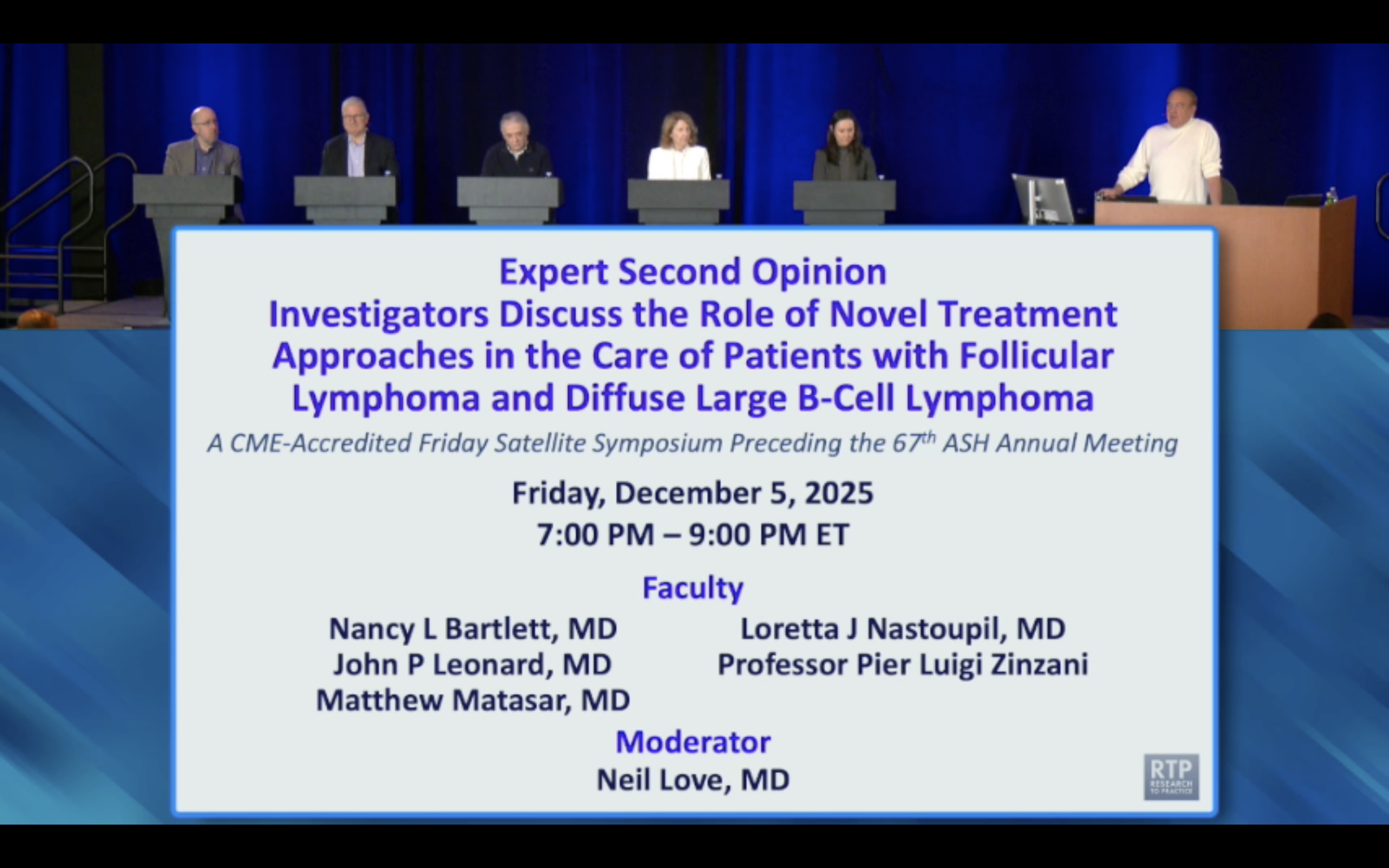
Before initiating a CD20-targeting bispecific antibody in patients who have failed CAR-T therapy, a new biopsy is mandatory. Up to 30% of these patients experience CD20 antigen loss, which would render the bispecific therapy ineffective and necessitates choosing a drug with a different target.
The success of CAR-T therapy hinges on the quality of the patient's own lymphocytes. Procuring T-cells earlier in the disease course, before they become exhausted from numerous prior therapies, results in a higher proportion of naive T-cells, leading to better CAR-T cell manufacturing and clinical outcomes.