Get your free personalized podcast brief
We scan new podcasts and send you the top 5 insights daily.
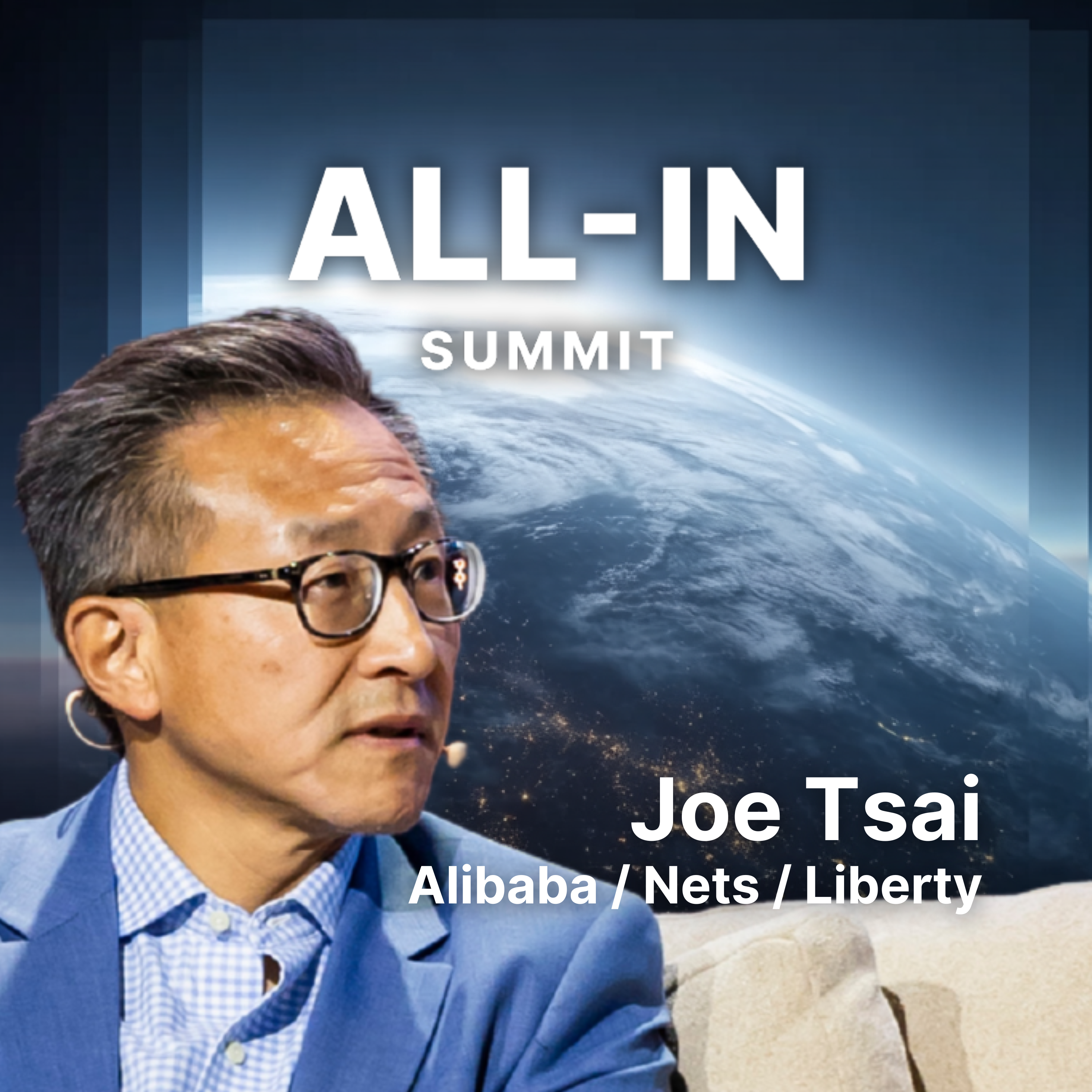
Joe Tsai reframes the US-China 'AI race' as a marathon won by adoption speed, not model size. He notes China’s focus on open source and smaller, specialized models (e.g., for mobile devices) is designed for faster proliferation and practical application. The goal is to diffuse technology throughout the economy quickly, rather than simply building the single most powerful model.
Related Insights
Contrary to common Western assumptions, China's official AI blueprint focuses on practical applications like scientific discovery and industrial transformation, with no mention of AGI or superintelligence. This suggests a more grounded, cautious approach aimed at boosting the real economy rather than winning a speculative tech race.

While the US pursues cutting-edge AGI, China is competing aggressively on cost at the application layer. By making LLM tokens and energy dramatically cheaper (e.g., $1.10 vs. $10+ per million tokens), China is fostering mass adoption and rapid commercialization. This strategy aims to win the practical, economic side of the AI race, even with less powerful models.

The US AI strategy is dominated by a race to build a foundational "god in a box" Artificial General Intelligence (AGI). In contrast, China's state-directed approach currently prioritizes practical, narrow AI applications in manufacturing, agriculture, and healthcare to drive immediate economic productivity.

By limiting access to top-tier proprietary models, U.S. policy may have ironically forced China to develop more efficient, open-source alternatives. This strategy is more effective for global adoption, as other countries can freely adapt these models without API limits or vendor lock-in.

China is gaining an efficiency edge in AI by using "distillation"—training smaller, cheaper models from larger ones. This "train the trainer" approach is much faster and challenges the capital-intensive US strategy, highlighting how inefficient and "bloated" current Western foundational models are.

China is pursuing a low-cost, open-source AI model, similar to Android's market strategy. This contrasts with the US's expensive, high-performance "iPhone" approach. This accessibility and cost-effectiveness could allow Chinese AI to dominate the global market, especially in developing nations.
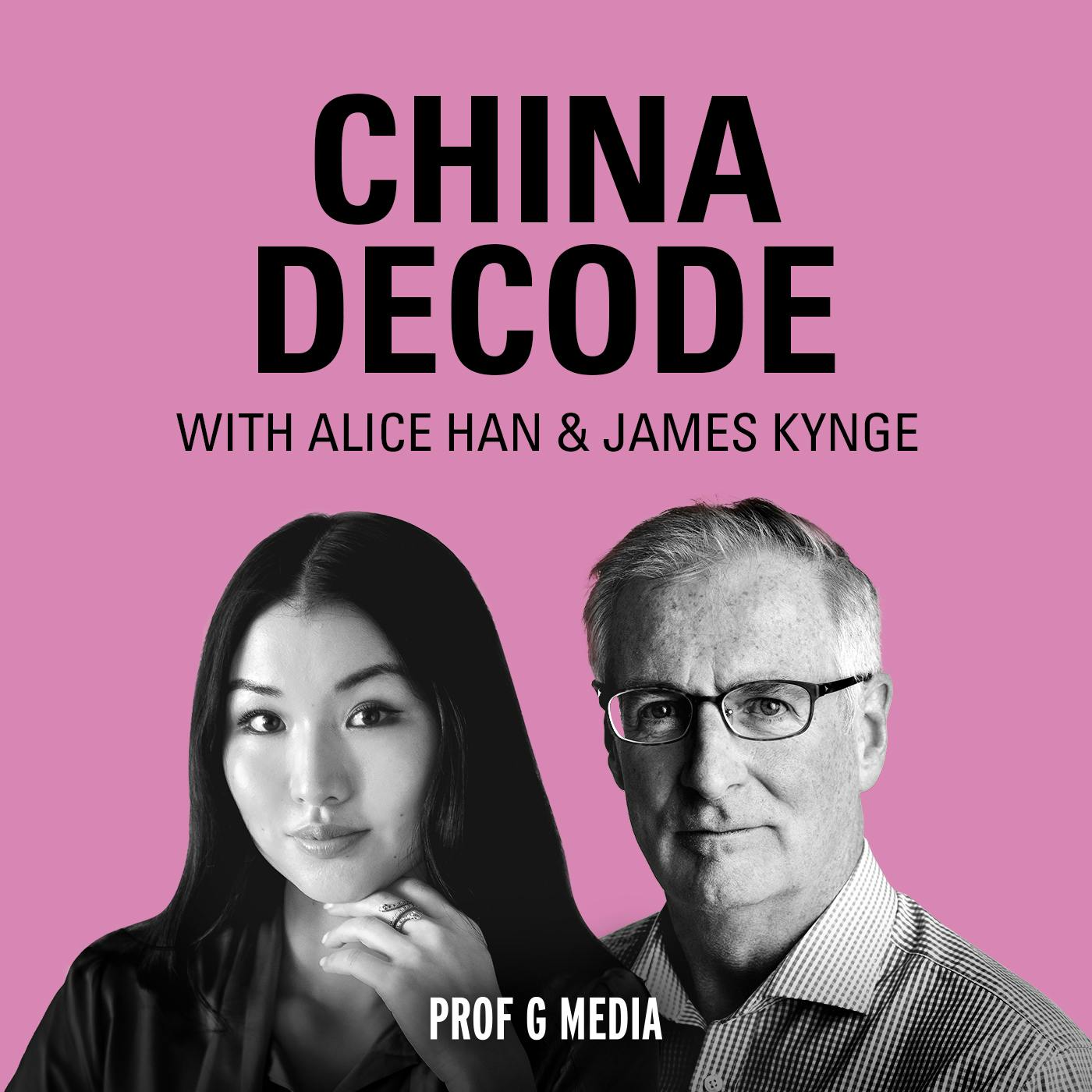
A key strategic difference in the AI race is focus. US tech giants are 'AGI-pilled,' aiming to build a single, god-like general intelligence. In contrast, China's state-driven approach prioritizes deploying narrow AI to boost productivity in manufacturing, agriculture, and healthcare now.

China is compensating for its deficit in cutting-edge semiconductors by pursuing an asymmetric strategy. It focuses on massive 'superclusters' of less advanced domestic chips and creating hyper-efficient, open-source AI models. This approach prioritizes widespread, low-cost adoption over chasing the absolute peak of performance like the US.
While the US focuses on creating the most advanced AI models, China's real strength may be its proven ability to orchestrate society-wide technology adoption. Deep integration and widespread public enthusiasm for AI could ultimately provide a more durable competitive advantage.

While the U.S. leads in closed, proprietary AI models like OpenAI's, Chinese companies now dominate the leaderboards for open-source models. Because they are cheaper and easier to deploy, these Chinese models are seeing rapid global uptake, challenging the U.S.'s perceived lead in AI through wider diffusion and application.
