Get your free personalized podcast brief
We scan new podcasts and send you the top 5 insights daily.
Seemingly opposing political ideologies are converging on economic policy. Trump's proposals on credit card caps and tariffs align more with progressives like Elizabeth Warren than traditional capitalists. This "horseshoe effect" suggests a broad move toward a state-supported, centralized industrial policy.

Related Insights
The post-1980s neoliberal consensus of small government and free trade is being replaced by a mercantilist approach. Governments, particularly the U.S., now actively intervene to protect domestic industries and secure geopolitical strength, treating trade as a zero-sum game. This represents a fundamental economic shift for investors.

To counter the economic threat from China's state-directed capitalism, the U.S. is ironically being forced to adopt similar strategies. This involves greater government intervention in capital allocation and industrial policy, representing a convergence of economic models rather than a clear victory for free-market capitalism.

The U.S. is shifting from industry supporter to active owner by taking direct equity stakes in firms like Intel and U.S. Steel. This move blurs the lines between free markets and state control, risking a system where political connections, not performance, determine success.

A U.S. national security document's phrase, "the future belongs to makers," signals a significant policy shift. Credit and tax incentives will likely be redirected from financial engineering (e.g., leveraged buyouts in private equity) to tangible industrial production in order to build resilient, non-Chinese supply chains.
The administration justifies taking equity stakes in private industries—a form of state capitalism—by reframing the global landscape as an "economic war." The pandemic exposed critical supply chain vulnerabilities in areas like semiconductors and pharmaceuticals, making domestic production a matter of national security, similar to wartime industrial mobilization.
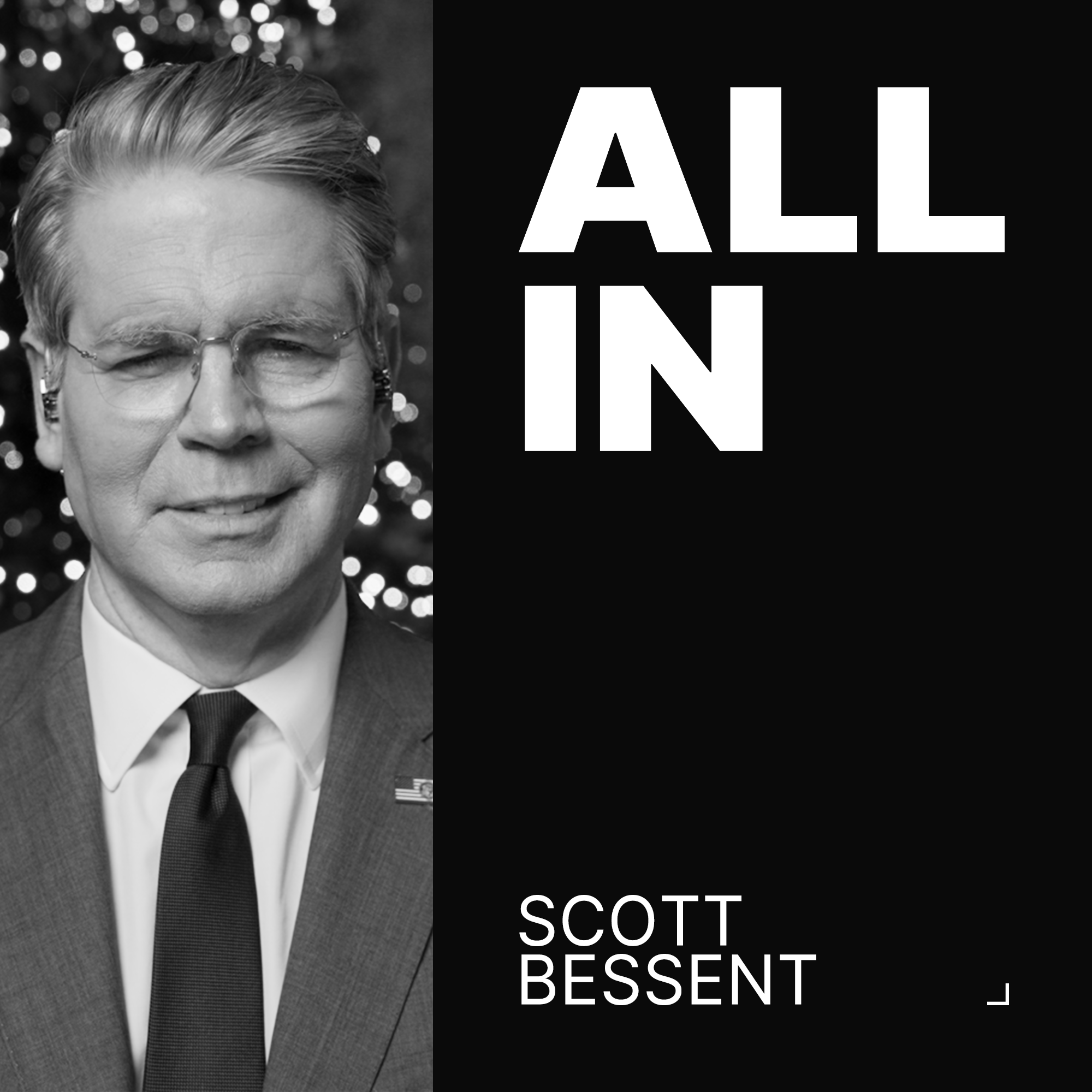
A notable ideological convergence is occurring between the progressive left (Ezra Klein's "abundance" agenda) and the tech-right (Palantir's Alex Karp). Both sides advocate for the US to adopt a more aggressive, China-like approach to building infrastructure and boosting industrial capacity, uniting them on a common goal of national development.

The widening gap between the economic fortunes of the rich and the middle class is eroding faith in capitalism across the political spectrum. This sentiment is no longer confined to the left, as Republican pollsters find their own focus groups expressing deep skepticism of big business, mirroring progressive talking points and signaling a broad political realignment.

The traditional relationship where economic performance dictated political outcomes has flipped. Now, political priorities like tariff policies, reshoring, and populist movements are the primary drivers of economic trends, creating a more unpredictable environment for investors.

In trying to compete, the U.S. is mirroring China's protectionism and industrial policy. This is a strategic error, as the U.S. political system lacks the ability to centrally direct resources and execute long-term industrial strategy as effectively as China's state-controlled economy.

The long-standing American political consensus favoring lower trade barriers has been replaced. Industrial policy, with active government shaping of key sectors via tariffs and investment, is now a durable, bipartisan strategy seen under both Trump and Biden administrations.
