Get your free personalized podcast brief
We scan new podcasts and send you the top 5 insights daily.
The concept of "Longevity Escape Velocity" posits a future tipping point where medical breakthroughs add more than one year to human lifespan for every calendar year. Once this threshold is crossed, humans could theoretically achieve indefinite lifespans.

Related Insights
Some individuals possess genetic variants, like FOXO3, that slow their biological clocks. The goal of emerging "gero-protectors" is not immortality but to replicate this advantage for everyone, slowing aging to compress frailty into a shorter period at the end of life and extend healthspan.

Dr. Aubrey de Grey posits that a "preventative maintenance" approach—repairing accumulated cellular damage—is a more direct and achievable engineering problem than trying to slow the complex metabolic processes that cause the damage in the first place, sidestepping our biological ignorance.
Once medical science can extend life expectancy by more than one year per calendar year, we will reach a point where individuals outpace aging indefinitely. This concept transforms the fight against aging from a purely biological battle into a technological race against time.
Like AI before ChatGPT, longevity operates largely outside public consciousness. It needs a single, undeniable breakthrough—a widely available drug that effectively extends healthspan—to capture the public's imagination and trigger a massive shift in political and social attention.
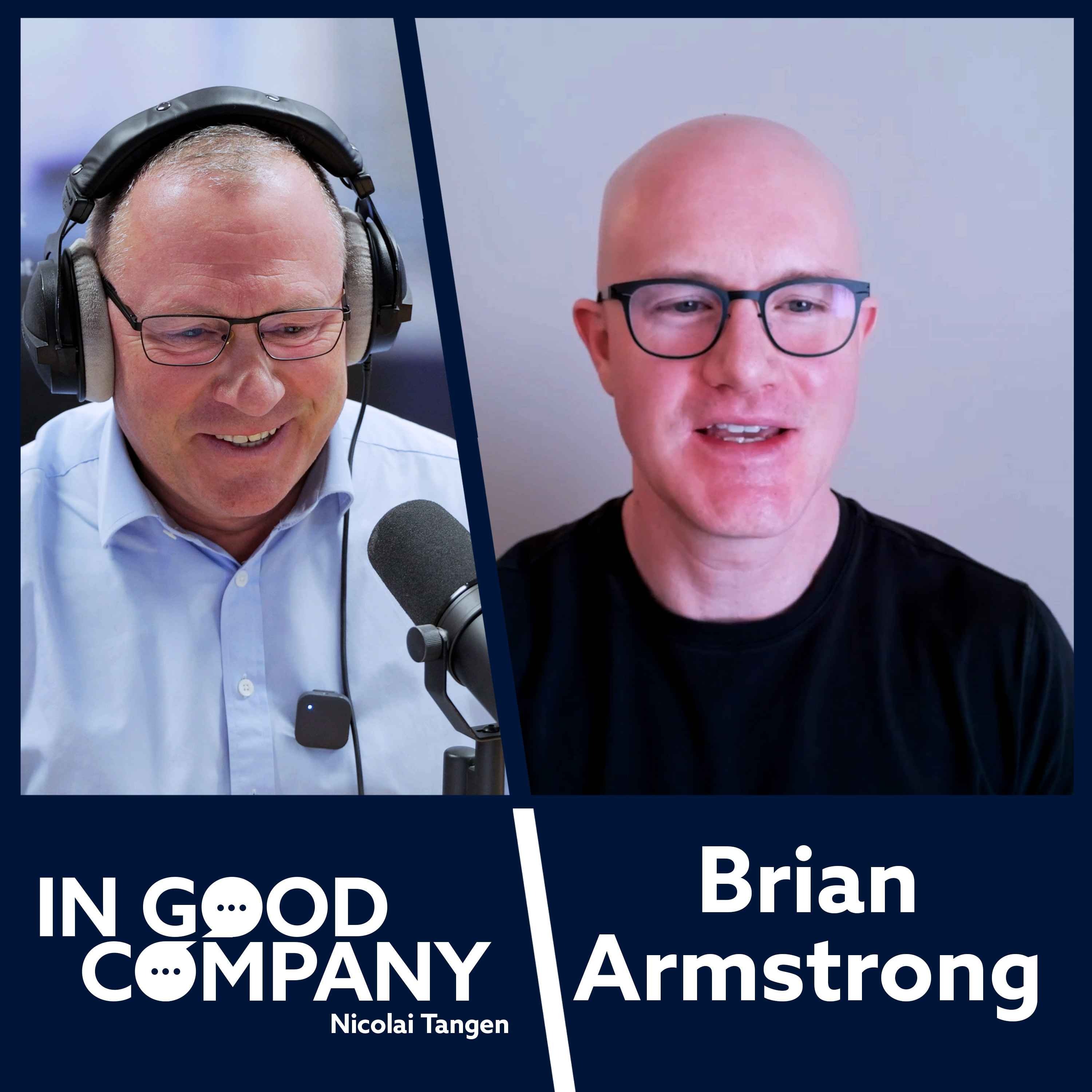
As a co-founder of a longevity biotech firm, Brian Armstrong predicts a 50% chance of reaching "longevity escape velocity" by 2030-2035. This is the point where medicine adds more than a year to life expectancy for every year that passes, driven by breakthroughs in AI-powered drug discovery and cellular analysis.
Anti-aging treatments will pay for themselves by eliminating the enormous medical costs of late-life health problems. This creates a powerful economic imperative for governments to ensure universal access, countering the common fear that such therapies will only be available to the wealthy.
The economic value of extending healthy life is astronomical. One research team estimated a single year of added healthspan is worth $38 trillion to the US economy, a figure experts believe is still an underestimate. This reframes geroscience investment as a massive economic opportunity, not a cost.
The economic benefit of longevity, termed the "longevity dividend," is massive. Each additional year of healthy, productive life adds trillions of dollars to the GDP. This economic argument justifies significant government and private investment into aging research, as the societal ROI is immense.
As societies enable most people to live longer, they inevitably encounter the biological limits of aging. This deceleration in life expectancy gains isn't a medical failure but a natural consequence of success, proving we've reached a point where we must target aging itself, not just individual diseases.
While foundational, lifestyle improvements have a ceiling. The next major breakthroughs in extending health and lifespan, achieving "longevity escape velocity," will be delivered by advanced biotech like cellular reprogramming, not by the mass adoption of perfect diet, sleep, and exercise habits.
