Get your free personalized podcast brief
We scan new podcasts and send you the top 5 insights daily.
Musk's plan to merge SpaceX, XAI, and potentially Tesla is a financial sleight of hand. He wraps overvalued or troubled assets (Tesla, X) inside a highly successful one (SpaceX) to create a single, complex entity. This makes it harder for investors to analyze individual weaknesses and easier to sell a grand, unified vision.

Related Insights
The sequential mergers of X with xAI, then with SpaceX, and potentially Tesla, signal the formation of a single entity. This "Musk Industries" would leverage shared manufacturing learnings and AI development across cars, rockets, robots, and social networks, creating powerful synergies.
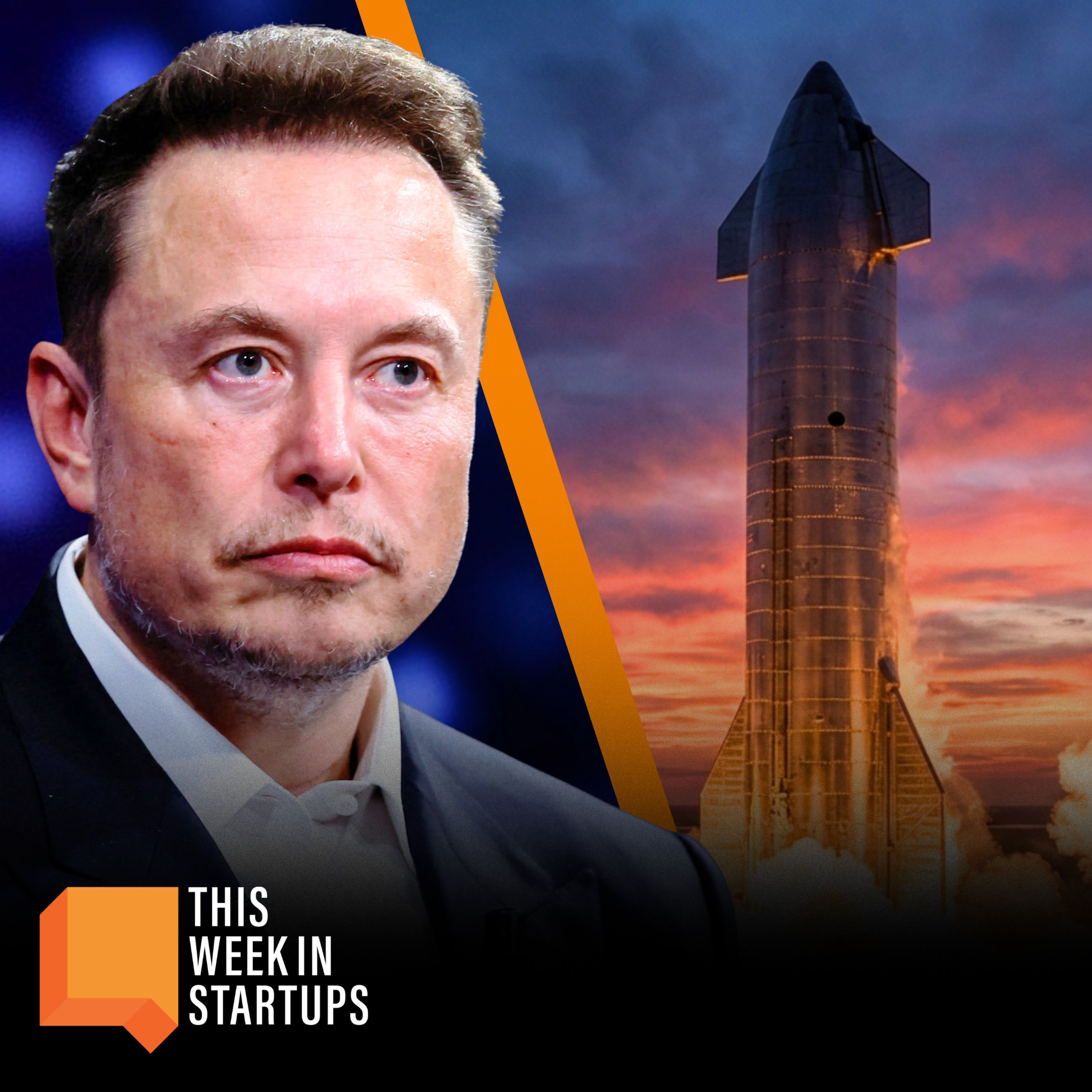
The merger between X and X.ai was a strategic financial rescue. It propped up the valuation of X (formerly Twitter), saving underwater investments from firms like Fidelity and securing the $13 billion in loans held by banks from the original takeover.
Initially mocked, the Twitter acquisition now appears as a strategic play. It gave investors exposure to xAI, which is now in merger talks with SpaceX. This move could consolidate Musk's ventures into an AI-centric conglomerate, turning a social media investment into a high-value stake in a space and robotics powerhouse.

The idea of a single, vertically integrated "Elon Inc." combining SpaceX, X, Tesla, and xAI provides a strategic framework for understanding Musk's moves. This makes seemingly disparate actions, like a potential SpaceX acquisition of XAI, appear as logical steps toward a larger, unified entity.

A contrarian prediction suggests SpaceX will forgo a traditional IPO and instead execute a reverse merger into Tesla. This strategic move would allow Elon Musk to consolidate control over his two most significant companies under a single cap table and corporate structure.
Elon Musk's plan to merge SpaceX with xAI is a strategic move to build a vertically integrated powerhouse. This deal combines SpaceX's physical infrastructure, satellite network, and massive revenue from Starlink with xAI's artificial intelligence ambitions, creating a single entity that controls both the digital and physical layers of a new tech ecosystem.

The merger of Elon Musk's seemingly disparate SpaceX and xAI is being justified by the powerful narrative of creating "data centers in space." This story provides the necessary conceptual bridge for investors, transforming SpaceX's valuation from a pure aerospace company to a future pillar of global AI infrastructure.

The merger between SpaceX and xAI is being justified by the strategic narrative of building "data centers in space." This positions SpaceX's satellite network not just as a communications provider but as the essential physical infrastructure for a future AI-driven world, providing a rationale for combining rockets and AI.

A potential merger between xAI and the IPO-ready SpaceX would allow Elon Musk to take an AI company public far ahead of rivals OpenAI and Anthropic. This move serves as an "end run" around the traditional process, aiming to capture the first-mover advantage and the narrative as the primary public AI investment.

Visionary projects like Tesla's Optimus robot are often strategic distractions. CEOs like Elon Musk use them to shift investor focus from immediate challenges, such as declining revenues and fierce competition, maintaining a high valuation based on future promises rather than current performance.