Get your free personalized podcast brief
We scan new podcasts and send you the top 5 insights daily.
Unrivaled, a women's basketball league, grants players equity, making them co-owners. This model ensures players are motivated to grow the league's brand and engage in marketing, as its success directly translates to their personal financial gain, a stark contrast to traditional salaried player models.

Related Insights
Dropout implements a profit-sharing model for its talent, not just for ethical reasons, but because it's administratively simpler than a traditional, complex royalty system. This approach streamlines finance operations while still rewarding contributors for the platform's overall success.

Being a new entity without decades of tradition, or 'spots on the leopard,' allows Unrivaled to rapidly adopt modern practices like player-led social media. This agility is a key competitive advantage over established leagues burdened by heritage and slow-moving governance structures.
Ally proves the ROI of brand-building through its commitment to women's sports. The initiative resulted in a 6x higher likelihood of account openings and an 87% more efficient customer acquisition cost among fans, showing how purpose-driven marketing directly impacts performance.
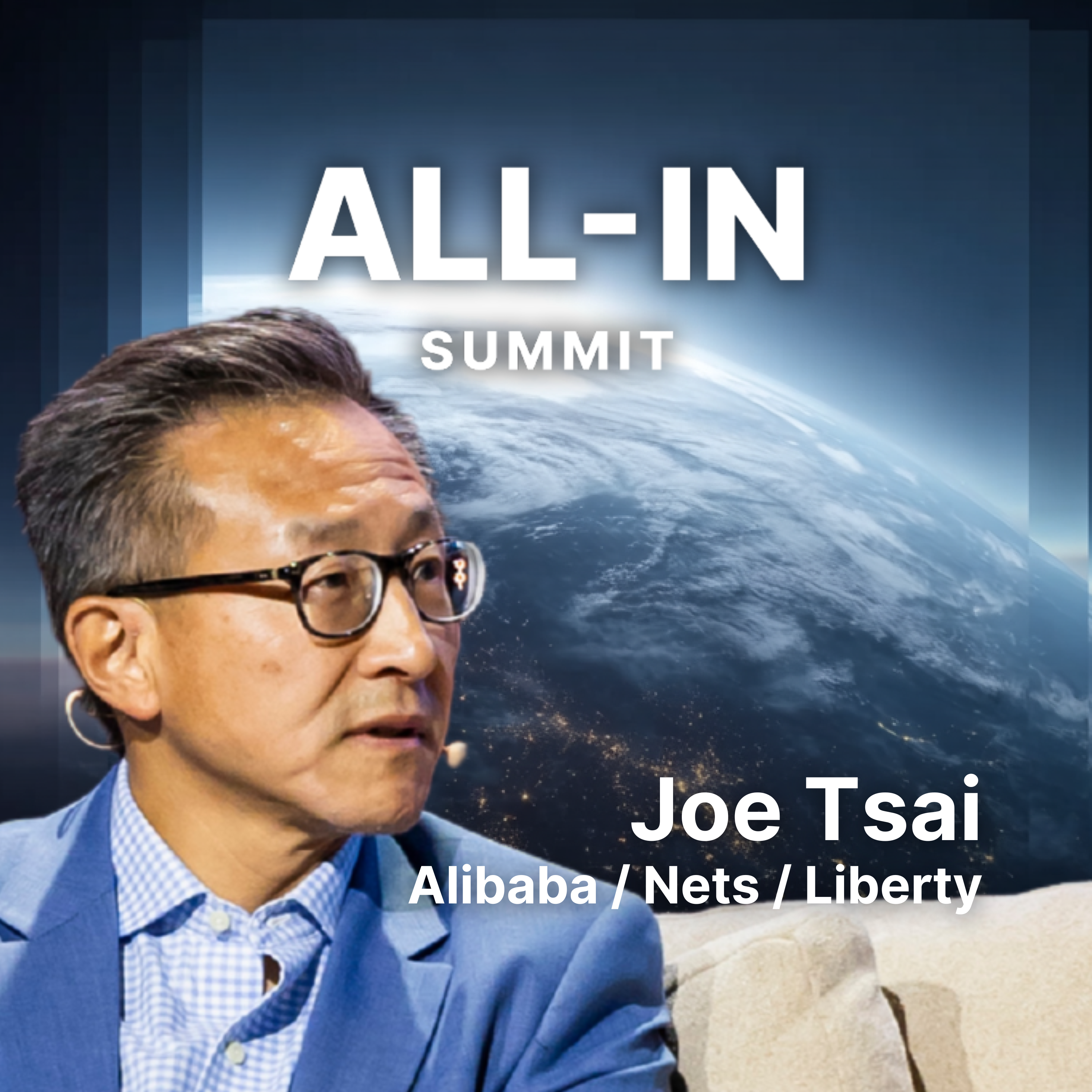
The arrival of Caitlin Clark had an immediate, quantifiable economic effect on the WNBA. According to team owner Joe Tsai, key metrics like viewership, ticket sales, and sponsorships surged by a factor of four, demonstrating the immense commercial power a single star player can have on an entire league.
Unrivaled positions itself not as a competitor to the WNBA, but as a complementary league that supports the entire ecosystem. By providing WNBA players a domestic offseason opportunity to compete and build their brands, Unrivaled helps raise the profile of the players and women's basketball as a whole.
Influencers in specialized fields like sports can choose from three business models. 1) Entertainment: pure media with brand deals. 2) Education: selling digital courses and merchandise. 3) Equity: becoming a long-term spokesperson for a brand in exchange for ownership or royalties.

Giving management 15% equity instead of the standard 10% is a small cost to the sponsor (e.g., an 85% stake vs. 90%). However, this 50% increase in potential wealth for management creates significant alignment and motivation, leading to a much larger overall enterprise value that benefits all parties.

Unrivaled's teams aren't tied to cities, challenging the traditional sports model. The commissioner's initial concern about fan loyalty was unfounded, as fans quickly adopted team identities like the 'Phantoms.' This strategy allows a new league to build a broad, digitally-native following from day one, unconstrained by geography.
In sports, internal-facing marketing assets like pre-game videos serve a dual purpose. They are designed to energize the players, which directly enhances their performance and, by extension, the fan experience. This creates a feedback loop where fan entertainment and player motivation fuel each other.

Elf uses a unique compensation model where every employee's bonus (from 0-200%) is tied to the same company-wide adjusted EBITDA metric. This aligns operations, sales, and marketing on a shared financial fate, fostering cross-functional collaboration and a strong sense of ownership.
