Get your free personalized podcast brief
We scan new podcasts and send you the top 5 insights daily.
While founders may avoid firing people out of charity, the true damage is to team morale. Your best employees know who isn't pulling their weight. Keeping underperformers makes top talent feel devalued and resentful, which is more destructive than the financial cost of the underperformer.

Related Insights
"Hiring is guessing, firing is knowing." Don't let a bad hire drag down a great one. The most impactful move is to fire the bottom performer and reallocate their salary to your top performer. This sends a powerful message that excellence is rewarded and motivates your entire team.
Leaders struggling with firing decisions should reframe the act as a protective measure for the entire organization. By failing to remove an underperformer or poor cultural fit, a leader is letting one person jeopardize the careers and work environment of everyone else on the team.

Keeping an employee in a role where they are failing is a profound disservice. You cannot coach someone into a fundamentally bad fit. The employee isn't growing; they're going backward. A manager's responsibility is to provide direct feedback and, if necessary, 'invite them to build their career elsewhere.'
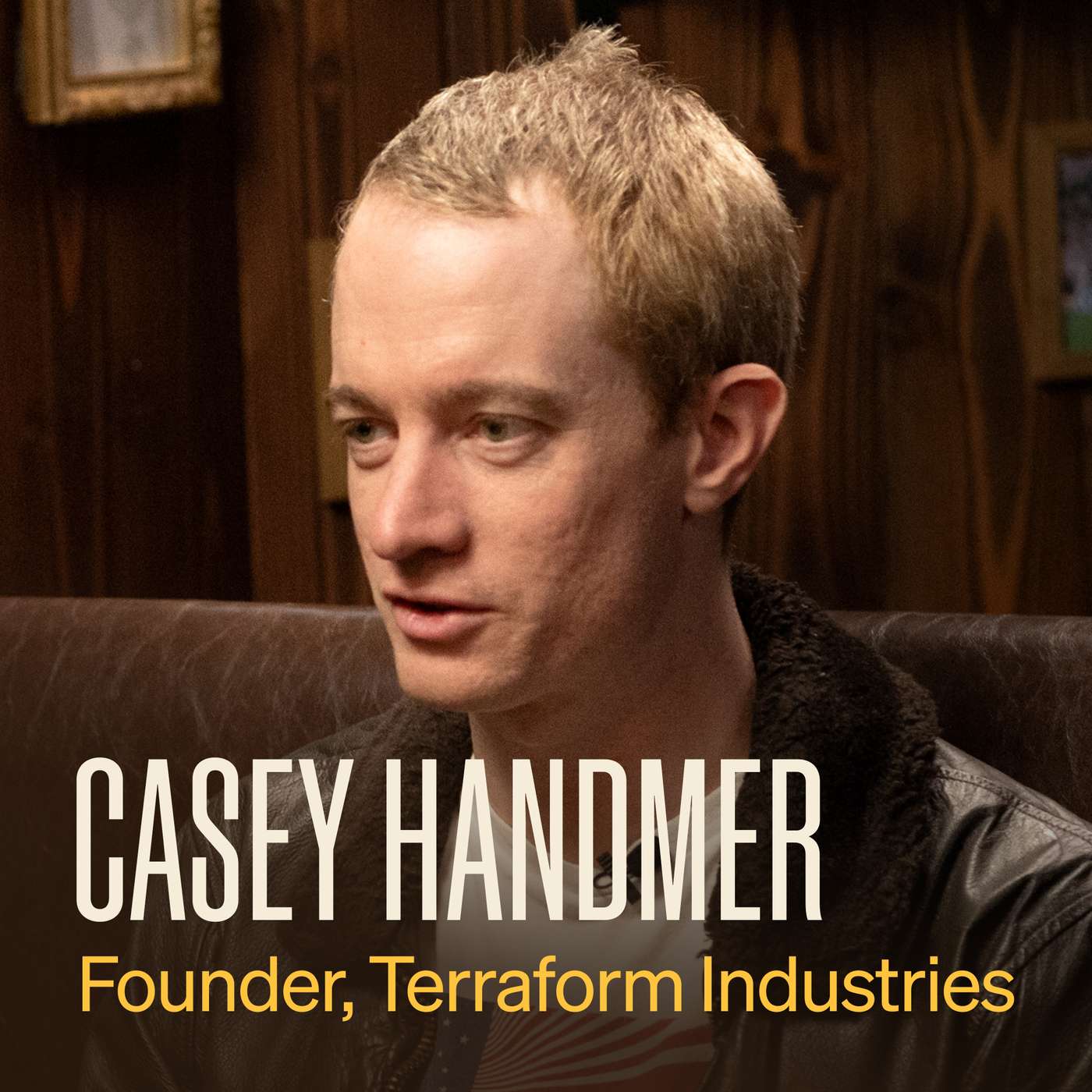
When a startup fails due to team issues, the root cause isn't the underperforming employee. It's the CEO's inability to make the hard, swift decision to fire them. The entire team knows who isn't a fit, and the leader's inaction demotivates and ultimately drives away top performers.

Founders delay firing out of a false sense of compassion. Katelin Holloway argues the employee knows it isn't working, and every day you delay is a day they aren't finding a better fit and earning equity elsewhere. Being clear and fast is the kindest action for everyone involved.

Peets refutes the idea that performance-managing poor performers creates a culture of fear. He argues the opposite: A-players are demoralized when they see underperforming colleagues being tolerated. The lack of accountability for B-players is what ultimately drives your best talent to leave.

Keeping an underperforming employee out of a sense of kindness is a mistake; it hurts A-players and creates entitlement. True kindness involves direct, ongoing feedback ('kind candor') and, if necessary, firing them with a generous severance package.
Keeping B-players doesn't just produce mediocre results; it actively drags down your A-players. Firing the B-players often results in the remaining A-players becoming even more productive, achieving more with a smaller, more expensive-per-head team. The net result is higher output for lower total cost.

Leaders universally agree they should fire underperformers sooner, yet consistently delay. The root cause is a cognitive bias: founders fall in love with the idea that their hire was correct and hold on, much like an investor holding a losing stock, hoping for a turnaround against the evidence.

When making tough personnel decisions, leaders should frame the choice not as a personal or purely business matter, but as a responsibility to the rest of the organization. Tolerating poor performance at the top jeopardizes the careers and stability of every other employee, making swift action an act of collective protection.