Get your free personalized podcast brief
We scan new podcasts and send you the top 5 insights daily.
Adam Blake's founding team was formed not in a boardroom, but in the trenches of government service. Enduring shared experiences like death threats and coordinated attempts to get them fired was the ultimate filter, revealing their true character and capabilities and forging a bond of trust essential for a startup.

Related Insights
Founders must accept a lifestyle that excludes most social activities. The intense, shared mission of building a company fosters deep connections with colleagues that supplant traditional friendships. This sacrifice is a prerequisite for high-commitment entrepreneurship.

The long-standing relationship between PhonePe's co-founders, built on deep trust, allows them to be interchangeable in their roles. This enables one to step back during difficult periods while the other steps in, ensuring resilience through crises.
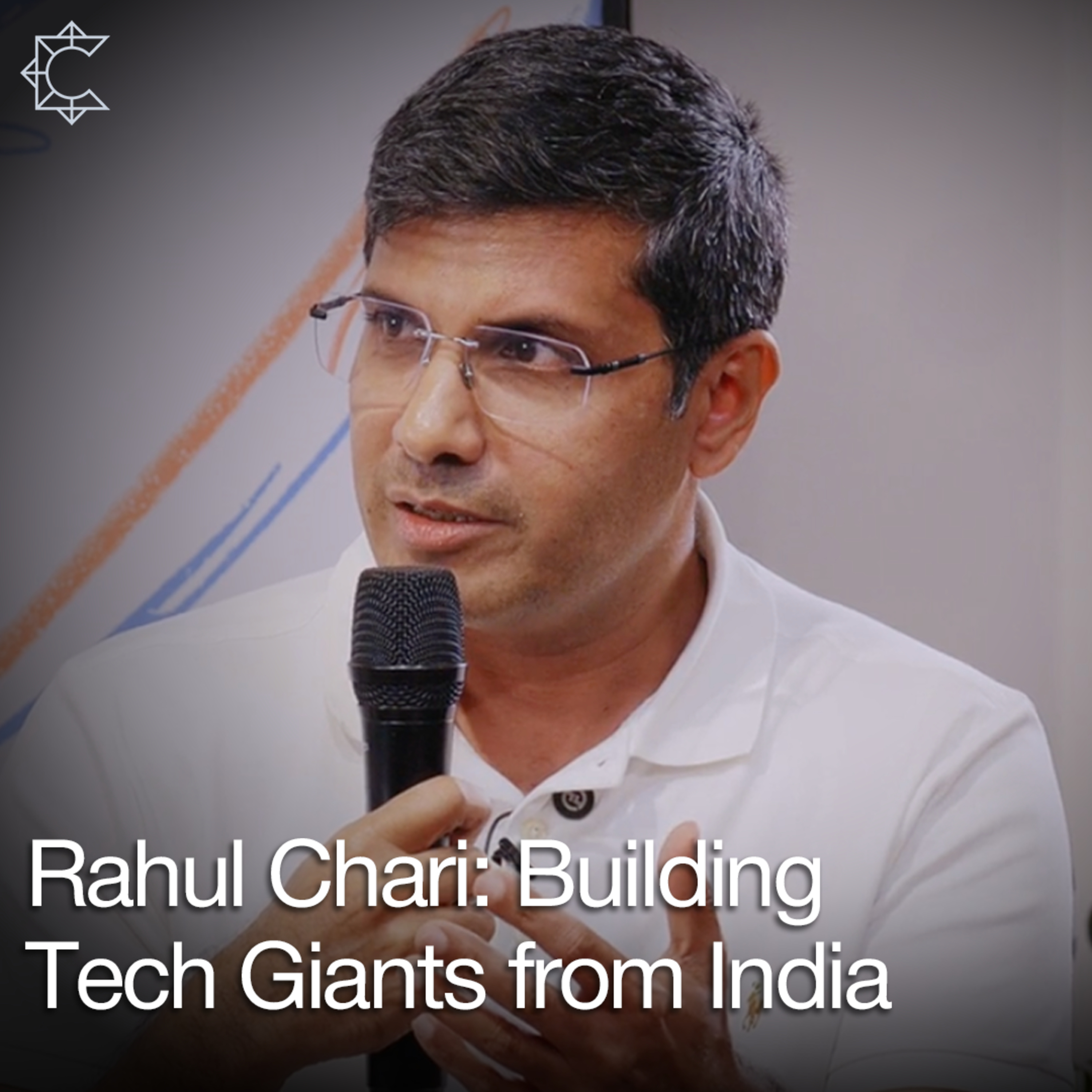
The founders were co-workers before becoming friends and then business partners. This sequence allowed them to vet each other's work ethic and resourcefulness in a professional setting, de-risking the co-founder relationship far more effectively than friendship alone could.

Contrary to the belief that founders and CPOs need opposite skills (visionary vs. operator), a partnership of similar "builder" types can thrive. The key is deep, long-standing trust that allows for productive, spirited debates, turning potential friction into a shared strength for decision-making.

Beyond complementary skills, a strong co-founder dynamic is built on five core principles. Founders must have deep trust, maintain constant communication, provide candid feedback, and commit to evolving personally and professionally as the company scales.

The founder's number one piece of advice is to get the co-founder relationship right. While you can pivot ideas, raise more funding, or change markets, replacing a co-founder is incredibly difficult. A strong, complementary founding team is the foundation for overcoming all other startup challenges.

An effective founding team isn't a group of well-rounded generalists. It's better to assemble specialists with deep, complementary skills and even significant weaknesses. The unifying factor isn't identical profiles, but a foundation of shared values and trust.
Baiju Bhatt and Vlad Tenev had different ways of thinking that were highly complementary. Their deep, lasting bond wasn't just friendship; it was forged through the shared adversity of building companies together. This combination of different strengths and shared struggle is key to a resilient founding team.
In a world of commoditizing technology, the most durable competitive advantage is trust. Building a core team from a founder's deep personal network—like former roommates and colleagues—creates a high-trust unit that can execute with extreme speed and flexibility across different domains, forming a powerful moat.

A key competitive advantage is a culture built on trust accumulated over time, especially by partners who "grew up in the foxhole together." This shared history of navigating difficult cycles creates a foundation of respect that enables healthy debate and challenges consensus-building, preventing the groupthink that plagues many firms.
