Get your free personalized podcast brief
We scan new podcasts and send you the top 5 insights daily.
Dick Cheney justified harsh interrogation techniques not by downplaying them, but by reframing the debate as a stark moral choice. He posed a question: 'Are you going to ransom lives for your honor? Or are you going to do your job?' This rhetoric positioned torture as a necessary, albeit unpleasant, duty to prevent future attacks, rather than a legal or ethical violation.

Related Insights
Author John Grisham, a longtime death penalty supporter, had a complete change of heart after a prison chaplain asked, "Do you think Jesus will approve of what we do here?" This shows that a well-posed, self-reflective question can be far more persuasive than a direct confrontation, as it bypasses defensiveness.

Showing mercy to disabled enemy combatants is tactically superior for three reasons: it encourages adversaries to surrender rather than fight to the death; it yields valuable intelligence from prisoners; and it establishes a standard of conduct that protects one's own captured soldiers from reciprocal brutality.

Violent acts are not random; they often represent the logical conclusion within a person's specific frame of reference. If an ideology convinces someone they are fighting a Hitler-like evil, then assassination becomes a moral duty, not a crime. The danger lies in these justifying belief systems.

Under the theory of emotivism, many heated moral debates are not about conflicting fundamental values but rather disagreements over facts. For instance, in a gun control debate, both sides may share the value of 'boo innocent people dying' but disagree on the factual question of which policies will best achieve that outcome.

An ideologue, even an anarchist advocating against the state, may support a massive state action if it serves a higher strategic purpose—in this case, disrupting a system they oppose. The perceived hypocrisy is dismissed as irrelevant when compared to the desired outcome, framing it as a solution, not a preferred method of governance.

Effective political propaganda isn't about outright lies; it's about controlling the frame of reference. By providing a simple, powerful lens through which to view a complex situation, leaders can dictate the terms of the debate and trap audiences within their desired narrative, limiting alternative interpretations.

The historical progression of the death penalty in America, from hanging to lethal injection, was not primarily about making death more humane. Instead, each change was intended to make the act of execution more palatable and acceptable for the public to witness, effectively a public relations strategy.
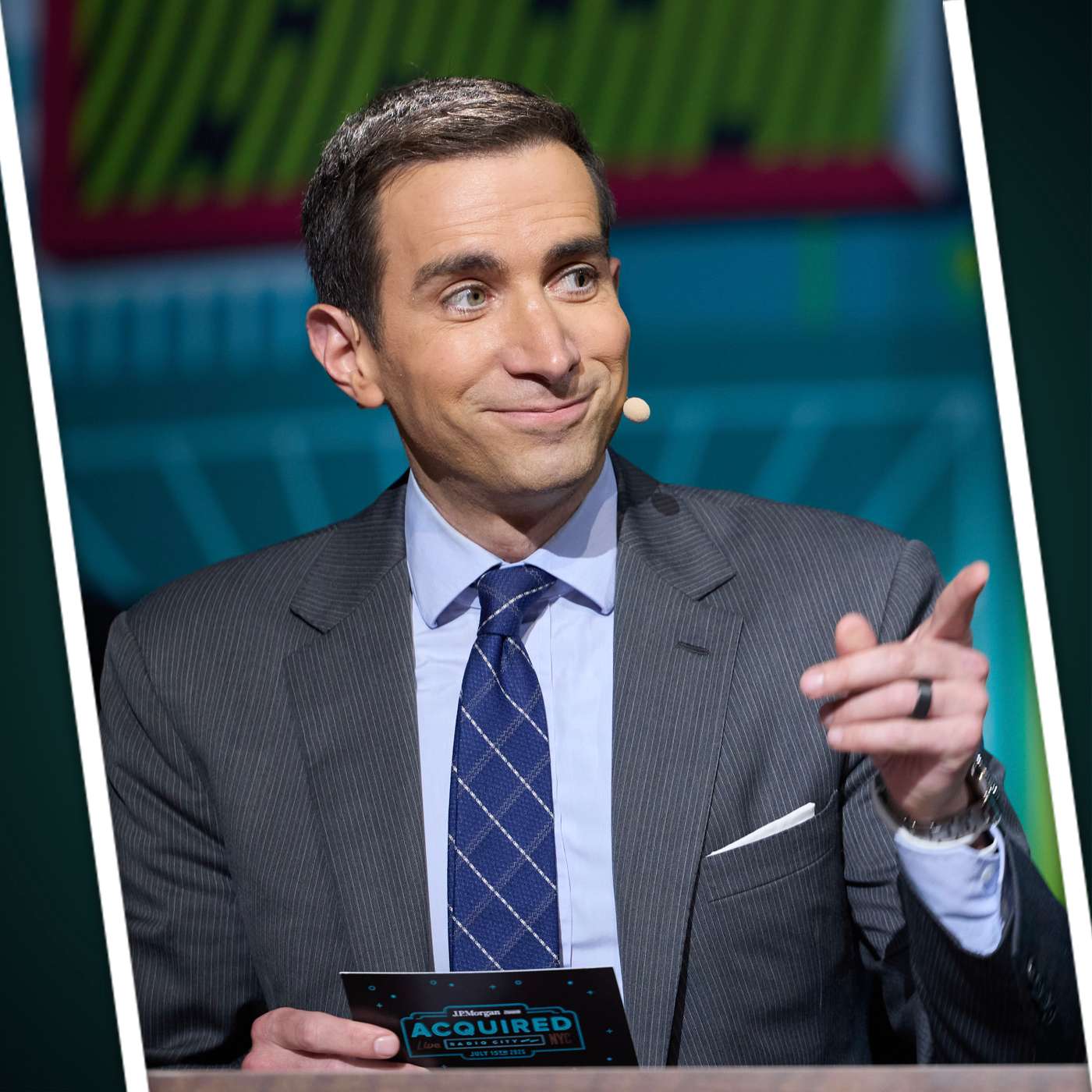
To broach a sensitive topic, Andrew Ross Sorkin reads a critical quote from another source. This technique shifts the focus from a personal attack ("I think you...") to a public concern ("Others are saying..."). It forces the interviewee to grapple with an issue they have likely already considered, leading to a more thoughtful response.
Proponents of engaging with regimes like Saudi Arabia often pivot from specific moral criticisms (e.g., murdering journalists) to comparative flaws in Western democracies (e.g., gun violence). This "whataboutism" is a rhetorical strategy to reframe the debate and justify actions by implying moral equivalence.

Rockefeller didn't see himself as a ruthless monopolist but as a righteous 'up-builder' bringing order to a chaotic industry. He believed competition was destructive and that his consolidation was a force for progress and service. This moral conviction allowed him to pursue his audacious goals with unwavering and unapologetic resolve.