Get your free personalized podcast brief
We scan new podcasts and send you the top 5 insights daily.
A deep dive into hundreds of legendary founders reveals that building a world-changing company requires all-consuming obsession. Historical figures like Sam Walton and Phil Knight confirmed they sacrificed family time for their companies and would do it all over again.

Related Insights
Gary Vaynerchuk calls out the hypocrisy of hyper-successful individuals who worked obsessively for years and then, from a position of wealth, preach "work-life balance" to those still climbing. Be wary of advice that doesn't align with the advisor's own path to success.

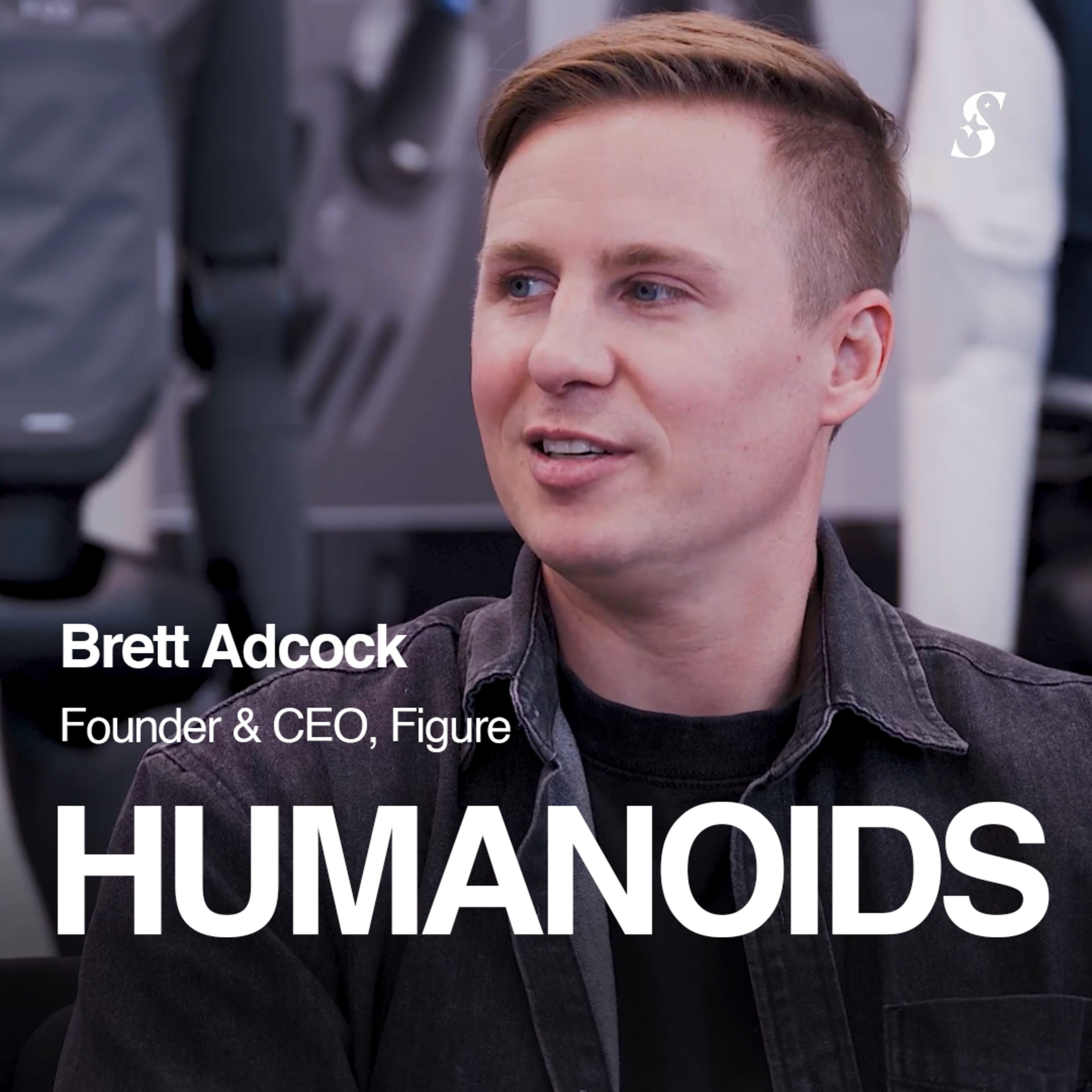
To run multiple deep-tech companies, Adcock made a radical decision five years ago to cut out all non-essential social activities, such as annual trips with friends. He dedicates his time strictly to his family and his companies, viewing this extreme focus as necessary for high performance.
Founders must accept a lifestyle that excludes most social activities. The intense, shared mission of building a company fosters deep connections with colleagues that supplant traditional friendships. This sacrifice is a prerequisite for high-commitment entrepreneurship.

Founder Nima Jalali describes the first five years as an all-consuming period with no work-life boundaries. He frames this intense sprint not as a sustainable strategy, but as a necessary, finite phase to build a foundation that later allows for hiring a team and establishing balance.

Rejecting the popular notion of work-life balance, Knight actively sought imbalance. His goal wasn't to separate work from life but to merge them by finding a mission he was so obsessed with that it felt like play. This reframes the goal from achieving balance to finding a fulfilling obsession that pulls you forward.
![[Outliers] Phil Knight: The Obsession That Built Nike thumbnail](https://megaphone.imgix.net/podcasts/9c0d00ea-df1d-11ef-9477-2b8336fcd8e9/image/113a058265322df92ae562c548d1dc8f.jpg?ixlib=rails-4.3.1&max-w=3000&max-h=3000&fit=crop&auto=format,compress)
Conventional advice about work-life balance to avoid burnout is counterproductive for founders with extreme ambitions. Building a massive, venture-scale company requires a level of obsessive focus and sacrifice that is inherently unbalanced. For this specific phase of life, prioritizing the company above all else is necessary for success.

Founders often equate constant hustle with progress, saying yes to every opportunity. This leads to burnout. The critical mindset shift is recognizing that every professional "yes" is an implicit "no" to personal life. True success can mean choosing less income to regain time, a decision that can change a business's trajectory.

The founder dismisses 'work-life balance' as an unrealistic concept for entrepreneurs building a business. She argues that the process inherently requires doing everything at once and making sacrifices. The reward isn't balance, but autonomy and control over your own schedule, despite always being 'on'.

Building a significant enterprise requires a level of commitment that fundamentally owns your life. It's a constant presence that demands personal sacrifices in family and relationships. Aspiring founders must consciously accept this trade-off, as the biggest fallacy is believing you can have everything without cost.

Phil Knight's memoir ends on a note of conflicting regrets. He wishes he could relive the intense journey of building Nike, yet deeply mourns the time he lost with his sons. This captures the entrepreneur's unresolvable paradox: the passion that drives success is the same one that creates personal loss.
