Get your free personalized podcast brief
We scan new podcasts and send you the top 5 insights daily.
Gary Vee invested in Liquid Death not because he was sold on the idea, but because of a personal policy to support his former employees' ventures. This karma-driven approach, which prioritizes the person over the business plan, resulted in one of his biggest financial wins and serves as a powerful deal-flow source.

Related Insights
Instead of hiring external CEOs, Gary launches new businesses with trusted employees who've worked with him for a decade. This "family business" model ensures deep alignment, institutional knowledge, and trust from day one, which was key to the successful exits of his companies Resi and Empathy Wines.
Gary Vaynerchuk's investment thesis centers on a founder's character, specifically their resilience. He looks for founders who, when metaphorically "punched in the face," will get back up and fight even harder, seeing this as the key indicator of massive success.

Thrive Capital's strategy of making a few large bets is not just for financial returns. It's an ideological choice to align with "life's work founders" for whom their startup is a portfolio of one. This ensures every win feels great and every loss hurts, creating true skin in the game.
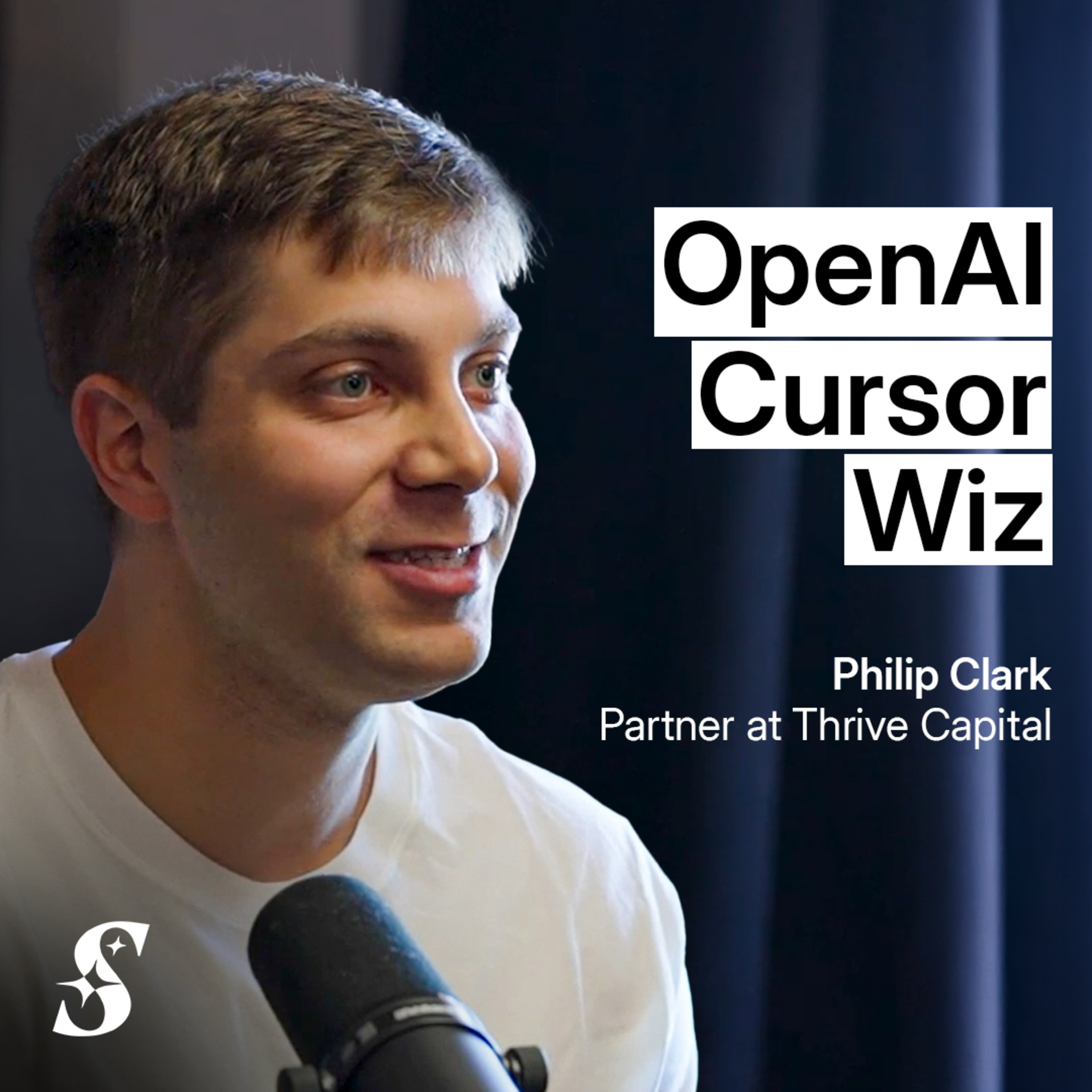
A VC recounts advising founders to accept a massive acquisition offer during a market bubble, but they refused. Prioritizing his 'people-first' philosophy, he supported their decision to continue building. This choice ultimately cost the company, investors, and employees a potential $25-30 billion outcome when the market later corrected, highlighting a major conflict between financial optimization and founder support.

Rather than trying to predict which founders will succeed, veteran investor Ariel Poler optimizes for personal growth and impact. His criteria: work with good people on interesting projects where he can learn and contribute. He accepts that many will fail, viewing the experience and relationships as valuable outcomes.

As an investor in companies like Liquid Death, Nick Tran prioritizes 'fun' projects where he can personally add value through brand building. His thesis is less about financial metrics and more about finding opportunities where a strong brand can create a competitive advantage, turning a commodity into a cultural icon.

It's easy for investors to write checks because they feel for a founder and want them to succeed. Gary Vaynerchuk calls this ineffective "charity work." A true investment must be detached from this "bleeding heart syndrome" and focus objectively on the operator's capabilities and the business thesis.
Seed investments made with founders where a prior relationship existed generate disproportionately higher returns. These 'proprietary' deals have lower volatility and better outcomes compared to 'shotgun marriages' formed during a highly competitive, fast-moving fundraising process with less diligence time.

The most potent source of new, truly cutting-edge investment opportunities isn't inbound emails or demo days, but rather the networks of the exceptional founders and scientists you've already backed. These individuals are at the frontier and can identify the next wave of talent.
![[REPLAY] Josh Wolfe – Seeing the Lux (Capital Allocators, EP.65) thumbnail](https://static.libsyn.com/p/assets/f/b/7/6/fb76e1c8bfb69e8dd959afa2a1bf1c87/CA_Square_logo_light_background_6.26.24.jpg)
The quality of the founder is the single most important variable. A great founder with a mediocre plan will outperform a mediocre founder with a great plan. The best investment strategy is to back exceptional people and give them leeway, as they will create upside that breaks all precedents.
